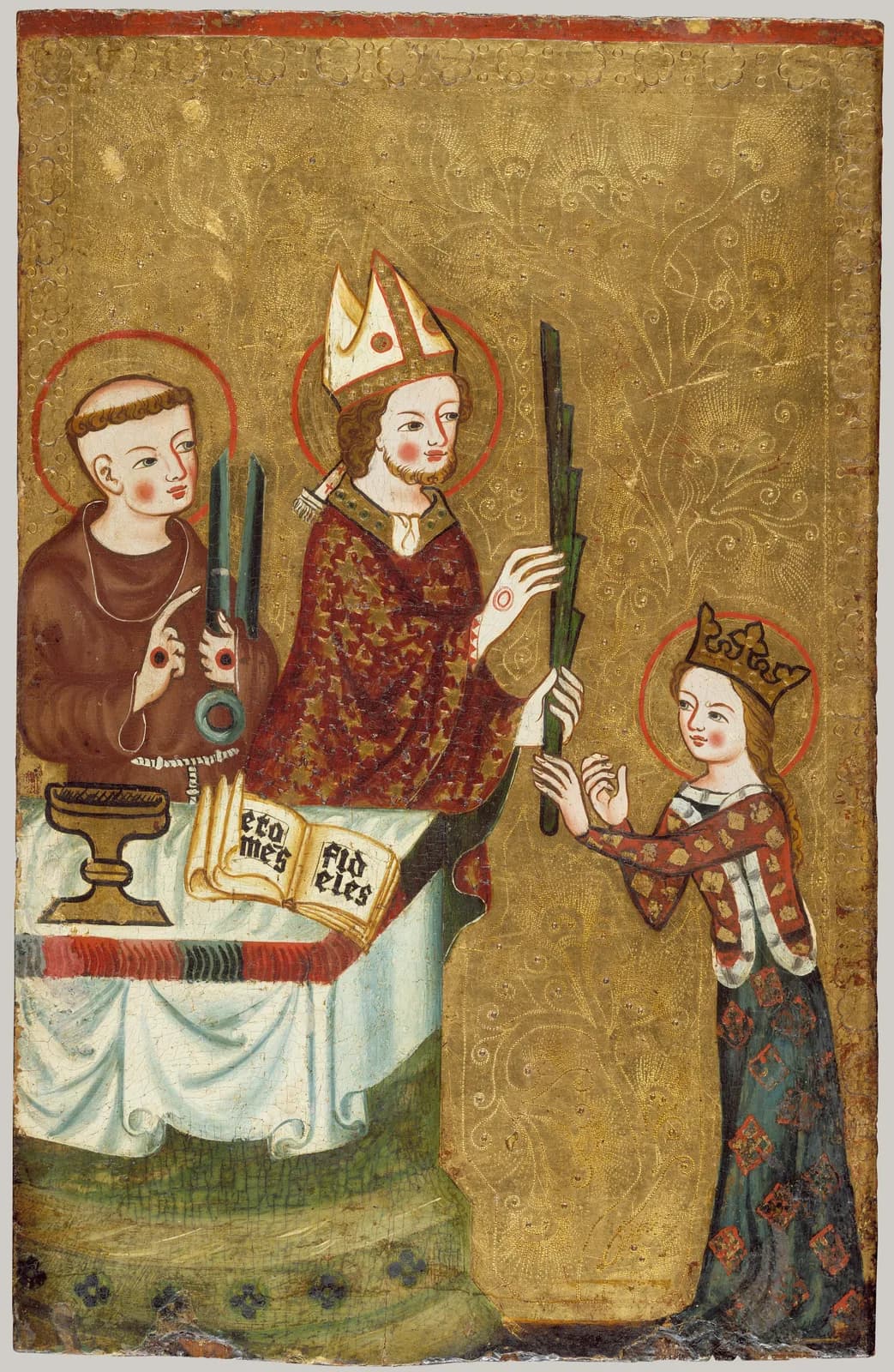
Palm Sunday
Holidays & seasons · Updated August 15, 2026
Overview
Palm Sunday was once celebrated with elaborate medieval pageants featuring live animals and entire towns participating in reenactments of Jesus' entry into Jerusalem. Grand processions highlighted the liturgical calendar in medieval Europe, showcasing the community's devotion and creativity. Participants would dress in costumes, and a local man would often play the role of Jesus, riding a donkey through the streets as townsfolk laid branches in his path, just as described in the Gospels. Vivid portrayals not only brought the biblical story to life but also fostered a sense of unity and shared faith among the participants.
Palm Sunday traces its roots back to the 4th century in Jerusalem, where early Christians began the tradition of commemorating Jesus' triumphant entry into the city. Pilgrims would gather to walk the path Jesus is believed to have taken, waving palm branches as they went. Over time, this practice spread to other parts of the Christian world, evolving into more theatrical forms during the Middle Ages. As these celebrations became more elaborate, they often involved the entire community, with clergy, townsfolk, and occasionally nobility all taking part. Live animals, particularly donkeys, became a staple, emphasizing the connection to the Gospel story.
Today, Palm Sunday continues to be an observance in the Christian calendar, marking the start of Holy Week. While the medieval pageantry has largely faded, many churches still hold processions and distribute blessed palm branches to congregants. In regions where palms are scarce, alternative branches like olive or willow are used, showing the adaptability of the tradition. This day remains a moment of reflection and celebration for Christians worldwide, keeping alive the memory of Jesus' entry into Jerusalem with rituals that have endured through the centuries.
Palm Sunday was once celebrated with elaborate medieval pageants featuring live animals and entire towns participating in reenactments of Jesus' entry into Jerusalem.
Why Fighting Over Palm Sunday Was a Big Deal
The struggle over Palm Sunday was more than a dispute about how to celebrate a single day. This conflict concerned authority and identity within the Christian community. The question was whether the centralized Roman Church or local bishops should dictate the liturgical calendar and practices. This reflected tensions between the desire for a unified Christian practice across Europe and the preservation of regional customs and autonomy. Communities wanted to express their faith in ways that matched their local cultures, while the Roman Church aimed to consolidate its power and ensure uniformity.
The Synod of Whitby in 664 AD became the setting for these tensions. King Oswiu of Northumbria convened the meeting to resolve disputes over the calculation of Easter and related practices, such as Palm Sunday celebrations. On one side stood the Roman Church, led by figures like Pope Gregory I, who argued for a standardized calendar to unify Christian practices. On the other side were local bishops, like Bishop Columbanus, who championed traditional local customs and interpretations. The Roman Church sought to strengthen its authority and bring consistency across Christendom. In contrast, local leaders aimed to preserve their cultural identity and maintain regional autonomy. A decision had to be made, and the Roman practices won the day, but local resistance persisted.
Despite the decision at Whitby, the conflict over Palm Sunday practices was never fully settled. Regional differences and the established roots of local traditions continued to challenge the centralized authority of the Roman Church. Communities maintained their unique ways of celebrating, often incorporating elements that reflected their specific cultural contexts. The persistence of local customs meant that the Roman Church's victory at Whitby did not produce complete uniformity. Diverse practices across Christian Europe continued to exist alongside centralized control, and this tension remained a part of church history in the centuries that followed.
Continue reading with a Scholar plan
Upgrade to ScholarCommon questions
- Why do Christians use palm branches on Palm Sunday?
- Christians use palm branches on Palm Sunday to symbolize the palm branches that were laid in front of Jesus as he entered Jerusalem, as described in the Gospels. This act represents victory, triumph, and peace.
- How is Palm Sunday connected to Easter?
- Palm Sunday marks the beginning of Holy Week, which leads up to Easter Sunday. It commemorates the start of the events that culminate in Jesus' crucifixion and resurrection, celebrated on Easter.
- What events in the Bible are commemorated on Palm Sunday?
- Palm Sunday commemorates the event of Jesus' entry into Jerusalem, where he was greeted by crowds waving palm branches and shouting 'Hosanna,' as described in the Gospels.
- What does Palm Sunday symbolize in Christianity?
- Palm Sunday symbolizes Jesus' triumphal entry into Jerusalem and the acknowledgment of him as the Messiah. It also represents themes of victory, peace, and the fulfillment of prophecy.
- How do different Christian denominations celebrate Palm Sunday?
- Different Christian denominations celebrate Palm Sunday with processions, the distribution of palm branches, and special church services. While the core elements are similar, specific customs and liturgical practices may vary.
- What are traditional Palm Sunday hymns and prayers?
- Traditional Palm Sunday hymns often include 'All Glory, Laud, and Honor' and 'Hosanna, Loud Hosanna.' Prayers focus on themes of praise, thanksgiving, and reflection on Jesus' journey to the cross.
- Why is Palm Sunday sometimes called Passion Sunday?
- Palm Sunday is sometimes called Passion Sunday because it marks the beginning of Holy Week, which focuses on the Passion of Christ—his suffering and crucifixion. The day transitions from the joy of Jesus' entry into Jerusalem to the somber events of his Passion.
- What is the significance of Palm Sunday in Holy Week?
- Palm Sunday is significant in Holy Week as it initiates the final week of Lent, leading up to Easter. It sets the stage for the events of Jesus' Passion, including his crucifixion and resurrection.
- How did Palm Sunday get its name?
- Palm Sunday gets its name from the palm branches that were laid in Jesus' path as he entered Jerusalem, as described in the Gospels. These branches are central to the day's observance.
- What are common Palm Sunday traditions around the world?
- Common Palm Sunday traditions include processions with palm branches, special church services, and the blessing of palms. In areas where palms are not available, other branches like olive or willow may be used.
- What does the palm branch represent in Christian symbolism?
- In Christian symbolism, the palm branch represents victory, triumph, peace, and eternal life. It is associated with Jesus' victory over death and his acknowledgment as the Messiah.
- How is Palm Sunday observed in the Catholic Church?
- In the Catholic Church, Palm Sunday is observed with a procession, the blessing of palm branches, and a special Mass that includes the reading of the Passion narrative. It marks the beginning of Holy Week.
- Why is Palm Sunday important to Christians?
- Palm Sunday is important to Christians as it commemorates Jesus' entry into Jerusalem, a key event in the narrative of his Passion. It marks the start of Holy Week, leading to the celebration of Easter.
- What role does Palm Sunday play in the liturgical calendar?
- Palm Sunday plays a crucial role in the liturgical calendar as it marks the beginning of Holy Week, the most solemn week in Christianity. It sets the stage for the commemoration of Jesus' Passion, death, and resurrection.