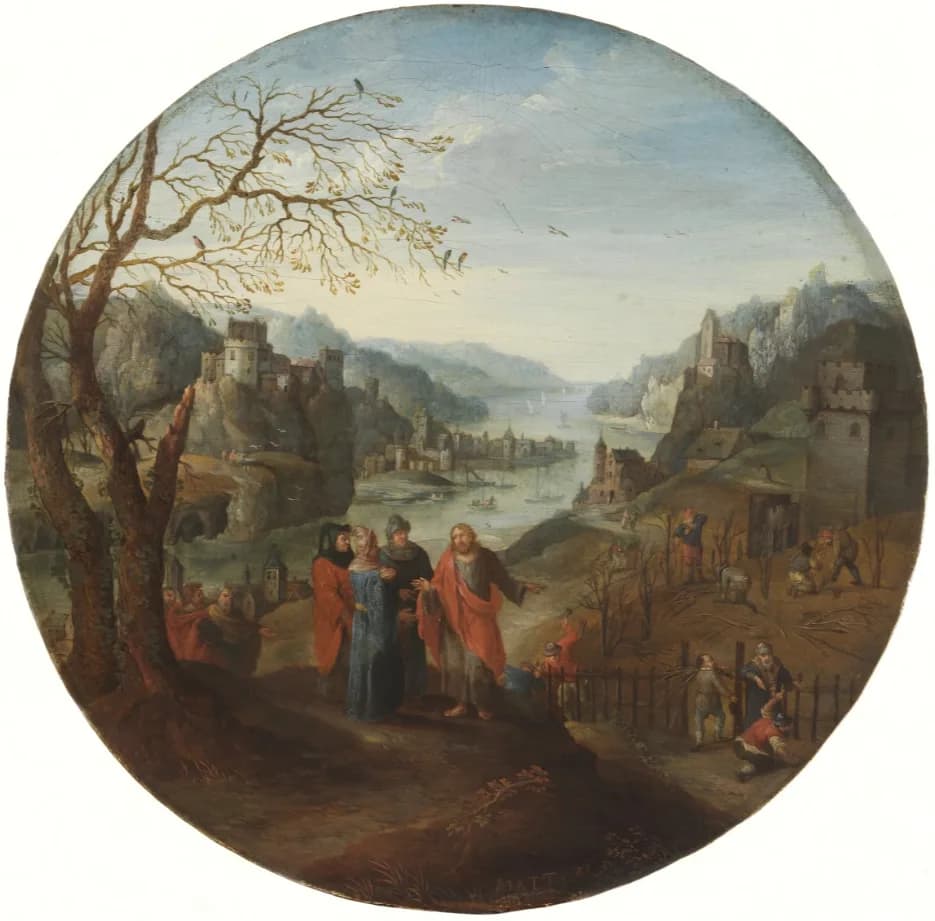
Luke 13:6-9 · Luke · Updated April 30, 2026
Barren Fig Tree
In this parable, a fig tree that has borne no fruit for three years is spared from being cut down after the vinedresser pleads for one more year to cultivate it.
Summary
The parable of the Barren Fig Tree, found in Luke 13:6-9, unfolds in a vineyard where a fig tree has failed to produce fruit for three consecutive years. The owner, frustrated by the lack of productivity, commands the vinedresser to cut the tree down (13:7). This initial scene sets the stage for a tension between judgment and mercy. The vinedresser, however, intercedes on behalf of the tree, requesting an additional year to cultivate and fertilize it, hoping for a change in its fruitfulness (13:8). This plea introduces a period of grace, a chance for repentance and growth. The parable concludes with a conditional statement: if the tree bears fruit after this period, it will be spared; if not, it will be cut down (13:9). This narrative structure highlights the themes of patience, intercession, and the urgency of repentance. Each character plays a pivotal role: the owner represents divine judgment, while the vinedresser embodies mercy and hope for transformation.
Chiastic structure
ⓘ13:6
“A certain man had a fig tree planted in his vineyard; and he came and sought fruit thereon, and found none.”
13:7
“Behold, these three years I come seeking fruit on this fig tree, and find none: cut it down;”
13:8
“Lord, let it alone this year also, till I shall dig about it, and dung it:”
13:9
“And if it bear fruit, well: and if not, then after that thou shalt cut it down.”
13:9
“If it bear fruit, well:”
A and A' share the theme of judgment and potential destruction.
Interpretation and theological stakes
Continue reading with a Scholar plan
Upgrade to Scholar