Matthew 21:12-17 · Matthew

Cleansing the Temple

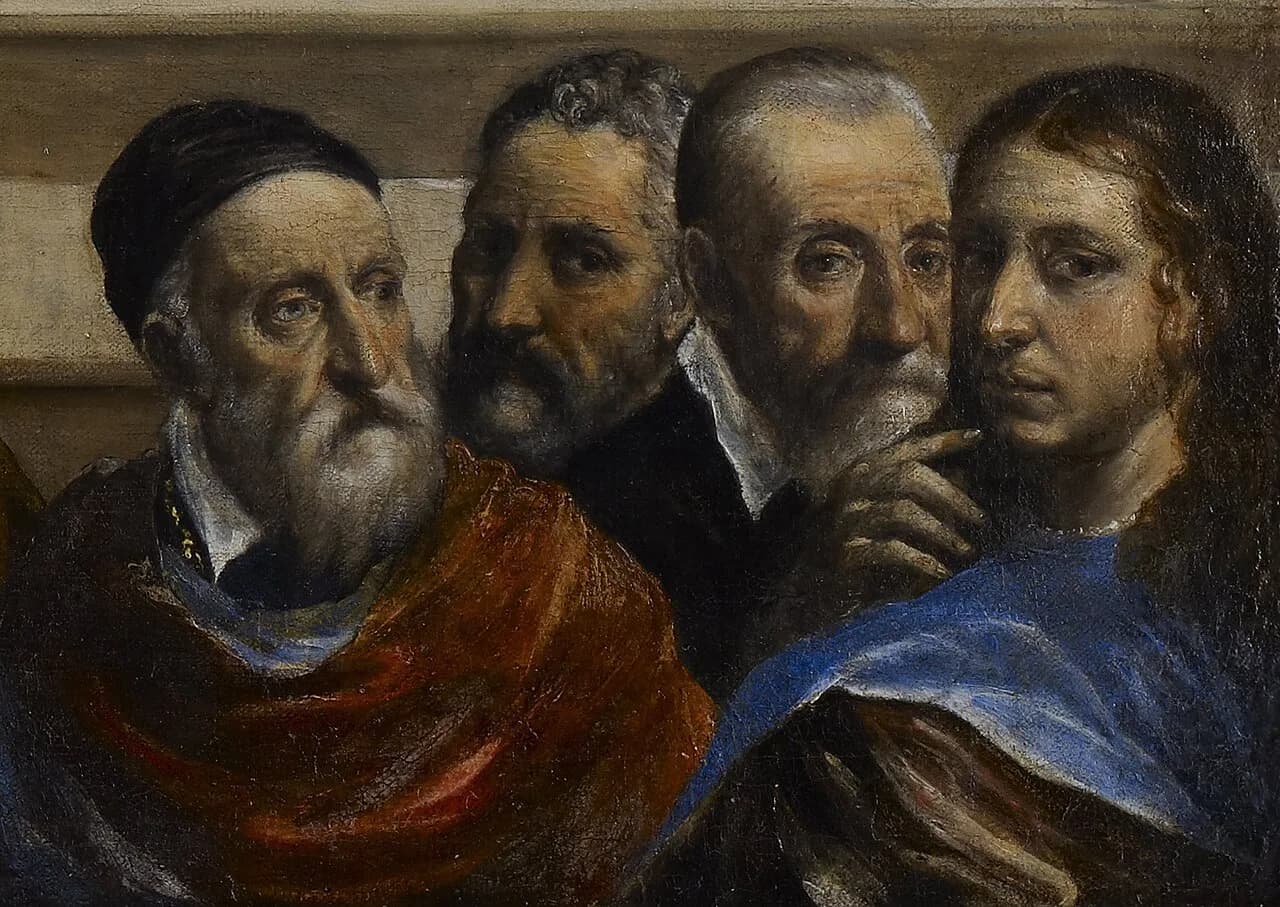
Jesus enters the temple and drives out those buying and selling, overturning the tables of the moneychangers and the seats of those selling doves. He declares the temple a house of prayer, heals the blind and lame, and responds to the displeasure of the chief priests and scribes regarding the children's praises. He then leaves for Bethany.

Summary

This passage from Matthew 21:12-17 describes an event where Jesus enters the temple in Jerusalem and takes significant action against those conducting commerce there. It is important because it depicts Jesus asserting authority over the temple's sanctity. The scene opens with Jesus arriving at the temple and finding it filled with people buying and selling goods, specifically moneychangers and those selling doves. This setting is crucial as it provides the backdrop for Jesus' subsequent actions.

Upon entering the temple, Jesus begins to drive out all those who are buying and selling. He overturns the tables of the moneychangers and the seats of those selling doves, declaring that the temple should be a house of prayer, not a den of thieves (21:12-13). Following this, the blind and the lame come to Jesus in the temple, and he heals them (21:14). Meanwhile, children in the temple shout praises, saying, "Hosanna to the Son of David," which upsets the chief priests and scribes who witness these events (21:15).

The passage concludes with the chief priests and scribes questioning Jesus about the children's praises. Jesus responds by referencing scripture, implying that the praise from the children is fitting (21:16). After this exchange, Jesus leaves the temple and goes to Bethany, where he stays for the night (21:17). The passage establishes that Jesus' actions and the children's praises are a fulfillment of what is written, emphasizing the divine approval of Jesus' authority and actions in the temple.

Chiastic structure

A

Matthew 21:12-13

And Jesus went into the temple of God, and cast out all them that sold and bought... My house shall be called the house of prayer; but ye have made it a den of thieves.

B

Matthew 21:14-16

And the blind and the lame came to him in the temple; and he healed them... Out of the mouth of babes and sucklings thou hast perfected praise.

A'

Matthew 21:17

And he left them, and went out of the city into Bethany; and he lodged there.

A and A' both involve Jesus' actions and authority in the temple, with A focusing on cleansing and A' on leaving after asserting his authority.

Interpretation and theological stakes

The passage primarily highlights Jesus' assertion of divine authority over the temple. By driving out the merchants and moneychangers, He restores the temple's intended purpose as a house of prayer (21:13). This act not only cleanses the temple physically but also symbolically purifies it, drawing a sharp contrast between the commercial activities taking place and the spiritual sanctity the temple should embody. The subsequent healing of the blind and the lame (21:14) further underscores the temple's role as a place of divine interaction and mercy. This scene establishes Jesus as a figure of authority who challenges existing practices in the temple and emphasizes a return to genuine worship.

The Catholic interpretation sees Jesus' actions as a restoration of the temple's sanctity. According to this view, Jesus' cleansing of the temple is an act of reverence for a holy space that had been desecrated by commercialism. The focus is on the temple as a physical structure that requires purification to serve its true purpose as a house of prayer (21:13). This perspective is driven by the emphasis Jesus places on the temple's holiness and the need to remove elements that corrupt its sacred function. The physical act of driving out the merchants and moneychangers is seen as a necessary step to restore the temple's proper role in the community's spiritual life.

The Reformed Protestant interpretation, on the other hand, sees Jesus' actions as a symbolic rejection of corrupt religious practices. This reading emphasizes the moral and spiritual corruption that Jesus challenges, rather than focusing solely on the physical space of the temple. The moneychangers and merchants represent a broader system of exploitation and hypocrisy within the religious establishment. Jesus' actions are thus seen as a critique of the way religion had become intertwined with unethical practices. This interpretation finds its basis in Jesus' condemnation of the temple as a "den of thieves" (21:13), suggesting a deeper moral failing that goes beyond the mere presence of commerce.

These interpretations together highlight the complex nature of Jesus' actions in the temple. While the Catholic view focuses on the restoration of physical sanctity, the Reformed Protestant perspective draws attention to the broader critique of religious corruption. Both readings underscore the importance of aligning religious practice with genuine worship and ethical integrity. Ultimately, the passage challenges readers to consider both the physical and moral dimensions of faith, urging a return to authentic devotion and a rejection of practices that compromise the sacred.

Continue reading with a Scholar plan

Upgrade to Scholar