Matthew 2:13-23 · Matthew · Updated April 25, 2026
Flight to Egypt
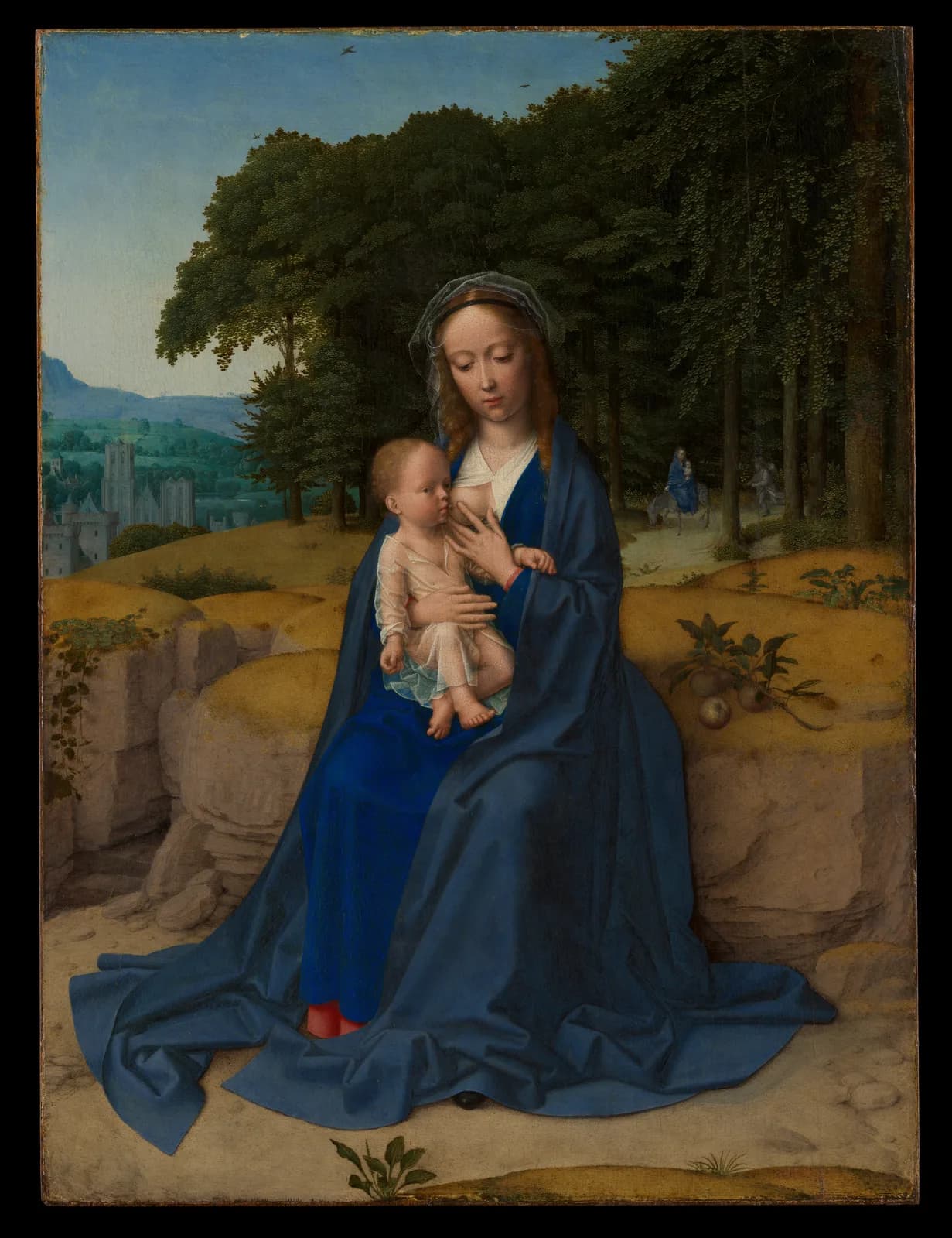
Joseph is warned by an angel in a dream to flee to Egypt with Mary and Jesus to escape King Herod's plan to kill the child. After Herod's death, Joseph is instructed to return to Israel, but he settles in Nazareth due to the reign of Archelaus in Judea.
Summary
This passage from the Gospel of Matthew recounts the early life of Jesus and the divine guidance that protected him from danger. The main characters are Joseph, Mary, Jesus, King Herod, Herod's son Archelaus, and an angel of the Lord. Prior to this passage, wise men from the East visited Jesus in Bethlehem, prompting King Herod to feel threatened by the birth of a new "king of the Jews." The passage begins with an angel appearing to Joseph in a dream, instructing him to take Mary and Jesus and flee to Egypt to escape Herod's plan to kill Jesus (Matthew 2:13).
Joseph immediately obeys the angel's command. He takes Mary and Jesus and departs for Egypt under the cover of night (Matthew 2:14). They remain in Egypt until Herod's death, fulfilling a prophecy that said, "Out of Egypt have I called my son" (Matthew 2:15). After Herod dies, an angel again appears to Joseph in a dream, telling him it is safe to return to Israel because those who sought Jesus's life are dead (Matthew 2:19-20). However, upon learning that Herod's son Archelaus is ruling in Judea, Joseph fears returning there. Warned in another dream, he decides to settle in Galilee, specifically in the town of Nazareth (Matthew 2:22).
The passage concludes with Joseph, Mary, and Jesus establishing their home in Nazareth. This final move fulfills another prophetic statement, that Jesus "shall be called a Nazarene" (Matthew 2:23). The passage establishes the divine protection over Jesus and the fulfillment of prophecies concerning his early life.
Chiastic structure
ⓘMatthew 2:13-14
“the angel of the Lord appeareth to Joseph in a dream, saying, Arise, and take the young child and his mother, and flee into Egypt”
Matthew 2:15
“that it might be fulfilled which was spoken of the Lord by the prophet, saying, Out of Egypt have I called my son”
Matthew 2:19-20
“an angel of the Lord appeareth in a dream to Joseph in Egypt, Saying, Arise, and take the young child and his mother, and go into the land of Israel”
Both A and A' involve divine instruction through dreams to Joseph, emphasizing God's guidance and protection for Jesus.
Interpretation and theological stakes
Continue reading with a Scholar plan
Upgrade to Scholar