Luke 11:5-8 · Luke · Updated April 30, 2026
Friend at Midnight
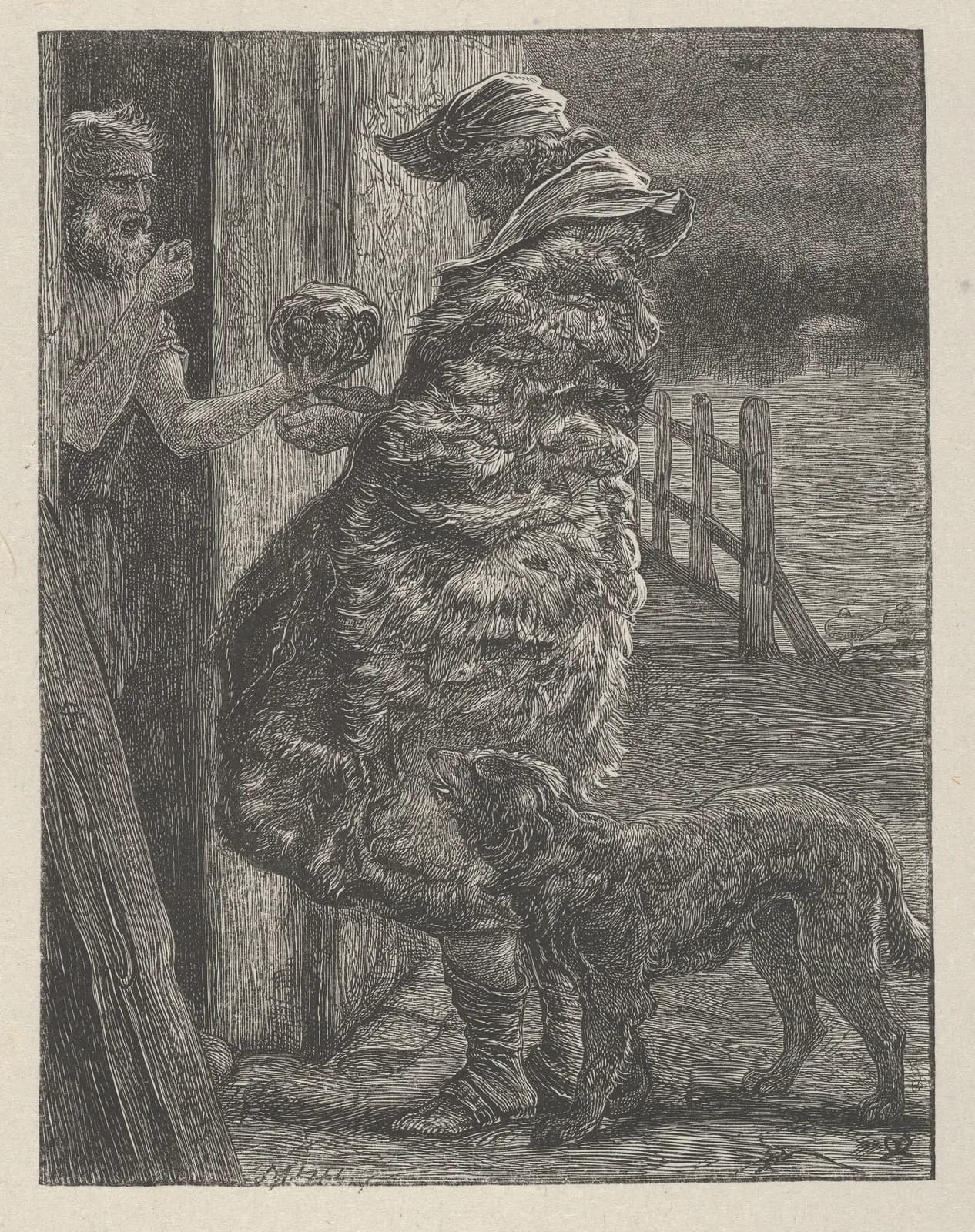
A man requests bread from a friend at midnight to host an unexpected guest, and though initially refused, his persistence leads to success.
Summary
The parable of the Friend at Midnight (Luke 11:5-8) unfolds in a typical Palestinian village setting, where communal living and social obligations are paramount. In verse 5, Jesus introduces a scenario where a man approaches his friend at midnight, a time when households are typically settled for the night. The request is for three loaves of bread, a modest yet urgent need, as another friend has arrived unexpectedly. This reflects the cultural emphasis on hospitality, a sacred duty in ancient Palestine. Verse 6 elaborates on the urgency of the request, highlighting the man's predicament of having nothing to offer his guest. The friend inside, however, initially refuses in verse 7, citing practical reasons: the door is shut, and his children are in bed with him. This response underscores the inconvenience and potential disturbance to the household. Yet, verse 8 reveals a turning point: the man inside eventually relents, not out of friendship, but due to the petitioner's 'importunity' — a term that can be interpreted as persistence or shamelessness. This persistence breaks through the initial reluctance, illustrating a key theme of the parable: the power of persistent appeal. The narrative, while simple, is rich in cultural and theological implications, setting the stage for a deeper exploration of prayer and divine responsiveness.
Chiastic structure
ⓘLuke 11:5
“Which of you shall have a friend, and shall go unto him at midnight, and say unto him, Friend, lend me three loaves;”
Luke 11:6
“For a friend of mine in his journey is come to me, and I have nothing to set before him?”
Luke 11:7
“And he from within shall answer and say, Trouble me not: the door is now shut, and my children are with me in bed; I cannot rise and give thee.”
Luke 11:8
“Yet because of his importunity he will rise and give him as many as he needeth.”
Luke 11:8
“He will rise and give him as many as he needeth.”
A and A' both involve the initial request and final provision of bread.
Interpretation and theological stakes
Continue reading with a Scholar plan
Upgrade to Scholar