1 Corinthians 11:17-34 · 1 Corinthians · Updated April 25, 2026
Lord's Supper Teaching
Paul addresses the Corinthians regarding their improper conduct during the Lord's Supper. He recounts the tradition of the Lord's Supper as instituted by Jesus and warns against partaking in an unworthy manner. Paul advises self-examination and consideration for others to avoid judgment.
Summary
Paul's teaching in 1 Corinthians 11:17-34 addresses the conduct of the Corinthian church regarding the Lord's Supper. He writes to the early Christian community in Corinth, expressing concern over their gatherings, which he criticizes for causing harm rather than good (11:17). Divisions and inappropriate behavior are present during their communal meals, which should be a time for celebrating the Lord's Supper. Instead of coming together for this sacred purpose, some members are eating their own meals separately, leaving others hungry and some even getting drunk (11:20-21). Paul questions their disregard for each other and the church, emphasizing that their behavior is not praiseworthy (11:22).
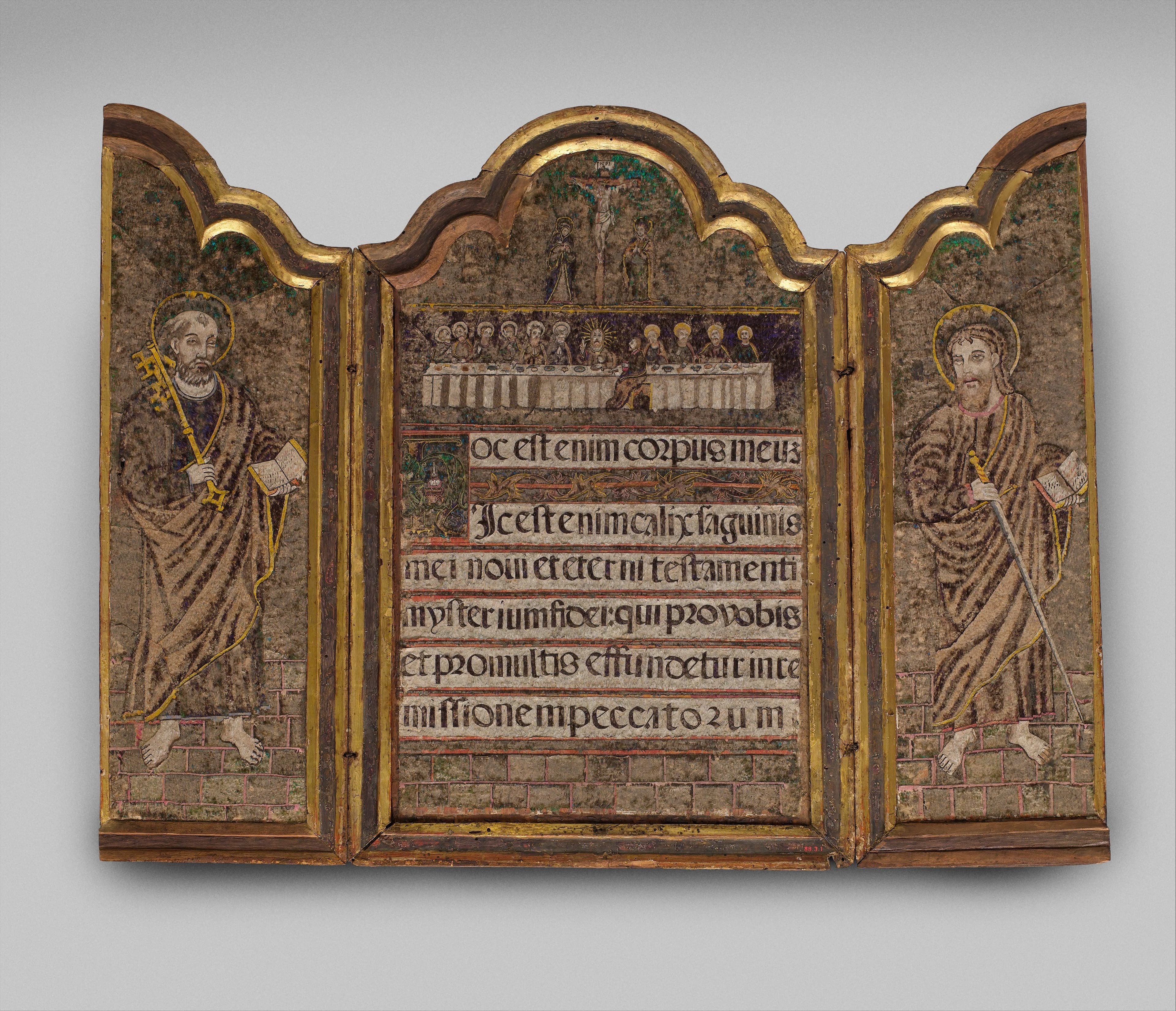
Paul recounts the tradition of the Lord's Supper as he received it from the Lord Jesus. Jesus, on the night he was betrayed, took bread, gave thanks, broke it, and said it was his body given for them, instructing them to eat in remembrance of him (11:23-24). Similarly, Jesus took the cup, saying it was the New Covenant in his blood, to be drunk in remembrance of him (11:25). Eating the bread and drinking the cup proclaim the Lord's death until he returns (11:26). Paul warns that anyone who partakes in the Lord's Supper in an unworthy manner is guilty of sinning against the body and blood of the Lord (11:27). Therefore, each person must examine themselves before participating, as unworthy participation brings judgment upon themselves (11:28-29).
Paul advises the Corinthians to wait for one another when they gather to eat, ensuring that everyone partakes together (11:33). He instructs those who are hungry to eat at home to avoid coming together for judgment (11:34). Paul states that he will address other matters when he visits them. The passage establishes the importance of self-examination and communal unity when observing the Lord's Supper, emphasizing the seriousness of the occasion and the need for reverence and respect. The primary conclusion drawn from 1 Corinthians 11:17-34 is that the manner in which the Corinthian church is practicing the Lord's Supper is flawed and contrary to its intended purpose. Paul criticizes the community for turning what should be a sacred act of unity into one of division and self-indulgence (11:17-22). By not waiting for one another and allowing some to go hungry while others overindulge, the Corinthians are failing to honor the communal and commemorative aspects of the Lord's Supper. This behavior not only undermines the significance of the practice but also invites judgment upon themselves (11:29). Paul's emphasis is on the need for self-examination and unity, ensuring that the act reflects its true purpose of remembering Christ's sacrifice and proclaiming his death until he returns (11:26).
Chiastic structure
ⓘ1 Corinthians 11:17-22
“Now in this that I declare I praise you not, that ye come together not for the better, but for the worse... What shall I say to you? shall I praise you in this? I praise you not.”
1 Corinthians 11:23-26
“For I have received of the Lord that which also I delivered unto you... this do in remembrance of me.”
1 Corinthians 11:27-34
“Wherefore, my brethren, when ye come together to eat, tarry one for another... that ye come not together unto condemnation.”
Both A and A' address the improper behavior and the need for proper conduct when coming together for the Lord's Supper.
Interpretation and theological stakes
Continue reading with a Scholar plan
Upgrade to Scholar