Revelation 19:6-10 · Revelation · Updated April 25, 2026
Marriage Supper of the Lamb
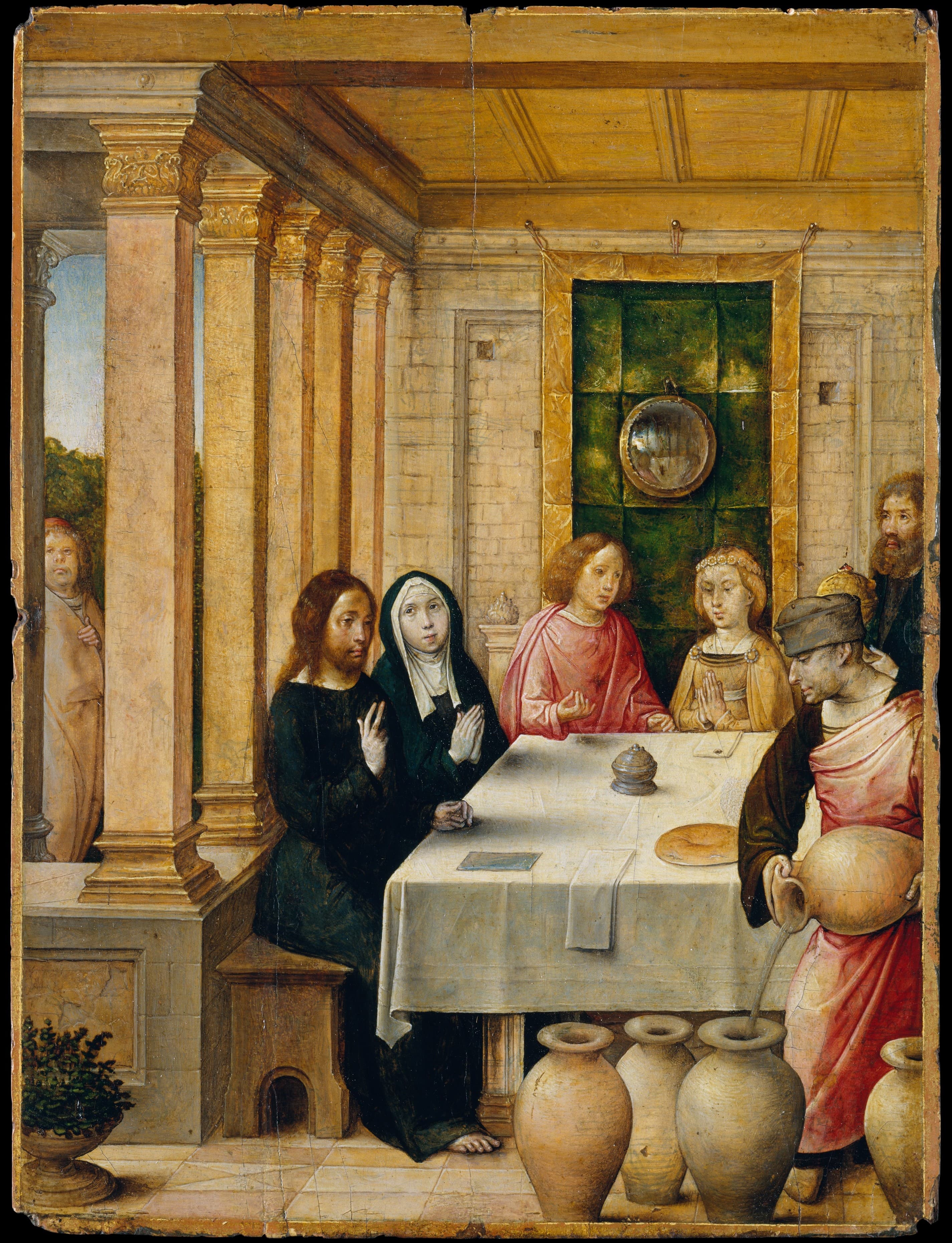
John hears a great multitude praising God, celebrating the reign of the Lord. The marriage of the Lamb is announced, and the bride is prepared in fine linen. John is told to write that those invited to the marriage supper of the Lamb are blessed, and he is reminded to worship God alone.
Summary
The passage from Revelation 19:6-10 is part of a vision experienced by John, a follower of Jesus, around 95 AD. John hears a powerful sound, like a Great Multitude, rushing waters, and mighty thunder, praising God. This introduces an event known as the Marriage Supper of the Lamb. The Lamb refers to Jesus, and the passage emphasizes this celebration in the heavenly realm.
As the passage unfolds, the multitude calls for rejoicing and giving honor to God, for the Marriage of the Lamb has arrived, and the bride has prepared herself (19:7). The bride is dressed in fine linen, described as clean and white, symbolizing the righteousness of the saints (19:8). John is instructed to write down a blessing for those invited to the Marriage Supper of the Lamb, affirming the truth of God's words (19:9).
The passage concludes with John attempting to worship the speaker, who stops him, identifying himself as a fellow servant and urging John to worship God instead (19:10). The speaker emphasizes that the testimony of Jesus is the spirit of prophecy. The final state of affairs is one of anticipation and reverence, with the focus on worshiping God and acknowledging Jesus' testimony. The passage from Revelation 19:6-10 establishes a moment of cosmic celebration and divine fulfillment. It announces the marriage supper of the Lamb, symbolizing a union between Jesus (the Lamb) and his followers. This event culminates divine plans, with the righteous adorned in fine linen, representing their purity and readiness (19:8). The passage emphasizes worship of God and the truth of Jesus' testimony, indicating that this event is not just a joyous occasion but a prophetic fulfillment of God's promises. The multitude's praise underscores the sovereignty of God, signaling that these events are ordained in the heavenly realm.
Chiastic structure
ⓘRevelation 19:6
“Alleluia: for the Lord God omnipotent reigneth.”
Revelation 19:9
“Blessed are they which are called unto the marriage supper of the Lamb.”
Revelation 19:10
“Worship God: for the testimony of Jesus is the spirit of prophecy.”
Both A and A' involve worship and the acknowledgment of God's sovereignty and the testimony of Jesus.
Interpretation and theological stakes
Continue reading with a Scholar plan
Upgrade to Scholar