Luke 16:1-13 · Luke · Updated April 30, 2026
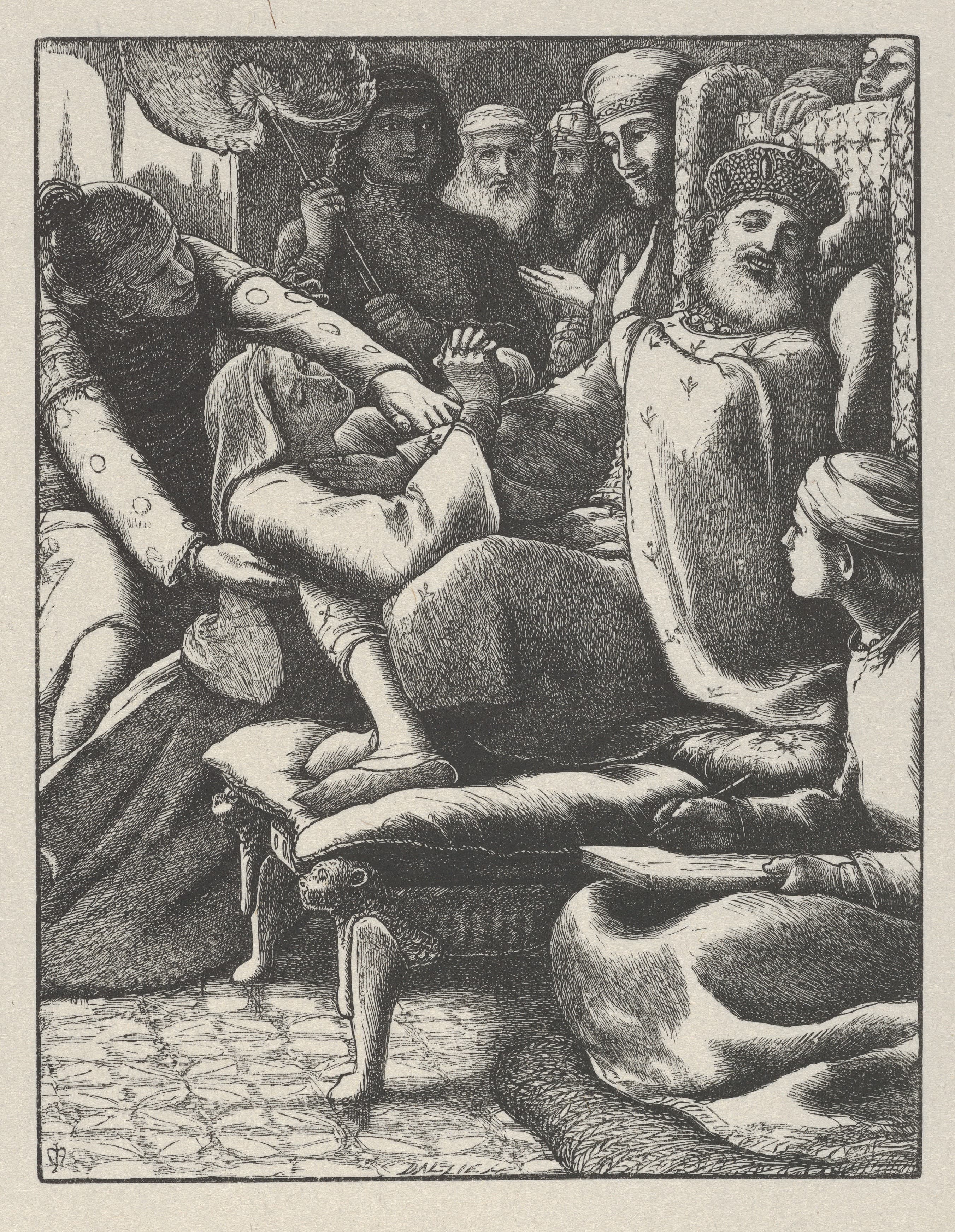
Parable of the Dishonest Manager
A manager, facing dismissal for wasting his master's goods, reduces the debts of his master's debtors to secure future favor. His master commends his shrewdness, leading to reflections on wealth and service.
Summary
The parable of the Dishonest Manager, found in Luke 16:1-13, presents a narrative rich with complexity and moral ambiguity. It begins with a rich man who learns that his steward has been wasting his goods (16:1-2). Faced with dismissal, the steward devises a plan to secure his future. He calls his master's debtors and reduces their debts, hoping to gain their favor (16:3-7). Surprisingly, the master commends the steward for his shrewdness, not his dishonesty, which raises questions about the moral lesson of the parable (16:8). Jesus uses this story to illustrate the shrewdness of 'the children of this world' compared to 'the children of light' (16:8). The narrative concludes with a series of teachings on the use of wealth, faithfulness in small matters, and the impossibility of serving both God and mammon (16:9-13). This parable challenges readers to consider the relationship between worldly wealth and spiritual priorities, urging a wise and discerning approach to both.
Chiastic structure
ⓘ16:1-2
“There was a certain rich man, which had a steward; and the same was accused unto him that he had wasted his goods.”
16:3-4
“Then the steward said within himself, What shall I do? for my lord taketh away from me the stewardship...”
16:5-7
“So he called every one of his lord's debtors unto him, and said unto the first, How much owest thou unto my lord?”
16:8-9
“And the lord commended the unjust steward, because he had done wisely...”
16:13
“No servant can serve two masters...”
Both A and A' discuss the impossibility of serving two masters.
Interpretation and theological stakes
Continue reading with a Scholar plan
Upgrade to Scholar