Acts 17:22-34 · Acts · Updated April 25, 2026
Paul's Areopagus Speech
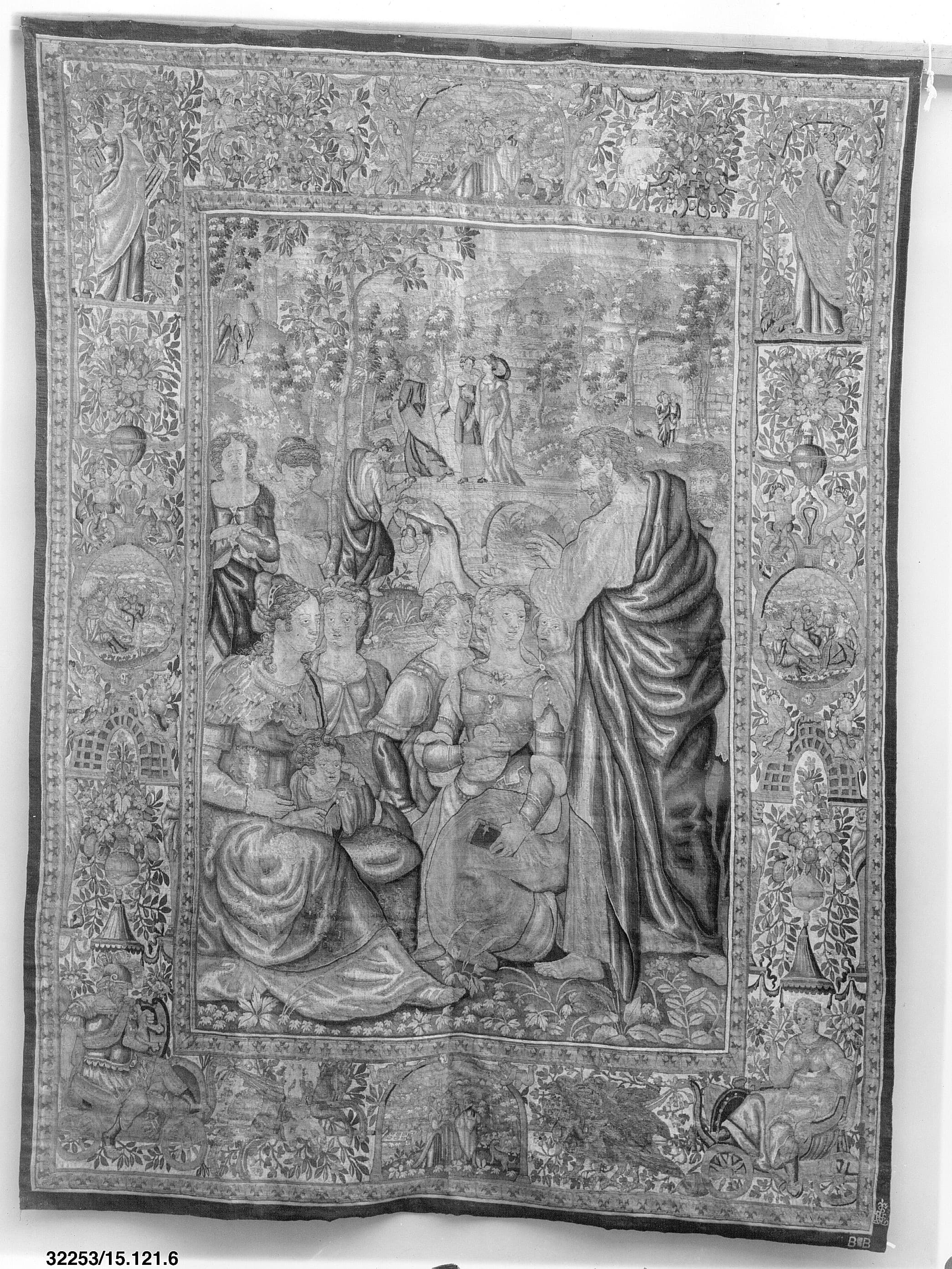
Paul addresses the men of Athens at Mars' Hill, pointing out their worship of an 'unknown god' and declaring the true God who created the world. He calls them to repent as God has appointed a day of judgment through a man He raised from the dead. Some mock, others are intrigued, and a few, including Dionysius and Damaris, believe.
Summary
Paul's Areopagus speech in Acts 17:22-34 marks a moment where the Apostle Paul addresses the intellectuals of Athens. Mars' Hill serves as the location for philosophical discussions. Paul arrives in Athens after feeling distressed by the city's idolatry. He engages with local philosophers, leading to an invitation to speak at the Areopagus. Paul stands in the midst of Mars' Hill, addressing the men of Athens and commenting on their religious practices (17:22).
Paul begins by noting the Athenians' religiosity and mentions an altar inscribed with "TO THE UNKNOWN GOD" (17:23). He uses this as a starting point to declare the God he serves, who created the world and does not dwell in man-made temples (17:24). Paul explains that God gives life to all and does not require human service, emphasizing that God is close to everyone (17:25-27). He cites their own poets, affirming that all people are God's offspring (17:28). Paul argues that, as God's offspring, they should not think of the divine as an idol made of gold or stone (17:29). He calls for repentance, stating that God will judge the world through a man he has appointed, providing proof by raising him from the dead (17:30-31).
The speech concludes with mixed reactions from the audience. Some mock the idea of resurrection, while others express interest in hearing more (17:32). Paul then departs from the gathering (17:33). However, the passage notes that a few individuals, including Dionysius the Areopagite and a woman named Damaris, believe and join Paul (17:34). The passage shows the varied responses to Paul's message, establishing that while some were skeptical, others were convinced and became followers. Paul's Areopagus speech in Acts 17:22-34 establishes a key theological point about the nature of God and His relationship with humanity. The passage presents God's transcendence over human-made idols and His closeness to all people. Paul addresses the Athenians' religious practices, using their altar to an "unknown god" as a bridge to introduce the God who created everything and does not reside in temples made by human hands (17:23-24). This speech matters because it challenges the prevailing Greek notions of deity and idolatry, presenting a God who is both creator and sustainer, requiring neither temples nor human service (17:25). The speech's conclusion, with mixed reactions from the audience, shows the varied responses to this radical theological claim. Some are skeptical, while others are intrigued or convinced, showing the diverse impact of Paul's message.
Chiastic structure
ⓘActs 17:22-23
“Men of Athens, I perceive that in all things ye are too superstitious... Whom therefore ye ignorantly worship, him declare I unto you.”
Acts 17:30-31
“And the times of this ignorance God winked at; but now commandeth all men every where to repent... he hath raised him from the dead.”
Acts 17:32-34
“And when they heard of the resurrection of the dead, some mocked... Howbeit certain men clave unto him, and believed.”
A and A' both address the Athenians' ignorance and the need for true understanding of God, contrasting their previous beliefs with the revelation of the true God.
Interpretation and theological stakes
Continue reading with a Scholar plan
Upgrade to Scholar