Revelation 22:1-5 · Revelation

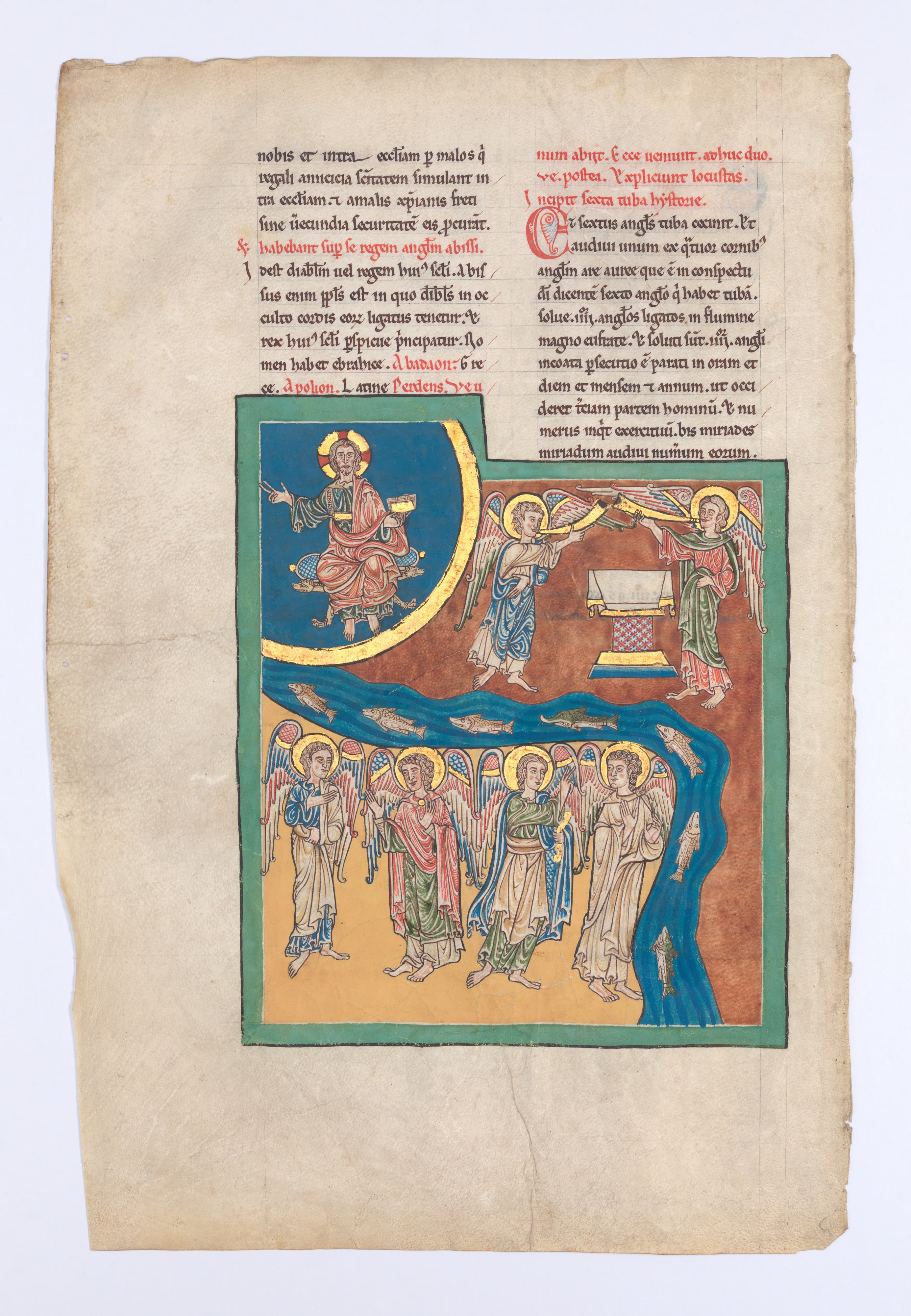
River of Life

An angel shows John a pure river of the water of life, flowing from the throne of God and the Lamb. On either side of the river is the tree of life, bearing twelve kinds of fruit and leaves for the healing of nations. There is no more curse, and God's servants serve Him, seeing His face and bearing His name on their foreheads.

Summary

This passage from Revelation 22:1-5 is part of John's vision of the New Jerusalem, a depiction of the ultimate future for believers. It matters because it presents a vivid image of eternal life and divine presence. The passage opens with John being shown a river of the water of life. This river is described as pure and clear as crystal, flowing from the throne of God and the Lamb (22:1).

As the vision continues, John observes the tree of life situated on either side of the river. This tree produces twelve kinds of fruit, yielding a new crop each month. Its leaves are said to be for the healing of the nations (22:2). The passage notes that no curse will exist there anymore. The throne of God and the Lamb will be present, and their servants will serve them (22:3). Importantly, these servants will see God's face, and His name will be on their foreheads (22:4).

The passage concludes with the description of a place where there is no night and no need for artificial light or the sun, as the Lord God provides light. This eternal state is marked by the reign of God’s people forever and ever (22:5). The passage itself establishes a vision of a perfect, eternal communion with God, free from darkness and filled with divine light.

Chiastic structure

A

Revelation 22:1

a pure river of water of life, clear as crystal, proceeding out of the throne of God and of the Lamb

B

Revelation 22:3

the throne of God and of the Lamb shall be in it; and his servants shall serve him

A'

Revelation 22:5

there shall be no night there; and they need no candle, neither light of the sun; for the Lord God giveth them light

Both A and A' describe the divine provision and eternal reign, emphasizing the life and light given by God.

Interpretation and theological stakes

The primary conclusion drawn from Revelation 22:1-5 is the establishment of an eternal state where God and humanity are in perfect communion. The passage depicts a setting where divine presence is central, with no separation between God and His people. The river of life, the tree of life, and the absence of night highlight a state of continuous sustenance and illumination from God. This eternal communion signifies the fulfillment of God’s promises, as His servants serve Him face-to-face and reign forever in an environment free from the curse of sin.

The Catholic interpretation centers on the river of life as a symbol of grace and divine sustenance flowing from God and the Lamb. In Revelation 22:1, the river’s purity and its source from the divine throne underscore the untainted and life-giving quality of God's grace. This view emphasizes the river as a continuous outpouring of spiritual life that nourishes believers, reflecting the essential Catholic belief in grace as the medium through which God sustains and sanctifies His people. The clear, crystal-like nature of the river suggests transparency and purity, reinforcing the idea of grace as a perfect gift from God.

In contrast, the Reformed Protestant tradition focuses on the tree of life as a symbol of restoration and eternal life provided to God’s people. Revelation 22:2, which describes the tree bearing twelve kinds of fruit and yielding a crop each month, is seen as a representation of the abundance and renewal that comes with God's promise of eternal life. The healing of nations through the tree's leaves signifies restoration not just of individuals, but of all creation. This perspective highlights God's plan to restore the world through Christ, making eternal life accessible and ensuring that the effects of sin are completely undone.

Considering both interpretations, the passage suggests a holistic vision of eternal life where God's grace and the promise of restoration work together in perfect harmony. The river and the tree together paint a picture of unending sustenance and renewal, emphasizing that eternal life is both a gift of grace and a fulfillment of God’s restorative promises. This dual perspective underscores the completeness of God’s plan for humanity, where believers are not only nourished by grace but also participate in the renewal of creation, living forever in a state of divine light and communion.

Continue reading with a Scholar plan

Upgrade to Scholar