1 Kings 3:5-14 · 1 Kings · Updated April 25, 2026
Solomon's Wisdom Request
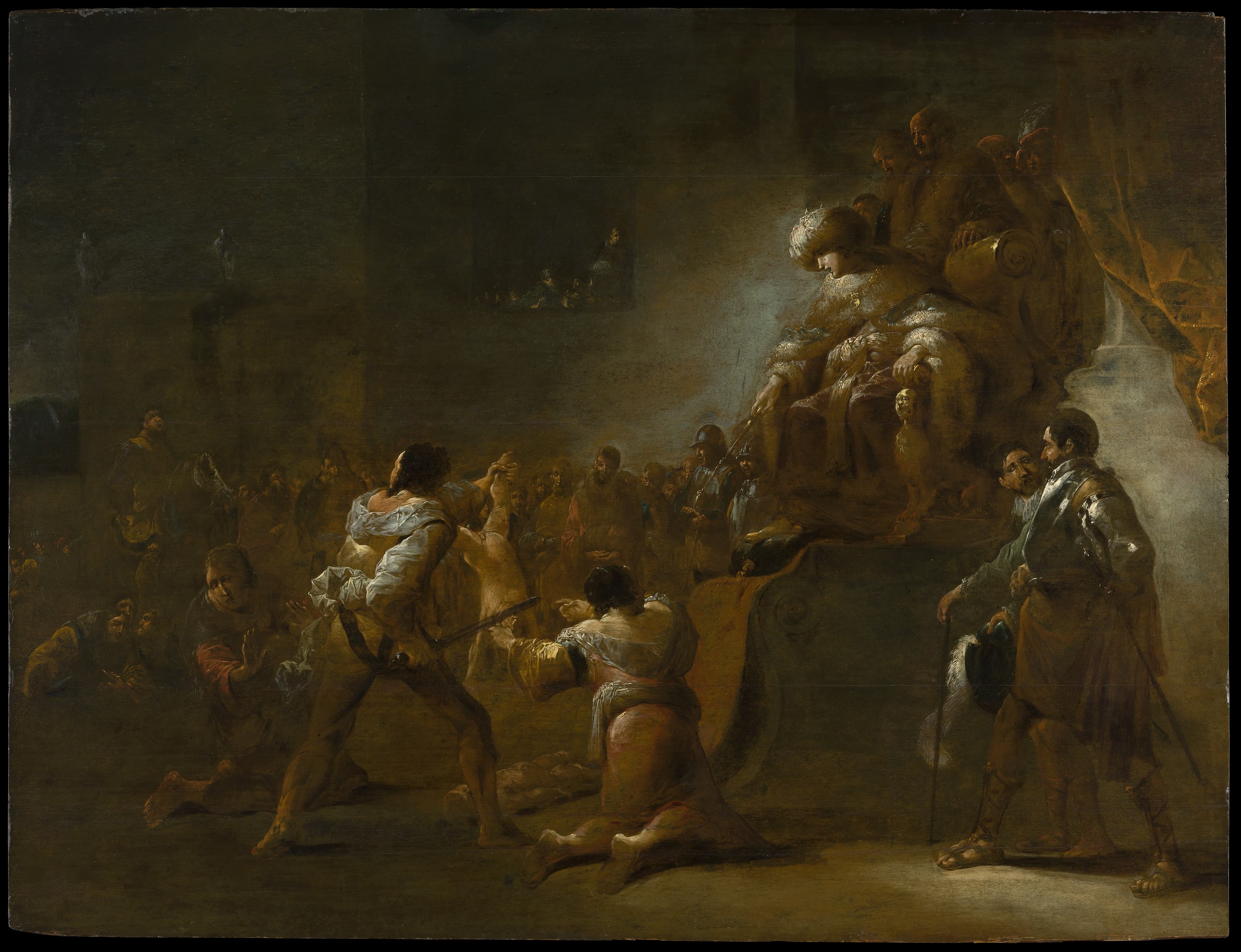
In Gibeon, the LORD appears to Solomon in a dream and invites him to ask for anything he desires. Solomon requests an understanding heart to judge the people, which pleases God. God grants him wisdom and also bestows riches and honor, promising long life if Solomon follows His commandments.
Summary
This passage from 1 Kings 3:5-14 is significant because it recounts Solomon's request for wisdom at the beginning of his reign as king of Israel. The setting is Gibeon, where Solomon has gone to offer sacrifices. During the night, God appears to Solomon in a dream and offers him anything he desires (3:5). Solomon, acknowledging the kindness God showed to his father David and the responsibility he now holds as king, expresses his sense of inadequacy and the challenge of leading such a great people (3:7-8).
In response to God's offer, Solomon requests an understanding heart to judge the people and discern between good and bad (3:9). This request pleases God, who acknowledges that Solomon could have asked for long life, riches, or the death of his enemies, but instead chose wisdom (3:10-11). God grants Solomon a wise and understanding heart, assuring him that no one like him has existed before, nor will there be anyone like him afterward (3:12). Additionally, God bestows upon Solomon riches and honor, promising that he will be unmatched among kings during his lifetime (3:13).
The passage concludes with God making a conditional promise to Solomon: if he follows God's ways and keeps His commandments as David did, God will extend his life (3:14). This resolution establishes that Solomon's reign will be marked by exceptional wisdom and prosperity, contingent on his faithfulness to God's commands.
Chiastic structure
ⓘ1 Kings 3:6-7
“Thou hast shewed unto thy servant David my father great mercy...thou hast made thy servant king instead of David my father: and I am but a little child”
1 Kings 3:9
“Give therefore thy servant an understanding heart to judge thy people, that I may discern between good and bad”
1 Kings 3:12-14
“I have given thee a wise and an understanding heart...And if thou wilt walk in my ways...I will lengthen thy days”
Both A and A' involve God's response to Solomon's position and request: A acknowledges Solomon's humble position and God's past kindness, while A' reflects God's promise of future blessings contingent on Solomon's continued faithfulness.
Interpretation and theological stakes
Continue reading with a Scholar plan
Upgrade to Scholar