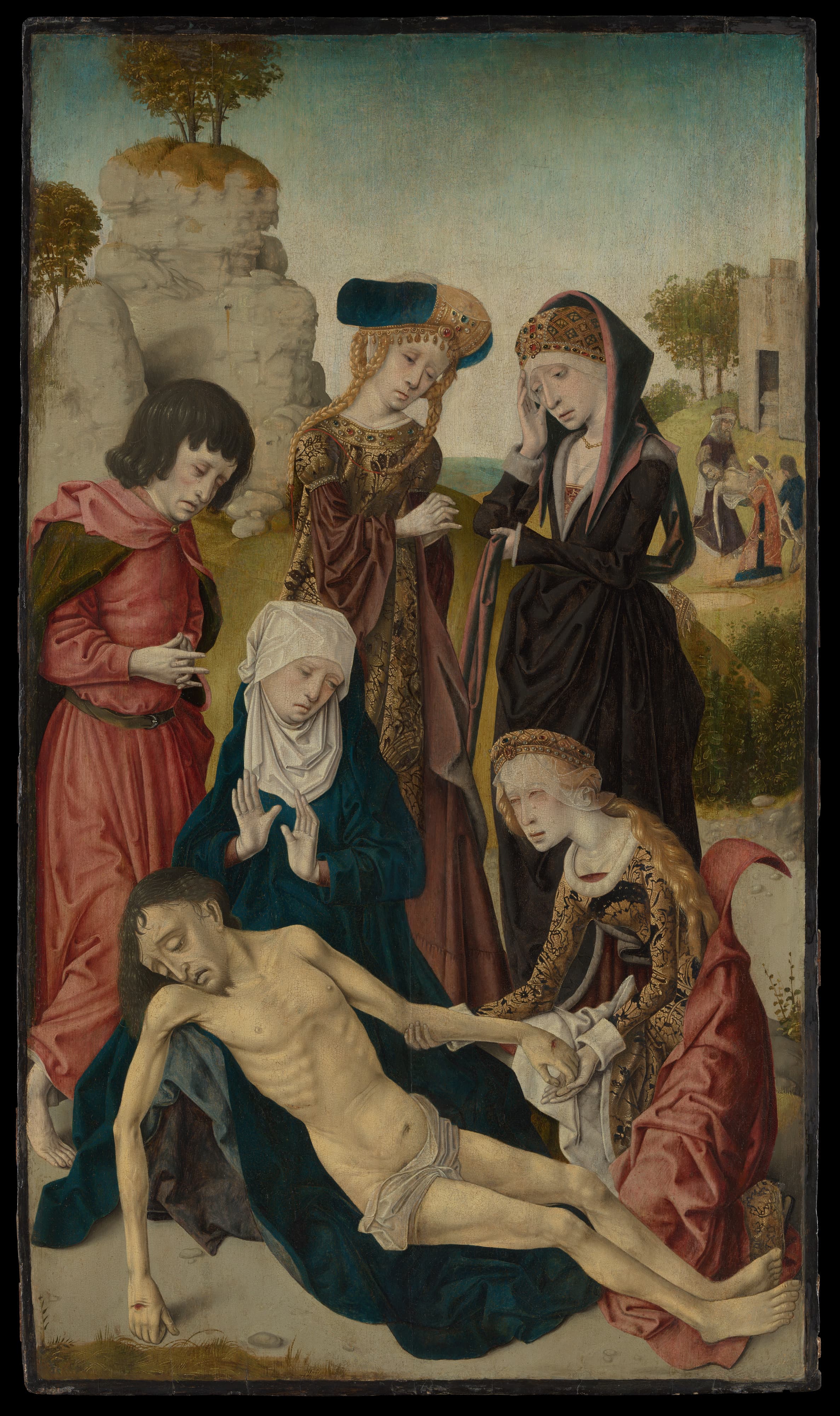
Isaiah 52:13-53:12 · Isaiah · Updated April 25, 2026
The Suffering Servant
The passage describes a servant who will be exalted despite suffering greatly. He is depicted as being marred, despised, and rejected, yet he bears the iniquities of others and brings healing through his suffering. Ultimately, he is rewarded for his sacrifice and intercession for transgressors.
Summary
The passage known as "The Suffering Servant" is a prophecy from the Book of Isaiah, depicting a servant who endures great suffering for the sake of others. Set during the 8th to 6th century BC, it speaks through the voice of God about His servant. God introduces the servant, who will act wisely and be exalted (52:13). Despite this, the servant's appearance is marred and unrecognizable, prompting astonishment among many (52:14). This servant will impact nations and silence kings, revealing truths previously unknown to them (52:15).
The narrative describes the servant as one who is despised and rejected, a man familiar with sorrow and suffering (53:3). He bears the griefs and sorrows of others, yet is seen as being punished by God (53:4). The servant is wounded for the transgressions of others and bruised for their iniquities, bringing healing through his suffering (53:5). Despite being oppressed and afflicted, he remains silent like a lamb led to slaughter (53:7). He is unjustly taken away and killed for the sins of the people (53:8), buried with the wicked, although he had committed no violence (53:9).
The passage concludes with the servant's suffering being part of God's will, resulting in the servant's soul being an offering for sin (53:10). Through his suffering, the servant will justify many by bearing their iniquities (53:11). He will be rewarded, sharing in the spoils with the great because he poured out his soul unto death and interceded for transgressors (53:12). The passage presents the conclusion that the servant's suffering leads to the redemption and justification of many, fulfilling God's purpose. The primary conclusion of Isaiah 52:13-53:12 revolves around the power of suffering. The passage presents the servant as a figure who endures immense pain and rejection, yet his suffering serves a redemptive purpose. Through his wounds, others find healing, and through his affliction, many are justified (53:5, 53:11). This narrative suggests that suffering can lead to redemption and transformation, both for the servant and those he affects. The servant's ultimate vindication and exaltation emphasize the importance of his sacrifice in fulfilling God's design for collective redemption.
Chiastic structure
ⓘIsaiah 52:13
“Behold, my servant shall deal prudently, he shall be exalted and extolled, and be very high.”
Isaiah 53:5
“But he was wounded for our transgressions, he was bruised for our iniquities: the chastisement of our peace was upon him; and with his stripes we are healed.”
Isaiah 53:12
“Therefore will I divide him a portion with the great, and he shall divide the spoil with the strong; because he hath poured out his soul unto death...”
A and A' both emphasize the exaltation and reward of the Servant after suffering.
Interpretation and theological stakes
Continue reading with a Scholar plan
Upgrade to Scholar