Isaiah 11:1-10 · Isaiah · Updated April 25, 2026
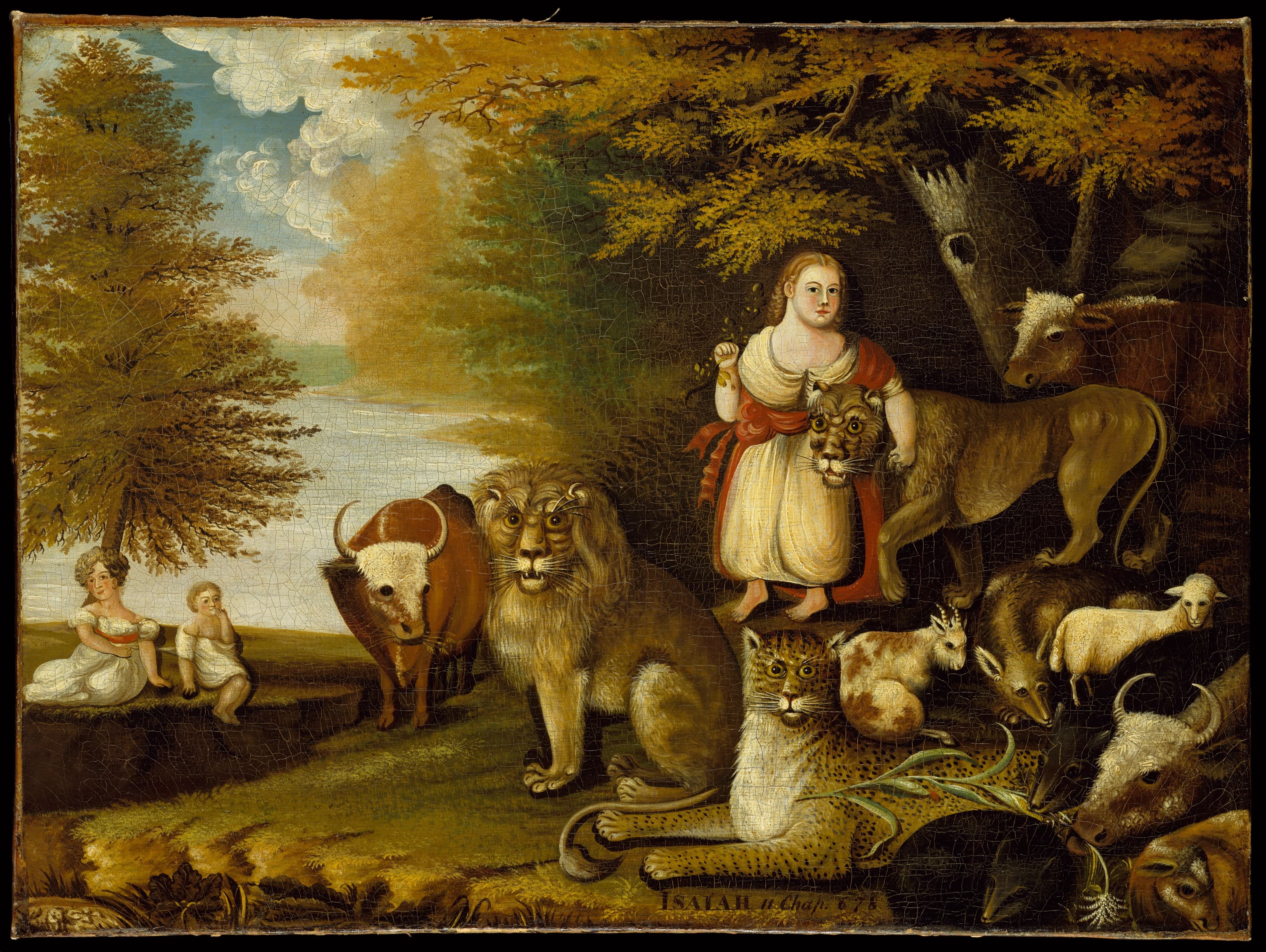
The Wolf & the Lamb
A prophecy describes a future leader from the line of Jesse who will be endowed with the spirit of the LORD, bringing wisdom, understanding, and righteousness. In this time, natural enemies will coexist peacefully, and the earth will be filled with the knowledge of the LORD.
Summary
Isaiah 11:1-10 is a prophetic vision describing a future era of peace and righteousness, originating from the lineage of Jesse, the father of King David. It announces the emergence of a new leader from Jesse's line, described as a "rod" or "Branch" (11:1). This leader will be endowed with the spirit of the LORD, which includes wisdom, understanding, counsel, might, knowledge, and the fear of the LORD (11:2).
The passage describes the characteristics and actions of this leader. He will possess quick understanding in the fear of the LORD and will Judge Not by appearances or hearsay but with righteousness and fairness, particularly toward the poor and meek (11:3-4). His reign will be marked by righteousness and faithfulness (11:5). A transformation in nature is depicted: predators and prey will coexist peacefully, such as wolves dwelling with lambs and leopards lying down with young goats (11:6). This harmony extends to children, who will safely play near dangerous animals (11:8). The earth will be filled with the knowledge of the LORD, ensuring no harm or destruction on the holy mountain (11:9).
The passage concludes with the establishment of this leader as a beacon for all people, including Gentiles, who will seek him out (11:10). This leader's rest will be described as glorious. The text presents this vision as a future of peace and divine knowledge, centered around a figure from Jesse's lineage who will bring about a harmonious and righteous world. Isaiah 11:1-10 presents a vision of a future characterized by peace and righteousness, ushered in by a leader from Jesse's lineage. The transformation of nature and society is depicted, where harmony reigns over hostility and justice replaces inequity. This leader, endowed with the spirit of the LORD, will act with wisdom and fairness, particularly toward the marginalized (11:2-4). The description of predators and prey coexisting peacefully (11:6) symbolizes a shift in the natural order, underscoring the change this leadership will bring. The ultimate result is a world filled with divine knowledge, where harm and destruction are absent (11:9).
Chiastic structure
ⓘIsaiah 11:6-8
“The wolf also shall dwell with the lamb...”
Isaiah 11:9
“They shall not hurt nor destroy in all my holy mountain: for the earth shall be full of the knowledge of the LORD...”
Isaiah 11:10
“And in that day there shall be a root of Jesse...”
The theme of peace and restoration in creation is introduced in A and fulfilled in A'.
Interpretation and theological stakes
Continue reading with a Scholar plan
Upgrade to Scholar