Psalms 119 · Psalms · Updated April 25, 2026
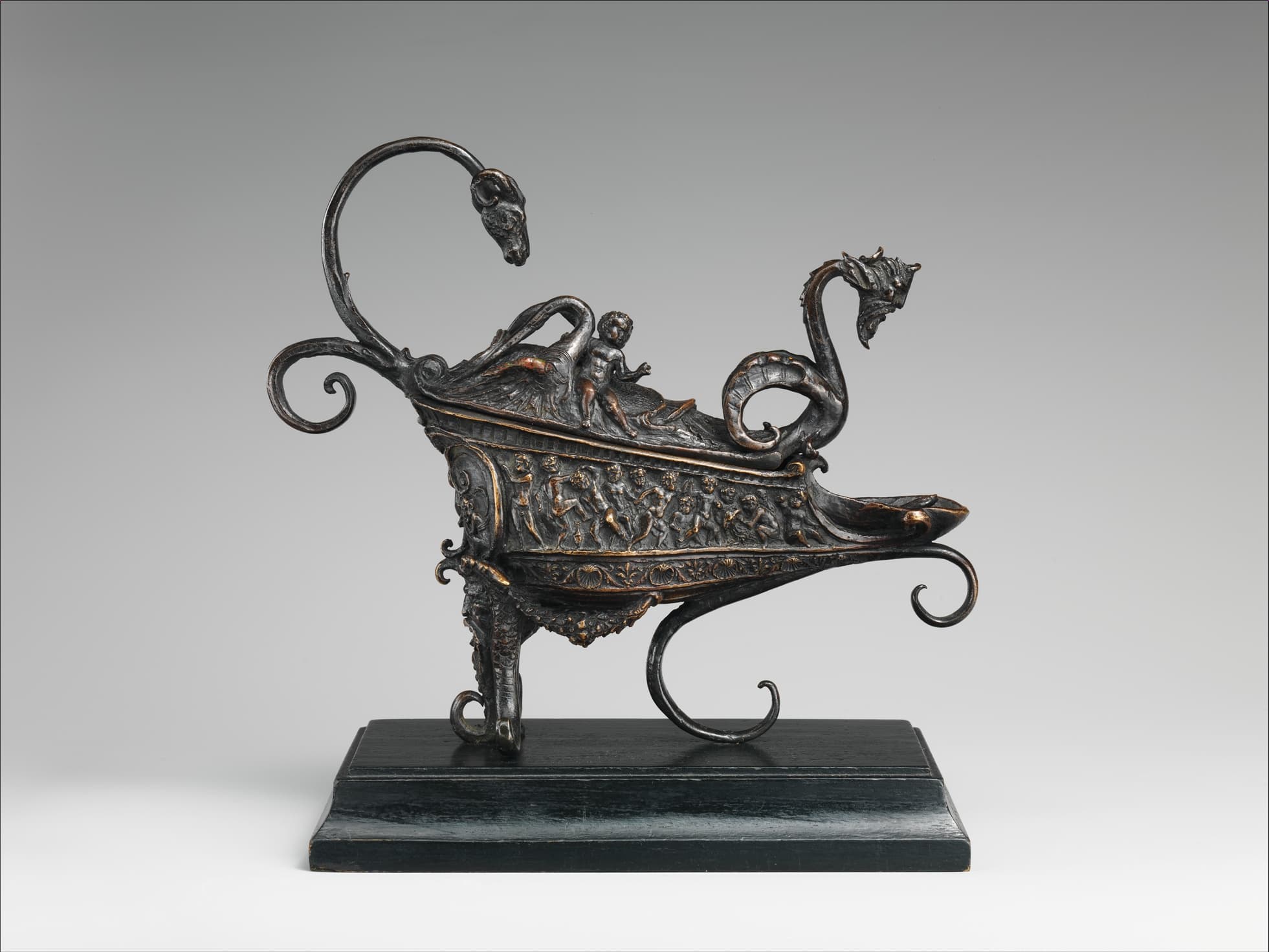
The Word is a Lamp
Psalm 119 is an extensive meditation on the law of the Lord, emphasizing the importance of God's word in guiding and sustaining the believer. The psalmist expresses a deep love for God's commandments and seeks understanding and deliverance through them. The text is structured as an acrostic poem, with each section corresponding to a letter of the Hebrew alphabet.
Summary
Psalm 119 is the longest chapter in the Book of Psalms and serves as a meditation on the law of God. It is an acrostic poem, with each section beginning with a successive letter of the Hebrew alphabet. The Psalmist speaks directly to God, expressing devotion and seeking guidance through God's laws. The passage begins with the Psalmist declaring the blessedness of those who walk in the law of the Lord, seeking Him with their whole heart and keeping His commandments (verses 1-2).
Throughout the passage, the Psalmist emphasizes the importance of God's word and commandments. The Psalmist expresses a longing to understand and follow God's statutes, asking for insight and strength to do so (verses 18, 27). The Psalmist describes how God's word serves as a guide and a source of comfort, even in the face of adversity and persecution from the wicked (verses 105, 114). The Psalmist is committed to keeping God's laws, finding joy and wisdom in them, and repeatedly asks for God's help and mercy to remain faithful (verses 11, 160).
The passage concludes with the Psalmist reaffirming their dedication to God's commandments and seeking divine intervention to stay true to them (verse 176). The final state of affairs is one of unwavering commitment to God's laws, despite life's challenges. The Psalmist's concluding plea is for God to seek out His servant, who may have strayed like a lost sheep, but remains devoted to remembering God's commandments. The passage highlights the enduring truth and righteousness of God's word, which the Psalmist treasures above all else (verse 160). Psalm 119 primarily establishes the centrality of God's word in guiding and sustaining the believer. The Psalmist emphasizes that God's law is not merely a set of rules but a source of life, wisdom, and protection. The text stresses the necessity of internalizing God's commandments as a means to face life's challenges and maintain a righteous path. The Psalmist's repeated calls for understanding and strength to follow God's statutes highlight a relationship that is dynamic and reliant on divine guidance. God's word is depicted as a lamp and light, illuminating the path and enabling the believer to walk without stumbling (verse 105).
Chiastic structure
ⓘ119:105
“Thy word is a lamp unto my feet, and a light unto my path.”
119:130
“The entrance of thy words giveth light; it giveth understanding unto the simple.”
119:133
“Order my steps in thy word: and let not any iniquity have dominion over me.”
Both A and A' emphasize the importance of God's word as a guiding principle and source of life.
Interpretation and theological stakes
Continue reading with a Scholar plan
Upgrade to Scholar