Ezekiel 37:1-14 · Ezekiel · Updated April 25, 2026
Valley of Dry Bones
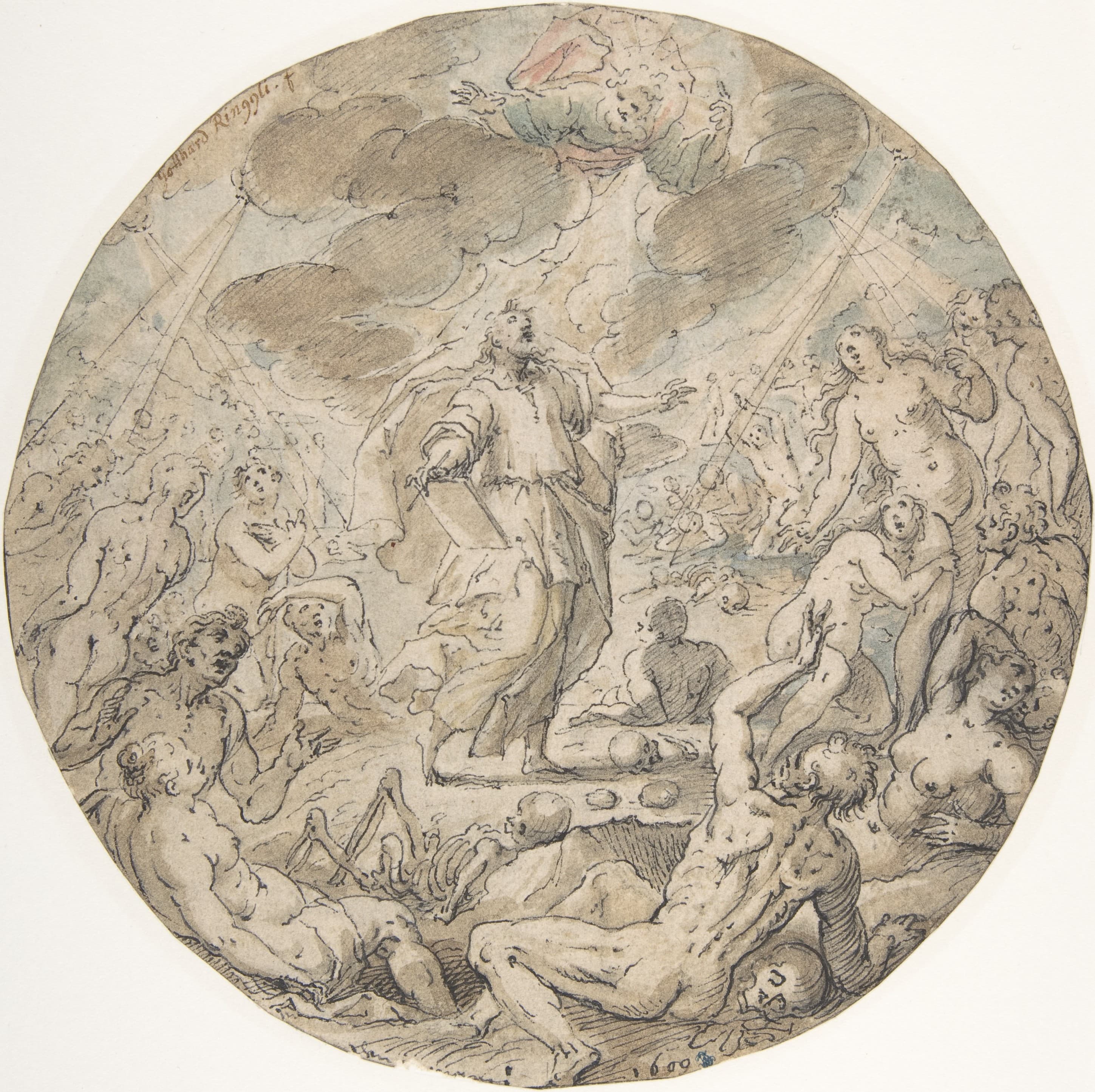
In Ezekiel 37:1-14, God takes Ezekiel to a valley filled with dry bones and asks if they can live. God instructs Ezekiel to prophesy to the bones, which come to life as a great army, symbolizing the restoration of Israel.
Summary
The passage from Ezekiel 37:1-14 presents a vision given to the prophet Ezekiel by God, addressing the restoration of Israel. In a valley filled with dry bones, symbolizing hopelessness and death, God asks Ezekiel if the bones can live again. Ezekiel responds that only God knows the answer (37:3). This question introduces the events that follow, where God demonstrates His power and promise to revive and restore.
In the vision, God commands Ezekiel to prophesy to the dry bones, telling them to hear the word of the Lord. God promises breath will enter the bones, and they will come to life (37:5). As Ezekiel obeys and prophesies, the bones come together, forming skeletons covered with sinews, flesh, and skin, but they remain lifeless without breath (37:8). God then instructs Ezekiel to call upon the wind to breathe life into these bodies. When Ezekiel does so, breath enters them, and they stand up as a vast army (37:10).
The passage concludes with God explaining the vision's meaning to Ezekiel. God identifies the bones as the whole house of Israel, who feel dried up and hopeless (37:11). He assures them that He will open their graves and bring them back to the land of Israel, filling them with His spirit so they will live again (37:14). God declares that when this happens, they will know that He is the Lord who has spoken and fulfilled His promise. The primary conclusion of Ezekiel 37:1-14 is that God promises to restore Israel from a state of despair and disconnection. The vision of dry bones coming to life illustrates the power of God's word and spirit. The bones symbolize the people of Israel who feel hopeless and abandoned (37:11). Through Ezekiel's prophecy, God assures them that He will breathe life into their desolation and return them to their land, emphasizing His sovereignty and faithfulness (37:14). This restoration is both physical and spiritual, renewing the covenant relationship between God and His people.
Chiastic structure
ⓘEzekiel 37:1-8
“The hand of the LORD was upon me... behold, the sinews and the flesh came up upon them, and the skin covered them above: but there was no breath in them.”
Ezekiel 37:9-10
“Then said he unto me, Prophesy unto the wind... and the breath came into them, and they lived, and stood up upon their feet, an exceeding great army.”
Ezekiel 37:11-14
“Then he said unto me, Son of man, these bones are the whole house of Israel... I shall place you in your own land: then shall ye know that I the LORD have spoken it, and performed it, saith the LORD.”
A and A' both deal with the theme of life being restored to the dead, with A focusing on the vision of dry bones coming to life and A' focusing on the promise of Israel's restoration.
Interpretation and theological stakes
Continue reading with a Scholar plan
Upgrade to Scholar