Isaiah 7:10-17 · Isaiah

Virgin Birth Prophecy

The LORD speaks to Ahaz, offering him a sign, but Ahaz refuses to ask for one. The LORD then declares that a virgin will conceive and bear a son named Immanuel. This child will eat butter and honey and before he matures, the lands of the two kings Ahaz fears will be deserted.

Summary

The passage from Isaiah 7:10-17 is significant because it contains a prophecy given to King Ahaz of Judah. The setting is the 8th century BC during a time of political unrest. Ahaz, a king from the house of David, is facing the threat of invasion from the northern kingdoms. The LORD speaks to Ahaz, offering him a sign to reassure him of divine support. Ahaz, however, declines to ask for a sign, expressing his reluctance to test the LORD (verses 10-12).

Despite Ahaz's refusal, the LORD announces that He will provide a sign anyway. The sign involves a prophecy about a virgin who will give birth to a son named Immanuel (verse 14). The prophecy continues, stating that before this child matures enough to know right from wrong, the lands of the two kings whom Ahaz fears will be deserted (verse 16). This indicates a timeline for the fulfillment of the prophecy, suggesting imminent political changes.

The passage concludes with the LORD declaring that He will bring difficult times upon Ahaz, his people, and his family, referencing the coming of the king of Assyria (verse 17). The final state of affairs is one of impending judgment and upheaval. The passage establishes that despite Ahaz's reluctance, a divine sign will be given, and it signifies both the birth of Immanuel and the forthcoming desolation of enemy lands.

Chiastic structure

A

Isaiah 7:11

Ask thee a sign of the LORD thy God; ask it either in the depth, or in the height above.

B

Isaiah 7:14

Therefore the Lord himself shall give you a sign; Behold, a virgin shall conceive, and bear a son, and shall call his name Immanuel.

A'

Isaiah 7:17

The LORD shall bring upon thee, and upon thy people, and upon thy father's house, days that have not come...

A and A' both involve signs from God, with A being an invitation to ask for a sign and A' being the consequence of not asking.

Interpretation and theological stakes

The passage from Isaiah 7:10-17 primarily establishes that God will provide a sign to King Ahaz despite his reluctance to ask for one. This sign involves a prophecy about a virgin conceiving a child named Immanuel, indicating imminent changes in the political landscape (verse 14). The passage underscores the certainty of divine intervention and the unfolding of significant political events, regardless of Ahaz's hesitance (verses 16-17). It effectively communicates that God's plans are not contingent upon human requests but follow divine wisdom and timing.

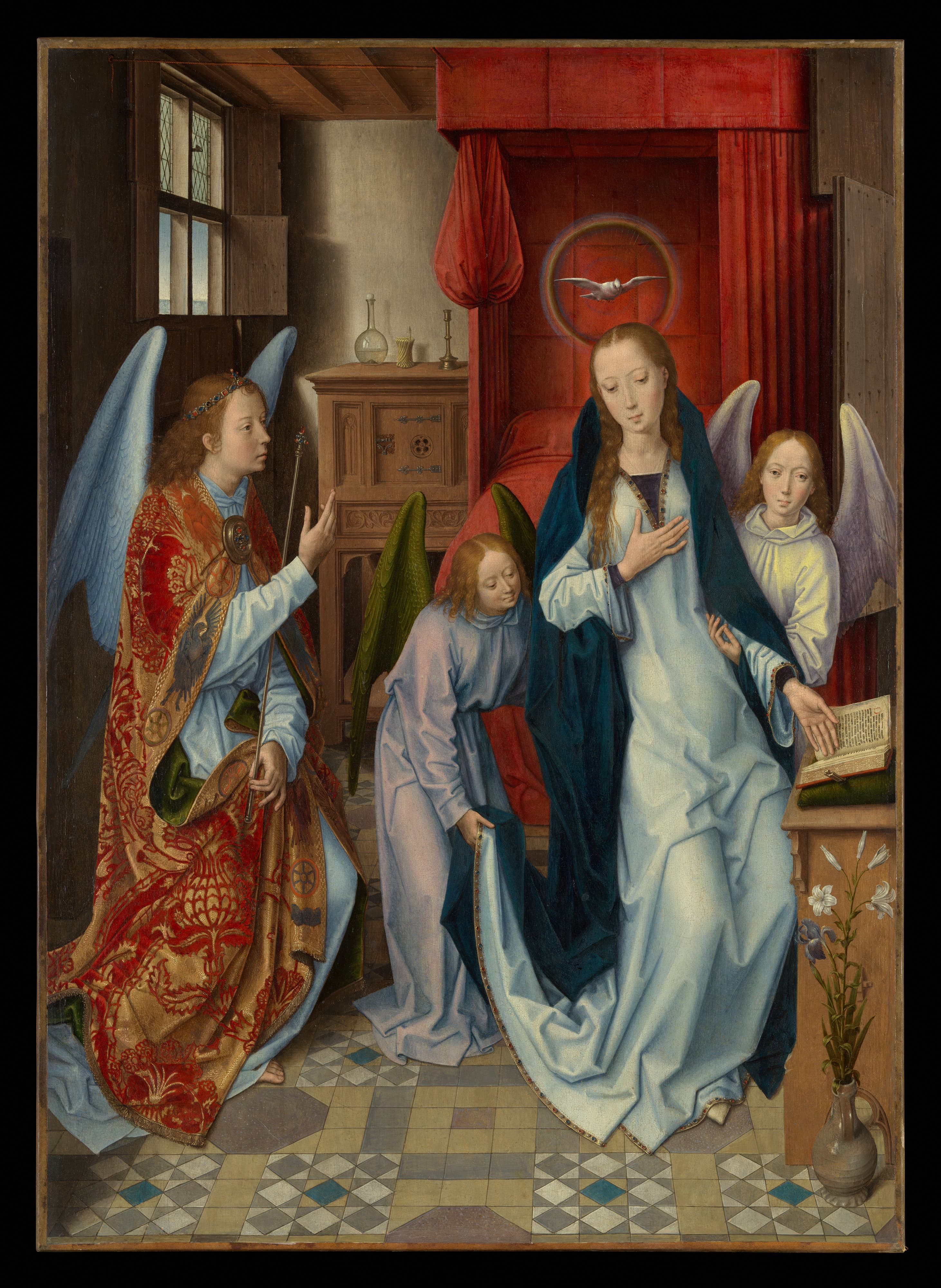
A Christian interpretation sees this passage as a prophecy foretelling the birth of Jesus Christ. The term "virgin" in verse 14 is understood as referring to Mary, and the child, Immanuel, is identified with Jesus, signifying "God with us." Christians argue that this prophecy finds its ultimate fulfillment in the New Testament accounts of Jesus's birth (Matthew 1:22-23). This reading focuses on the miraculous nature of the virgin birth and the divine promise of salvation through the Messiah, emphasizing God's intervention in human history.

In contrast, a Rabbinic Jewish interpretation reads the prophecy as concerning a contemporary situation in Isaiah's time. Here, the "virgin" or "young woman" (the Hebrew term "almah") refers to a woman existing during Isaiah's era, with the birth of her child serving as an immediate sign to Ahaz. This reading emphasizes the historical context, pointing to the political events of the 8th century BC and the need for a timely reassurance to Ahaz (verse 16). It suggests that the prophecy was meant to encourage Ahaz by indicating that the threat from the northern kingdoms would soon be neutralized.

Considering both interpretations, the passage can be understood as a layered prophecy serving dual purposes. Initially, it directly addressed Ahaz's immediate concerns, offering a sign of deliverance from his immediate foes. In the broader Christian tradition, it later came to be seen as a messianic prophecy fulfilled centuries later in Jesus Christ. This dual significance illustrates the complex nature of prophetic literature, which often carries meanings relevant to both its original audience and future generations. Such texts invite contemplation on how divine messages can resonate across different contexts and time periods, revealing the multifaceted ways in which scripture can be understood.

Continue reading with a Scholar plan

Upgrade to Scholar