1 Corinthians 1:18-31 · 1 Corinthians · Updated April 25, 2026
Wisdom of God vs World
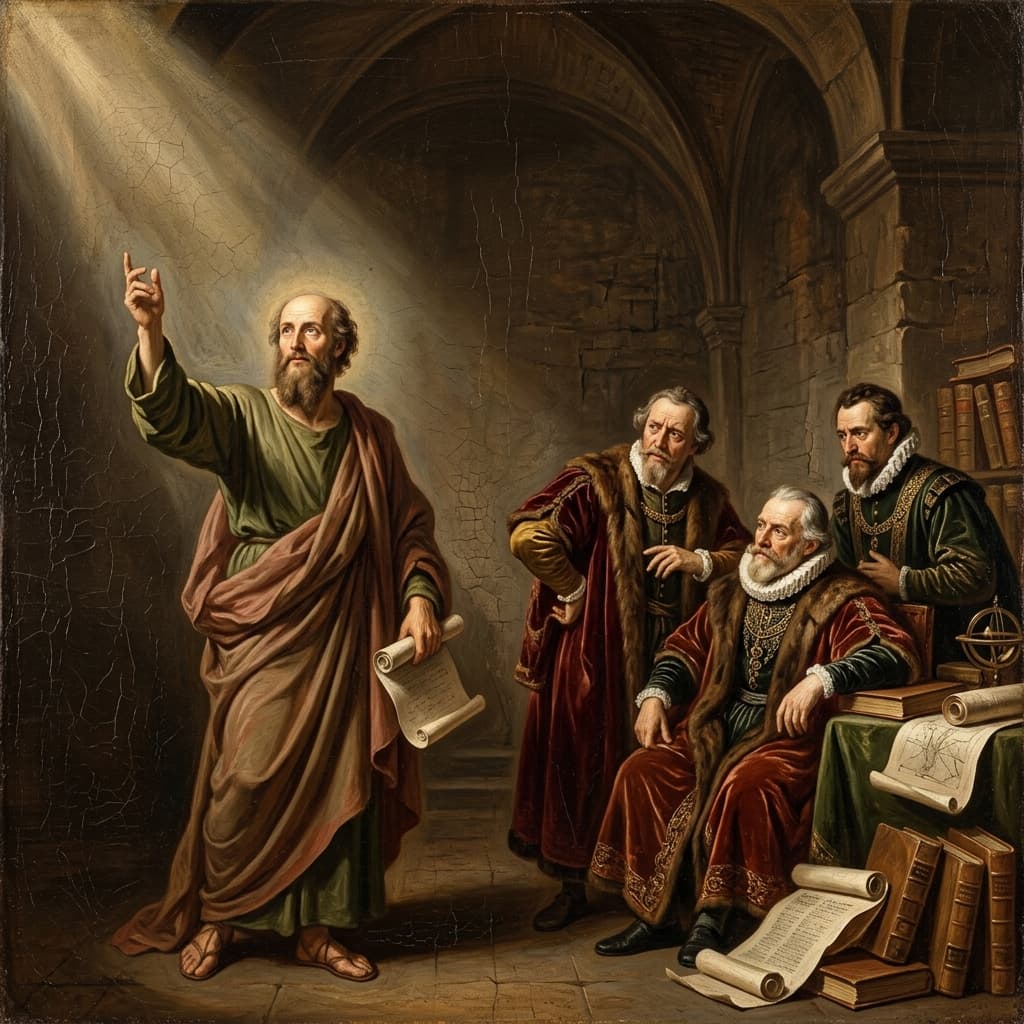
Paul contrasts the wisdom of God with the wisdom of the world, emphasizing that God's wisdom is perceived as foolishness by those who are perishing. He highlights that God has chosen what is foolish and weak in the world to shame the wise and strong, and that believers are in Christ, who embodies wisdom, righteousness, sanctification, and redemption.
Summary
This passage from 1 Corinthians is part of a letter written by the Apostle Paul to the Christian community in Corinth. It addresses the contrast between human wisdom and God's wisdom, emphasizing the importance of understanding God's plan through the lens of faith. The passage opens by contrasting two groups: those who see the message of the cross as foolishness and those who recognize it as the power of God (1:18). Paul quotes scripture, stating that God will destroy the wisdom of the wise and nullify the understanding of the prudent (1:19). This sets the stage for a discussion on how God's wisdom differs from worldly wisdom.
As the passage unfolds, Paul questions the value of worldly wisdom, asking where the wise, the scribe, and the debater of this age are (1:20). He argues that God has made the wisdom of the world foolish and that through what the world considers foolish — preaching — the believers are saved (1:21). Paul explains that Jews demand signs and Greeks seek wisdom, but the message preached is Christ crucified, which is a stumbling block to Jews and foolishness to Greeks (1:22-23). However, to those who are called, Christ represents the power and wisdom of God (1:24). Paul emphasizes that God's foolishness is wiser and His weakness stronger than human strength (1:25). He further notes that God has chosen what is foolish and weak in the world to shame the wise and strong (1:27).
The passage concludes by stating that God chose what is low and despised in the world to nullify things that are, so no one can boast before Him (1:28-29). Believers are in Christ Jesus, who has become wisdom, righteousness, sanctification, and redemption for them (1:30). The final verse states that anyone who boasts should boast in the Lord, highlighting that the true source of glory and wisdom is found in God, not human achievement (1:31).
Chiastic structure
ⓘ1 Corinthians 1:18
“For the preaching of the cross is to them that perish foolishness; but unto us which are saved it is the power of God.”
1 Corinthians 1:24
“But unto them which are called, both Jews and Greeks, Christ the power of God, and the wisdom of God.”
1 Corinthians 1:27
“But God hath chosen the foolish things of the world to confound the wise; and God hath chosen the weak things of the world to confound the things which are mighty;”
A and A' both emphasize the reversal of worldly wisdom and power by God's actions.
Interpretation and theological stakes
Continue reading with a Scholar plan
Upgrade to Scholar