Celibacy
Ascetic practices · Updated August 15, 2026
Overview
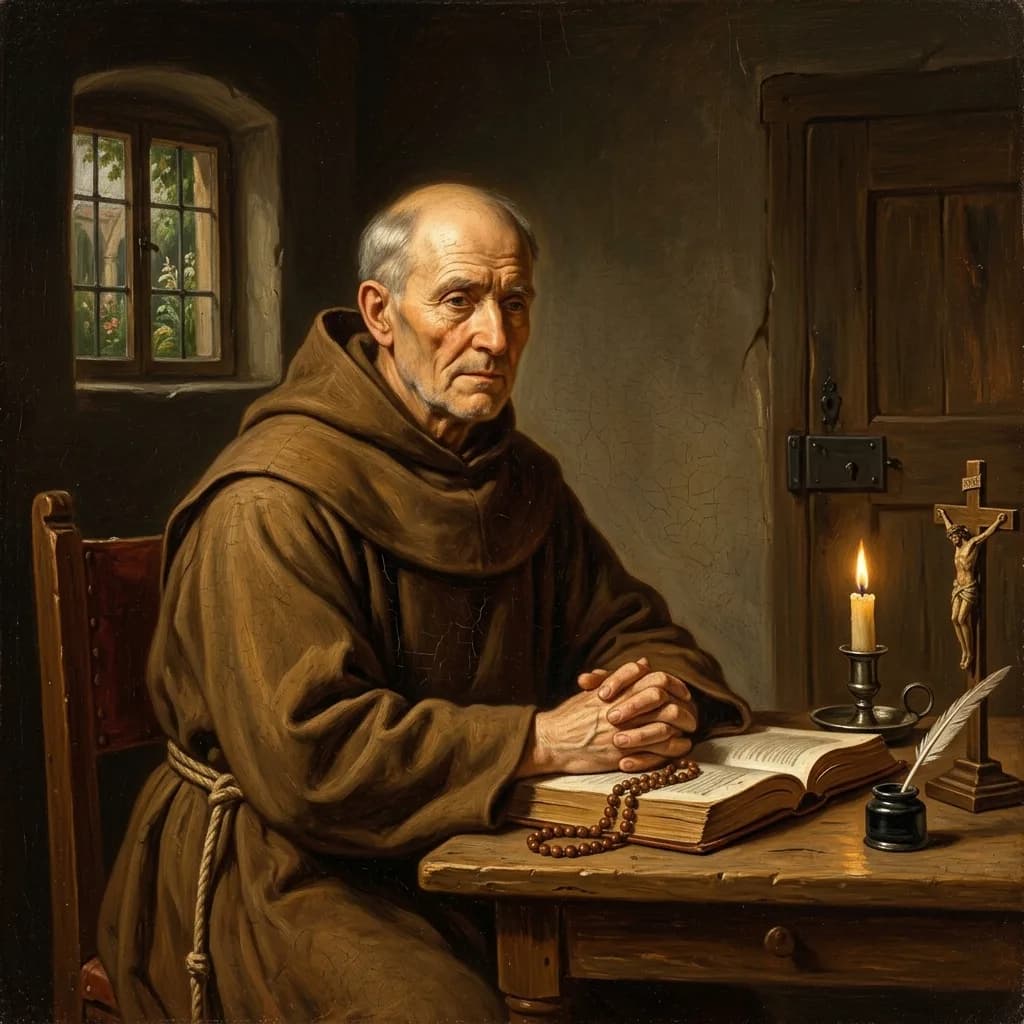
Clerical celibacy wasn't universally enforced in the Catholic Church until the 12th century, despite earlier councils advocating for it. The idea that clergy should abstain from marriage and sexual relations took root early in Christian history, as seen in the Council of Elvira in 306 AD. This council, held in what is now Spain, was one of the first to articulate a vision of celibacy for priests, suggesting a life of complete dedication to the Church. However, these early decrees were not universally adopted or enforced across Christendom, and many clerics continued to marry and have families.
The push towards mandatory Celibacy gained momentum in the 11th century under the leadership of Pope Gregory VII. As part of his sweeping reforms aimed at strengthening the moral and spiritual authority of the Church, Gregory VII sought to eliminate the practice of priests marrying. He believed that Celibacy was essential to prevent corruption and to ensure that clergy were fully devoted to their spiritual duties. The decisive turning point came with the Second Lateran Council in 1139, which made celibacy an official requirement for all Catholic priests. This marked the end of a long period of flexibility and set a clear standard for priestly conduct within the Western Church.
Today, the issue of clerical celibacy continues to distinguish the Catholic Church from other Christian traditions. In contrast, the Eastern Orthodox Church permits married men to be ordained as priests, although bishops must remain celibate. The Protestant Reformation in the 16th century further disrupted the universal practice of celibacy in Western Christianity, with reformers like Martin Luther rejecting the idea altogether and allowing clergy to marry. This divergence in practice reflects broader theological and cultural differences within Christianity that persist to this day.
Clerical celibacy wasn't universally enforced in the Catholic Church until the 12th century, despite earlier councils advocating for it.
Why Fighting Over Celibacy Was a Big Deal
The battle over clerical celibacy was not just a debate about whether priests should marry; it was a struggle over the Catholic Church's authority to dictate the personal and spiritual lives of its clergy and followers. This controversy was about power. The Church sought to enforce celibacy to consolidate its control, ensuring clergy were fully devoted to their religious duties rather than family obligations. Enforcing Celibacy was a broader attempt to maintain traditional ecclesiastical power structures amidst a rapidly changing world, where societal norms were evolving and challenging longstanding Church practices.
The First Lateran Council of 1123 marked a moment in this struggle. Pope Callixtus II and attending bishops officially decreed clerical Celibacy, marking a victory for the reformists led by figures like Pope Gregory VII. These reformists argued that celibacy was essential to prevent corruption and nepotism, thus strengthening the Church's moral authority. On the other side, traditionalists, including influential voices like Peter Damian, contended that allowing clerical marriage was a long-standing tradition and a natural human right. Secular authorities, such as Henry IV, Holy Roman Emperor, often sided with the traditionalists, viewing clerical marriage as a way to maintain local control over the Church. The decree at the council underscored papal authority but also intensified resistance, with each side keenly aware that the outcome would shape the Church's future influence and structure.
Despite the decrees, the fight over celibacy was never truly settled. Enforcement was inconsistent, with many regions resisting the edicts, and cultural, political, and theological differences continued to challenge the Church's ability to impose a universal standard. The debate over celibacy became a symbol of the ongoing tension between tradition and adaptation, reflecting the Church's struggle to maintain its authority while responding to the realities of the time. This unresolved conflict is evident even today, as discussions about clerical Celibacy continue to provoke debate within the Catholic Church, highlighting the enduring complexity of balancing historical customs with contemporary needs.
Continue reading with a Scholar plan
Upgrade to ScholarCommon questions
- What is celibacy and why do people practice it?
- Celibacy is the state of abstaining from marriage and sexual relations. People practice it for religious, spiritual, or personal reasons, often to dedicate themselves more fully to their faith or personal goals.
- Is celibacy only for religious reasons?
- No, celibacy is not only for religious reasons. Some people choose celibacy for personal development, health, or philosophical beliefs.
- What are the benefits of living a celibate life?
- Benefits of celibacy can include increased focus on personal or spiritual goals, avoidance of sexually transmitted infections, and freedom from the emotional complexities of romantic relationships.
- How does celibacy differ from abstinence?
- Celibacy is a long-term commitment to abstain from sexual activity, often for religious or personal reasons, while abstinence can be a temporary choice to refrain from sex for various reasons.
- Why do priests take a vow of celibacy?
- Priests take a vow of celibacy to fully dedicate themselves to their spiritual duties and the Church, avoiding family obligations that could distract from their religious responsibilities.
- Can celibacy be a temporary lifestyle choice?
- Yes, celibacy can be a temporary lifestyle choice, adopted for a specific period or purpose, such as personal growth or spiritual reflection.
- What are the challenges of maintaining celibacy?
- Challenges of maintaining celibacy include dealing with loneliness, societal pressure, and the natural human desire for companionship and intimacy.
- How does celibacy impact mental health?
- Celibacy can impact mental health both positively and negatively, offering clarity and focus for some, while potentially leading to feelings of isolation or frustration for others.
- What is the history of celibacy in religious traditions?
- Celibacy has a long history in religious traditions, with early Christian councils advocating for it, and it becoming mandatory for Catholic priests in the 12th century. Other religions, like Buddhism, also value celibacy for monks and nuns.
- Are there any famous people known for practicing celibacy?
- Famous people known for practicing celibacy include religious figures like Mother Teresa and historical figures like Nikola Tesla, who reportedly chose celibacy to focus on his inventions.
- What role does celibacy play in Buddhism?
- In Buddhism, celibacy is practiced by monks and nuns as a way to detach from worldly desires and focus on spiritual enlightenment.
- How can someone start living a celibate lifestyle?
- To start living a celibate lifestyle, one can set clear personal goals, seek support from like-minded communities, and engage in activities that promote personal growth and fulfillment.
- What is the difference between celibacy and chastity?
- Celibacy refers to abstaining from marriage and sexual relations, often for life, while chastity is the practice of refraining from sexual activity according to one's state in life, such as remaining faithful in marriage.
- How does celibacy affect relationships?
- Celibacy can affect relationships by limiting romantic involvement but can also deepen friendships and spiritual connections by allowing more focus on non-romantic bonds.
- What are some misconceptions about celibacy?
- Common misconceptions about celibacy include the belief that it is only for religious people, that it leads to unhappiness, or that it is an unnatural lifestyle choice.