Grace
Theology · Updated August 15, 2026
Overview
Grace was controversial enough to cause the first major theological split in Christianity during the 5th century. The division centered on a debate over whether human beings could achieve Salvation through their own efforts or if divine intervention was necessary. The role of Grace in Salvation stirred heated debates among early Christian leaders, leading to a rift within the church.
The controversy began with a British monk named Pelagius, who argued that humans possessed the inherent ability to choose good and attain Salvation without divine help. This view directly challenged the teachings of Augustine of Hippo, a theologian who insisted that divine grace was essential to overcome human sinfulness. The debate reached a critical point in 418 AD when the Council of Carthage convened, condemning Pelagianism and affirming that Grace was crucial for Salvation. Despite this, the debate did not end there, as a middle-ground position known as Semi-Pelagianism emerged. This view suggested that while humans could take initial steps toward faith, they still required divine grace for full Salvation. However, the Council of Orange in 529 AD decisively rejected even this compromise, reinforcing that Grace was necessary right from the start of one's faith journey.
The understanding of Grace as a fundamental aspect of Salvation remains a central tenet in most branches of Western Christianity. The early debates between figures like Pelagius and Augustine shaped doctrines that persist in many Christian denominations. The consensus, as established by councils like those in Carthage and Orange, holds that divine grace is an indispensable part of the path to Salvation, a belief that influences Christian teachings and practices globally.
Common questions
- What is the concept of grace in Christianity?
- In Christianity, grace is the unmerited favor and love of God towards humanity. It is considered essential for salvation, as it is believed that humans cannot achieve salvation through their own efforts alone.
- How does grace differ from mercy in religious teachings?
- Grace is the unearned favor and love given by God, while mercy is the compassion and forgiveness shown by God to those who deserve punishment. Grace is about receiving blessings we don't deserve, whereas mercy is about being spared from the punishment we do deserve.
- Why is grace considered important in Christian theology?
- Grace is crucial in Christian theology because it is seen as the means by which salvation is granted. It emphasizes that salvation is not earned by human efforts but is a gift from God.
- What are the different types of grace in Catholicism?
- Catholicism distinguishes between sanctifying grace, which dwells in the soul and makes it holy, and actual grace, which refers to God's interventions in our lives to help us act according to His will.
- How is grace received according to Christian beliefs?
- Grace is received through faith in Jesus Christ, the sacraments, and through prayer and good works as expressions of faith. It is considered a gift from God that cannot be earned.
- What role does grace play in salvation?
- Grace is essential for salvation in Christian belief, as it is through God's grace that humans are forgiven of their sins and granted eternal life. It enables believers to overcome sin and grow in holiness.
- How is grace understood in different Christian denominations?
- While most Christian denominations agree on the necessity of grace for salvation, they differ in how it is received and its role in the salvation process. For example, Catholics emphasize sacraments as means of grace, while Protestants often emphasize faith alone.
- What did Martin Luther say about grace?
- Martin Luther emphasized that salvation is achieved through faith alone (sola fide) and that grace is a free gift from God, not earned by human works. He argued against the Catholic Church's teachings that included works as part of salvation.
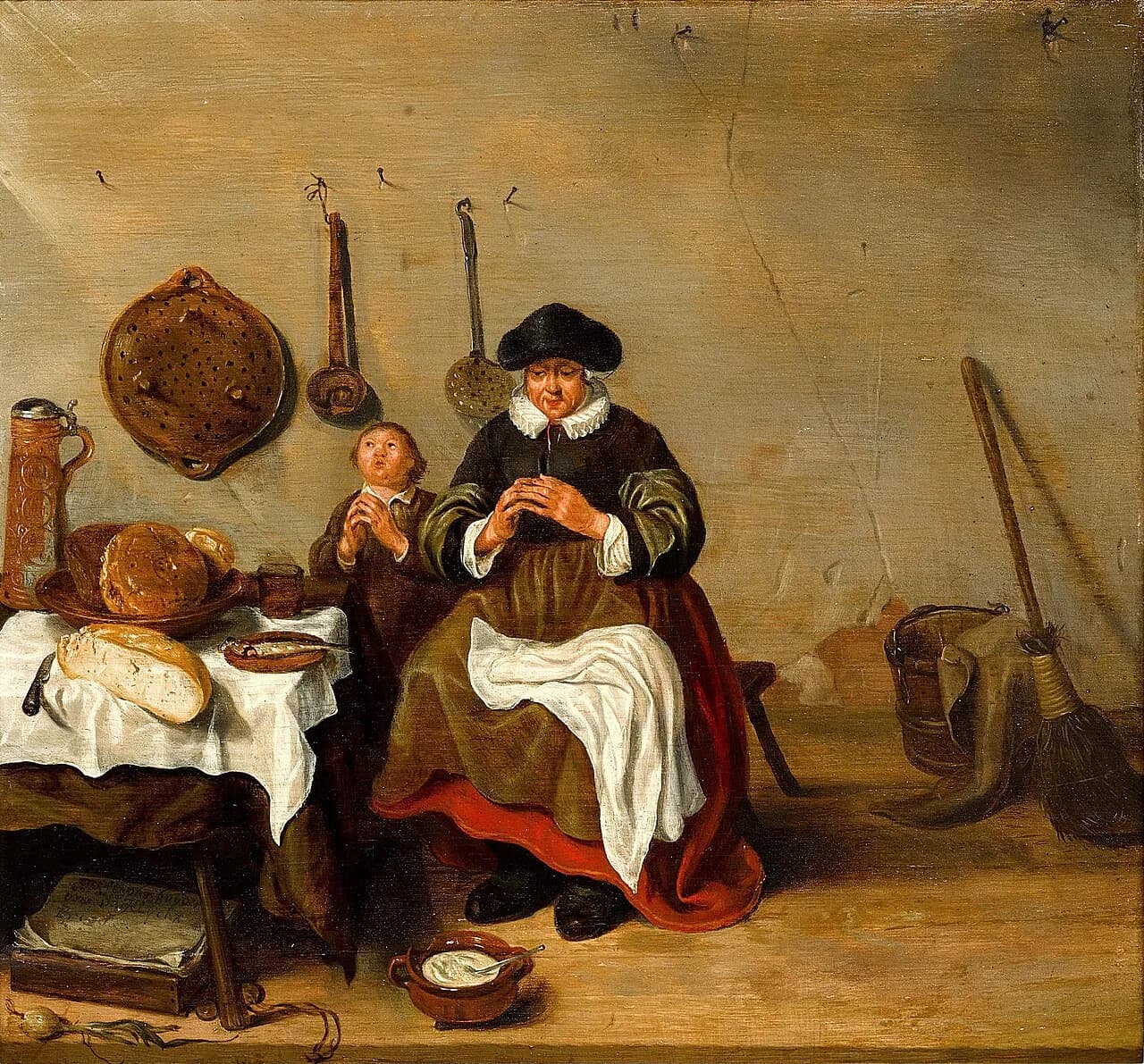
- Why do Christians say 'grace' before meals?
- Christians say 'grace' before meals to thank God for His provision and blessings. It is a moment to acknowledge God's grace in providing sustenance.
- What is the doctrine of grace in Calvinism?
- In Calvinism, the doctrine of grace is encapsulated in the concept of 'irresistible grace,' which means that God's grace to save a person cannot be resisted when He has chosen to bestow it. It is part of the broader framework of predestination and election.
- How is grace depicted in the Bible?
- Grace in the Bible is depicted as God's favor and love towards humanity, often shown through acts of kindness, forgiveness, and salvation. Key passages include Ephesians 2:8-9, which emphasizes that salvation is a gift of grace through faith.
- What are examples of grace in everyday life?
- Examples of grace in everyday life include acts of forgiveness, kindness, and generosity that are given without expectation of return. It can also be seen in moments of unexpected blessings or support during difficult times.
- How does grace relate to forgiveness?
- Grace and forgiveness are closely related, as grace often involves forgiving others, even when they do not deserve it. God's grace is seen as the ultimate form of forgiveness, offering redemption and reconciliation to sinners.
- What are the sacraments of grace in the Catholic Church?
- In the Catholic Church, the sacraments of grace include Baptism, Eucharist, Confirmation, Reconciliation, Anointing of the Sick, Holy Orders, and Matrimony. These sacraments are considered means through which God's grace is dispensed to believers.
- How does the concept of grace influence Christian ethics?
- The concept of grace influences Christian ethics by encouraging believers to act with love, forgiveness, and generosity, reflecting the grace they have received from God. It promotes a life of humility and service, recognizing that all good comes from God's grace.