Bible study / Biblical figures / Abigail

Old Testament

Abigail

United Monarchy (c. 1010 BC)

wisdompeacemakingbeauty and intelligencefoolish husbandrestraint of violence

The Story of Abigail

In the rugged landscape of Carmel in Judah, during the United Monarchy around 1010 BC, lived Abigail, a woman noted for her beauty and understanding (1 Samuel 25:3). She was married to Nabal, a wealthy but surly man, whose harshness and arrogance were legendary. This period was marked by political tension as David, yet to be king, gathered support while evading King Saul. Nabal's prosperity was tied to his extensive flocks and herds, yet his foolishness became evident when he insulted David by denying him provisions, questioning his legitimacy (1 Samuel 25:10-11). It was this insult that set the stage for a potentially deadly conflict, as David, feeling slighted, prepared to retaliate with 400 of his men (1 Samuel 25:13).

Faced with imminent danger, Abigail took decisive action, displaying the wisdom and agency often denied to women of her time. Without consulting her husband, she quickly amassed a generous supply of food and wine, and set out to intercept David (1 Samuel 25:18-19). Her initiative was informed by the report of Nabal's servants, who trusted her judgment and conveyed the impending threat. Upon meeting David, Abigail descended from her donkey, presenting herself as a humble supplicant and delivering a speech that was both a plea and a prophecy. She acknowledged David's future kingship and urged him to refrain from bloodguilt, invoking the LORD's promise to establish a secure house for him (1 Samuel 25:28).

Her eloquence and foresight not only averted bloodshed but also transformed the situation dramatically. Abigail's intervention led David to reconsider his actions, recognizing the wisdom in her words. He accepted her gifts and blessed her for preventing him from committing unnecessary violence (1 Samuel 25:32-35). Meanwhile, back at home, Nabal remained oblivious to the crisis he had narrowly escaped. When Abigail later informed him of the near-disaster, the shock left him incapacitated, and he succumbed to a heart attack ten days later, viewed as divine retribution (1 Samuel 25:37-38).

Following Nabal's death, Abigail's life took a significant turn. David, impressed by her prudence and character, sent for her, and she became his wife (1 Samuel 25:39-42). This union not only elevated her status but also positioned her within the lineage that would eventually lead to the establishment of David's dynasty. Abigail's story, preserved in 1 Samuel 25, marks her as a pivotal figure whose actions ripple through history, her wisdom immortalized in the biblical narrative.

Who Was Abigail

The Hebrew word שֵׂכֶל (sekel), meaning prudence or insight, aptly captures the essence of Abigail, as noted in 1 Samuel 25:3. This term isn't just a descriptor; it's a lens through which her actions are best understood. Abigail, introduced as the wife of the wealthy but foolish Nabal, emerges as a figure of remarkable intelligence and beauty. Her prudence becomes evident when she intercepts David, who is marching towards her home with the intent of retribution against Nabal for his insulting behavior. Abigail's quick decision to prepare a generous offering of food and wine, as described in 1 Samuel 25:18, showcases her ability to act swiftly and wisely in the face of impending disaster.
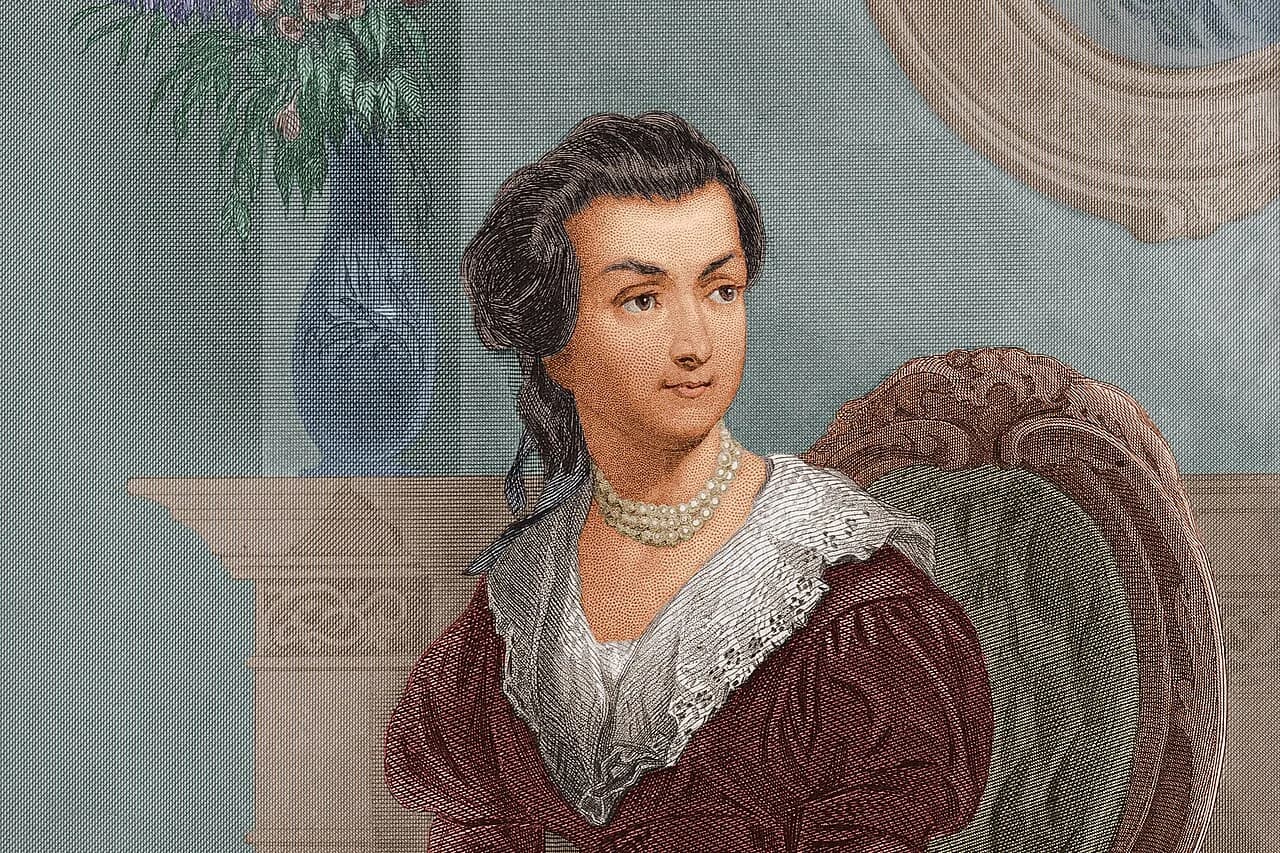
Abigail's choices reveal a depth of character that sets her apart from those around her. When Nabal's arrogance provokes David's wrath, a reasonable response might have been fear or inaction. Instead, Abigail takes matters into her own hands, demonstrating both courage and diplomacy. She approaches David directly, as recorded in 1 Samuel 25:23-24, risking her safety to plead for her household. Her speech, found in 1 Samuel 25:28-31, is a masterclass in negotiation, as she appeals to David's sense of justice and future as king, reminding him of the consequences of shedding innocent blood. In contrast, Nabal's folly and obstinacy starkly highlight Abigail's wisdom, as she maneuvers to save her household from destruction.

The modern view often reduces Abigail to a passive peacemaker, a simplification that overlooks her strategic acumen and active leadership. The text presents her not merely as a woman seeking peace but as a decisive actor whose interventions alter the course of events. Her decision to accept David’s marriage proposal after Nabal's death, as detailed in 1 Samuel 25:39-42, underscores her foresight and understanding of political realities. By aligning herself with David, she ensures security and influence, a move that reinforces her role as a savvy and forward-thinking individual. Abigail's story, when flattened, misses the complexity of her character — a woman who is not just reactive but proactive, not merely preventing violence but shaping her own destiny amidst the turbulent politics of the United Monarchy era.

The Significance of Abigail

Abigail's intervention in 1 Samuel 25 illustrates how wisdom and peacemaking can prevent divine judgment and violence, underscoring a preference for reconciliation over retribution. The Hebrew term for wisdom, חָכְמָה (chokmah), encapsulates Abigail's role as a mediator between David and her husband Nabal. When David set out with his men to avenge Nabal's insult, Abigail acted swiftly and wisely, bringing gifts and offering a plea for peace. Her actions are grounded in the theological argument that wisdom leads to peace and life, reflecting Proverbs 3:17-18. In 1 Samuel 25:28, she urges David to forgive, trusting that the Lord will establish a "sure house" for him, suggesting her insight into God's plans for David's future.

Abigail's story touches on several themes. First, her wisdom and prudence are evident as she averts a massacre by dissuading David from unnecessary violence, as seen in 1 Samuel 25:33. Her intervention demonstrates the critical role of prudence in leadership and conflict resolution. Furthermore, divine providence is a subtle yet powerful theme in this narrative. Abigail's timely actions suggest that God can use individuals to accomplish His purposes, as she herself acknowledges God's hand in preventing David from sinning (1 Samuel 25:26). Additionally, the contrast between Nabal's foolishness and Abigail's wisdom highlights the theme of judgment and mercy. Nabal's death, described in 1 Samuel 25:38, serves as divine judgment, while Abigail's household is spared, showcasing the protective power of wisdom.

Though Abigail's story does not directly intersect with the Messianic line or a gentile dimension, it does spotlight the significant impact women can have in the biblical narrative. Her decisive actions and persuasive speech underscore the influence women wield in fulfilling divine purposes, as evidenced by her eventual marriage to David, cementing her role in the unfolding story of Israel's monarchy. In 1 Samuel 25:18, her initiative in preparing a generous gift for David highlights her resourcefulness and strategic thinking. Abigail's story concludes with her becoming David's wife, a detail that underscores her transition from a peacemaker to a central figure within the royal narrative.

The Legacy of Abigail

In Jewish tradition, Abigail is celebrated as a paragon of wisdom and foresight, her story preserved in the biblical narrative of 1 Samuel 25. The Talmud, particularly in Megillah 15a, extols her intelligence and strategic thinking. Rabbis highlight her crucial role in averting bloodshed when she intervenes between her husband Nabal, described as "harsh and badly behaved" (1 Samuel 25:3), and David, who would later become king. The Midrash amplifies this view, portraying Abigail as a righteous woman whose decisive actions prevent disaster. She is not assigned a specific feast day in Jewish liturgy, but her narrative is woven into the annual cycle of Torah readings, reinforcing her status as an exemplar of wisdom and peacemaking.

Christian interpreters have often viewed Abigail through a different lens, seeing her as a prefiguration of the Church and a symbol of prudence and wise counsel. Church Fathers like Augustine interpreted her story as an allegory of the wise soul, capable of discerning and acting in accordance with divine will. During the Reformation, figures such as Martin Luther saw Abigail's intervention as illustrative of the virtues of peacemaking and sagacity in leadership. Her marriage to David was sometimes seen as a typological foreshadowing of the union between Christ and the Church, a theological interpretation that underscores her role as a mediator and advisor. Despite this rich tapestry of interpretation, Abigail does not have a specific feast day in the Catholic or Orthodox liturgical calendars, though her story remains a vital part of Old Testament readings.

Beyond religious contexts, Abigail's legacy extends into art and literature, where she is often cited as a symbol of beauty and intelligence. John Dryden's play "Absalom and Achitophel" uses her allegorically, and modern discussions of diplomacy and leadership frequently reference her as an example of effective conflict resolution. In contemporary culture, her name evokes themes of wisdom and strategic thinking, resonating in discussions about gender roles and leadership. Abigail's story touches on the enduring power of diplomacy and intelligence, offering a model for navigating challenges with grace and insight.