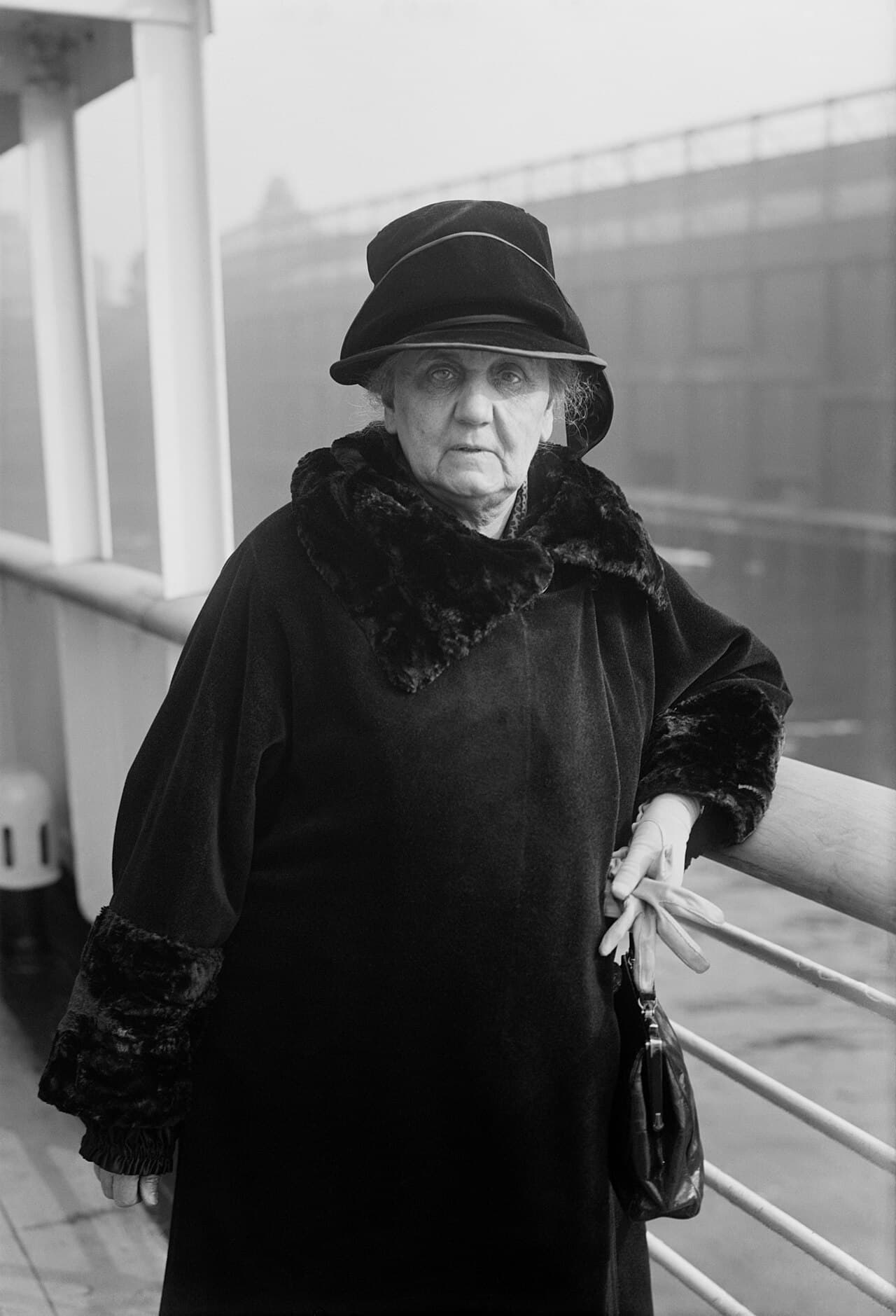
Jane Addams and Hull House
Christian Charity · Updated August 15, 2026
Overview
Jane Addams was the first American woman to win the Nobel Peace Prize, but she was also the first woman to receive an honorary degree from Yale University, a milestone that came 21 years before her Nobel award. She operated at the center of the Progressive Era, a period of sweeping reform when even U.S. presidents like Theodore Roosevelt and Woodrow Wilson branded themselves as activists. Addams stood out as a settlement organizer, social worker, and reformer in Chicago, dedicating her life to uplifting the poor and advancing women's suffrage.
In 1889, Addams co-founded Hull House in Chicago to provide critical social services to poor, largely immigrant families. The facility became one of the most famous settlement houses in America and established Addams as the founder of the social work profession in the United States. Her intellect matched her activism. She wrote the essay "Utilization of Women in City Government," arguing that municipal departments like sanitation and the schooling of children traced directly back to traditional women's roles in the private home. Academia recognized her sharp mind in 1910, when Yale University awarded her an honorary Master of Arts degree, making her the first woman ever to receive that honor. A radical pragmatist, she earned recognition as the first woman public philosopher in the nation. In 1920, she co-founded the American Civil Liberties Union to defend civil liberties during a tense post-World War I climate.
Addams received the Nobel Peace Prize in 1931, sharing the award with Nicholas Murray Butler. The prize capped a career of relentless peace advocacy that had earlier drawn fierce criticism during the first World War, when her anti-war stance alienated many former allies. She died in 1935, leaving Hull House as a permanent fixture in Chicago.
Jane Addams was the first American woman to win the Nobel Peace Prize, but she was also the first woman to receive an honorary degree from Yale University, a milestone that came 21 years before her Nobel award.