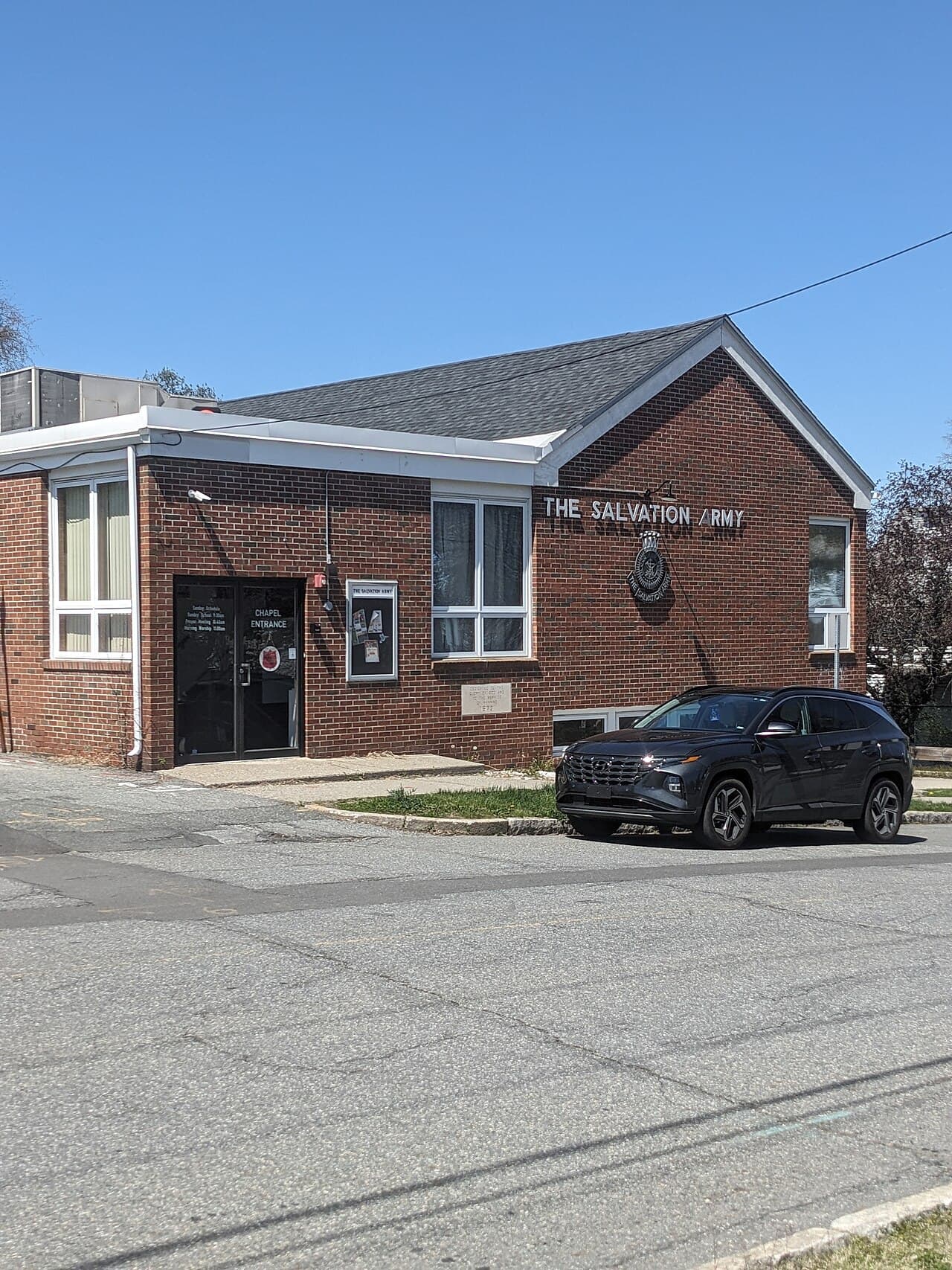
The Salvation Army
Fraternal Orders · Updated August 15, 2026
Overview
The Salvation Army does not baptize members or celebrate communion, making it one of the few Christian denominations that entirely rejects sacraments. This radical departure from mainstream Christian practice emerged from the Methodist revival tradition in Victorian London, where a preacher named William Booth and his wife Catherine Booth set out to save the bodies and souls of the city's most desperate people.
In 1865, William Booth founded the Christian Mission in London's East End, preaching to the poor, the hungry, and the destitute. The mission became The Salvation Army in 1878, adopting military ranks for its clergy , lieutenants, captains, majors, and generals , and calling its members soldiers. Booth, serving as the first General, structured the organization like an army fighting a war against poverty and sin. His son Bramwell Booth succeeded him as the second General. The Booths came from the Wesleyan-Holiness movement, rooted in Methodist theology, but they discarded the sacraments that other Methodist churches maintained. Instead of baptism and communion, the Army emphasized what it called the first work of grace , the New Birth , and the second work of grace, entire sanctification. The founders believed sacraments could become empty rituals that distracted from the real work of loving God and neighbor through direct action.
The organization expanded to the United States in 1880 and today operates in 133 countries with over 1.7 million salvationists. Its members run charity shops, homeless shelters, disaster relief programs, and humanitarian aid operations in developing nations , all expressions of the founders' original commitment to meeting physical and spiritual needs simultaneously.
The Salvation Army does not baptize members or celebrate communion, making it one of the few Christian denominations that entirely rejects sacraments.