The Dead Sea Scrolls

Church history

Overview

The story of the Dead Sea Scrolls begins with a twist of fate. In 1947, as the world was recovering from the turmoil of World War II, a young Bedouin shepherd named Muhammad edh-Dhib was tending to his flock near the arid cliffs of the Judean Desert. While searching for a lost goat, he stumbled upon a cave near the Dead Sea in the West Bank. Curiosity piqued, he cast a stone into the darkness of the cave and was surprised to hear the sound of breaking pottery. This accidental discovery would unravel one of the most remarkable archaeological finds of the 20th century.

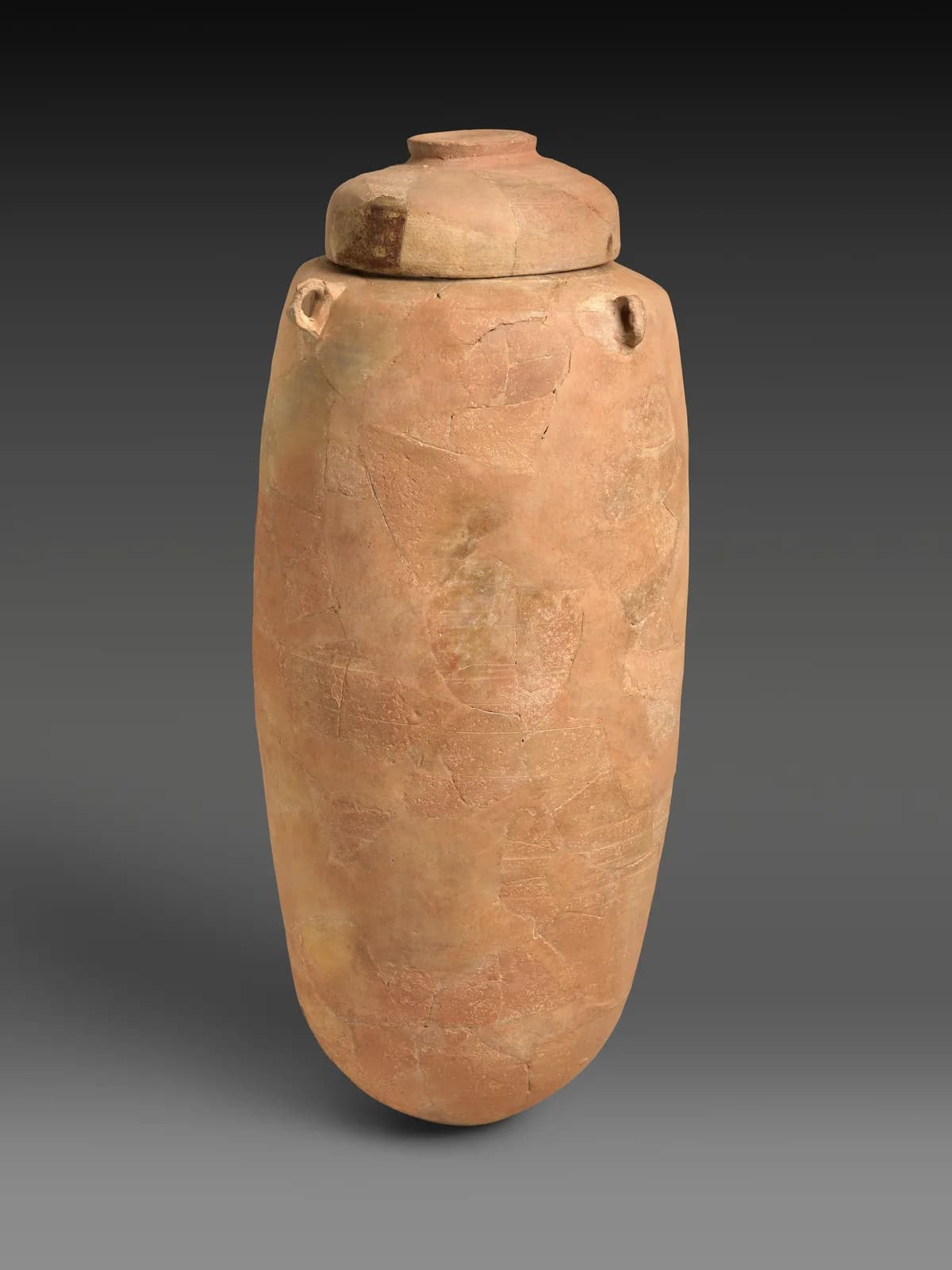
Inside the cave, Muhammad and his companions found a collection of ancient scrolls stored in clay jars, their significance not immediately understood. The scrolls were eventually sold to antiquities dealers, and word of their discovery spread, drawing the attention of scholars and archaeologists. The first scrolls were acquired by Eleazar Sukenik, an Israeli archaeologist, and Mar Samuel, the head of the Syrian Orthodox Church in Jerusalem, further fueling a race to uncover more scrolls in the surrounding Qumran Caves. Over the next few years, a total of eleven caves yielded nearly a thousand documents, including texts from the Hebrew Bible, apocryphal works, and unique sectarian writings. Dating from the third century BCE to the first century CE, these texts were predominantly written in Hebrew, with some in Aramaic and a few in Greek, offering an unprecedented window into the religious landscape of the time.

Today, the Dead Sea Scrolls are housed primarily at the Israel Museum in Jerusalem, where they continue to be studied and displayed. The scrolls have revolutionized our understanding of Jewish history and the origins of Christianity, shedding light on the diverse beliefs and practices during the Second Temple period. As scholars continue to analyze these texts with the aid of modern technology, they unravel new insights, ensuring that the scrolls remain an invaluable resource for understanding the ancient world.

The Dead Sea Scrolls were discovered by accident by a young Bedouin shepherd searching for a lost goat.

Common questions

What are the Dead Sea Scrolls?
The Dead Sea Scrolls are a collection of nearly a thousand ancient documents found in the Qumran Caves near the Dead Sea. They include texts from the Hebrew Bible, apocryphal works, and unique sectarian writings.
Why are the Dead Sea Scrolls important?
The Dead Sea Scrolls are important because they provide invaluable insights into Jewish history, religious practices, and the origins of Christianity during the Second Temple period. They have revolutionized our understanding of the religious landscape of that time.
Who discovered the Dead Sea Scrolls?
The Dead Sea Scrolls were discovered in 1947 by a young Bedouin shepherd named Muhammad edh-Dhib while he was searching for a lost goat near the Judean Desert.
What languages are the Dead Sea Scrolls written in?
The Dead Sea Scrolls are predominantly written in Hebrew, with some texts in Aramaic and a few in Greek.
How old are the Dead Sea Scrolls?
The Dead Sea Scrolls date from the third century BCE to the first century CE.
Where were the Dead Sea Scrolls found?
The Dead Sea Scrolls were found in a series of eleven caves near the Dead Sea in the West Bank, specifically in the Qumran Caves.
What do the Dead Sea Scrolls contain?
The Dead Sea Scrolls contain texts from the Hebrew Bible, apocryphal works, and unique sectarian writings that offer insights into the religious beliefs and practices of the time.
How do the Dead Sea Scrolls relate to the Bible?
The Dead Sea Scrolls include some of the oldest known copies of the Hebrew Bible, providing critical information on the textual history and variations of biblical texts.
What impact did the Dead Sea Scrolls have on biblical studies?
The Dead Sea Scrolls have had a profound impact on biblical studies by offering new insights into the textual history of the Bible and the religious context of the Second Temple period.
Are the Dead Sea Scrolls authentic?
Yes, the Dead Sea Scrolls are considered authentic and have been extensively studied and verified by scholars.
What is the connection between the Dead Sea Scrolls and the Qumran community?
The Dead Sea Scrolls are believed to be connected to the Qumran community, a Jewish sect that lived near the caves where the scrolls were found and likely authored some of the sectarian texts.
How have the Dead Sea Scrolls been preserved?
The Dead Sea Scrolls have been preserved through careful conservation efforts and are primarily housed at the Israel Museum in Jerusalem, where they are studied and displayed.
What do the Dead Sea Scrolls tell us about Judaism in the Second Temple period?
The Dead Sea Scrolls provide insights into the diverse beliefs, practices, and sects within Judaism during the Second Temple period, highlighting the complexity of religious life at the time.
Have all the Dead Sea Scrolls been translated?
Most of the Dead Sea Scrolls have been translated, but scholars continue to work on translating and interpreting the remaining fragments.
What controversies surround the Dead Sea Scrolls?
Controversies surrounding the Dead Sea Scrolls include debates over their interpretation, ownership, and the initial slow pace of publication and access to the texts for scholarly study.