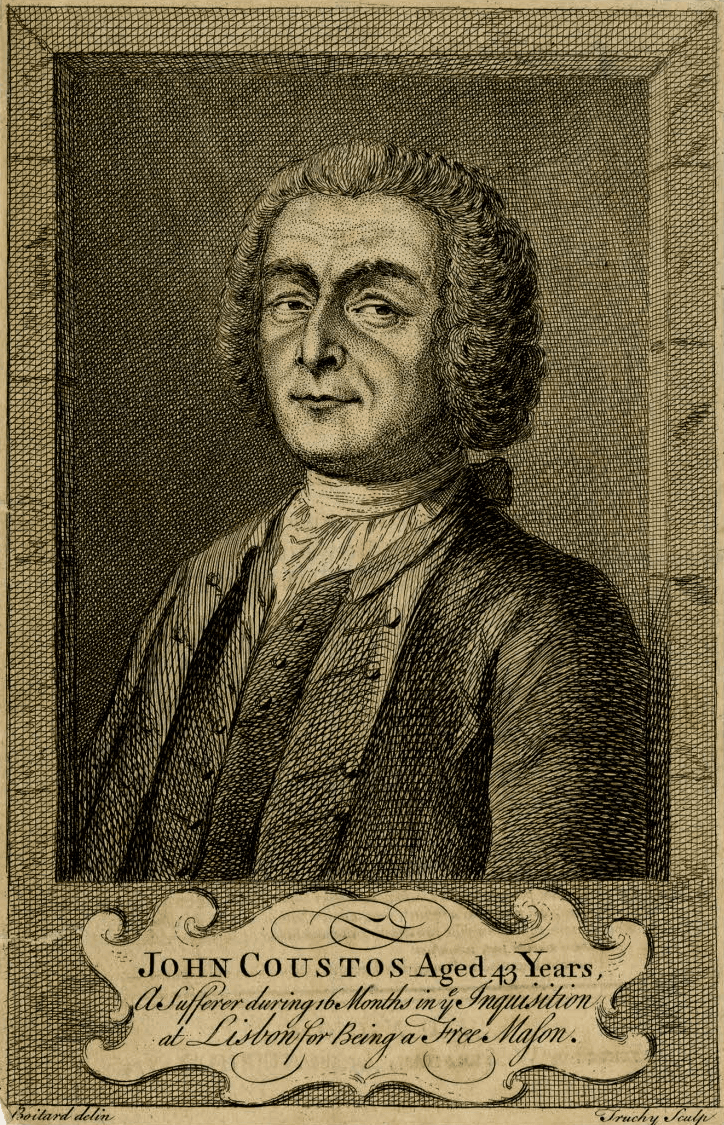
The Inquisition
Church history · Updated August 15, 2026
Overview
The Spanish Inquisition was not officially abolished until 1834, long after it had become largely inactive. The institution had already lost much of its influence and power by the time of its formal dissolution. Spain retained the legal and bureaucratic structures of religious censorship for centuries after 1478. The Inquisition had enforced Catholic orthodoxy, and its legal mechanisms continued to affect the social and religious fabric of Europe well into the 19th century.
Established in 1478 by the Catholic Monarchs Ferdinand II of Aragon and Isabella I of Castile, the Spanish Inquisition aimed to maintain Catholic orthodoxy in their kingdoms and to take control of the inquisitorial process, which had previously been under Papal authority. Tomas de Torquemada became the first Grand Inquisitor in 1483 and directed the tribunals that interrogated, tortured, and executed accused heretics. Public ceremonies known as "auto-da-fe" served as rituals of public penance for those condemned as heretics or apostates, and these ceremonies often ended in execution. The Inquisition's power began to wane during the Napoleonic Wars when Joseph Bonaparte, Napoleon's brother, briefly ruled Spain and suppressed the institution. The institution was revived after the wars and retained legal authority until its official abolition in 1834.
Historians study the Inquisition as a period in European history when religion, politics, and power intersected through state-run tribunals. Scholars examine its methods and motivations to document how religious institutions operated as instruments of state control over populations. Buildings and records from the Inquisition survive at historical sites across Spain, including tribunal halls and prison archives.
Why Fighting Over The Inquisition Was a Big Deal
The debates around the Inquisition concerned its methods, its victims, and the contest for authority between the Church and emerging nation-states. The struggle centered on who had the right to define religious truth and enforce it. The Church sought to maintain its traditional role as the arbiter of orthodoxy, while nation-states wanted to assert control over religious matters within their borders. Within the Church itself, factions also competed for influence as political entities began challenging ecclesiastical power.
In 1478, the establishment of the Spanish Inquisition by Ferdinand II of Aragon and Isabella I of Castile shifted inquisitorial authority from papal to royal control. With Pope Sixtus IV's approval, the Catholic Monarchs took the inquisitorial process into their own hands. Ferdinand saw this as a chance to consolidate royal authority and enforce religious unity in his kingdom. the Papacy, represented by figures like Pope Innocent III, defended the Inquisition as a means of suppressing heresy and maintaining the Church's spiritual authority. Reformers such as Martin Luther criticized these methods, advocating for religious reform and the protection of individual rights. Each side stood to gain or lose depending on who controlled the enforcement of faith.
The formal abolition of the Spanish Inquisition occurred in 1834, but the underlying conflict over the balance of power between religious authority and state governance persisted. The debate over individual rights versus institutional control continues in present-day legal and political discussions. the Inquisition formed part of an ongoing dispute on power and belief. Buildings and records from the inquisitorial period remain in historical sites throughout Spain.
Continue reading with a Scholar plan
Upgrade to ScholarCommon questions
- What was the purpose of the Inquisition?
- The purpose of the Inquisition was to maintain Catholic orthodoxy and enforce religious conformity, primarily by identifying and punishing heretics and apostates.
- Who led the Spanish Inquisition?
- The Spanish Inquisition was led by Tomas de Torquemada, who was appointed as the first Grand Inquisitor in 1483.
- How did the Inquisition start?
- The Spanish Inquisition was established in 1478 by Ferdinand II of Aragon and Isabella I of Castile, with the approval of Pope Sixtus IV, to consolidate royal authority and enforce religious unity.
- What were the methods used during the Inquisition?
- The Inquisition used methods such as interrogation, torture, and public ceremonies called 'auto-da-fé' for public penance, often leading to execution.
- Why did the Catholic Church carry out the Inquisition?
- The Catholic Church carried out the Inquisition to combat heresy and maintain its spiritual authority as the arbiter of religious truth.
- What were the main outcomes of the Inquisition?
- The Inquisition reinforced Catholic orthodoxy, consolidated royal power, and left a legacy of fear and control over religious and social life in Europe.
- Which countries were affected by the Inquisition?
- The Inquisition primarily affected Spain, but its influence extended to other parts of Europe and Spanish colonies.
- How did the Inquisition end?
- The Spanish Inquisition was officially abolished in 1834 after losing much of its power and influence, particularly during the Napoleonic Wars.
- What role did the Inquisition play in the Protestant Reformation?
- The Inquisition played a role in the Protestant Reformation by attempting to suppress reformist ideas and maintain Catholic orthodoxy against Protestant challenges.
- What is the difference between the Spanish and Roman Inquisitions?
- The Spanish Inquisition was controlled by the Spanish monarchy to enforce religious unity, while the Roman Inquisition was established by the Papacy to combat heresy throughout the Catholic Church.
- Who were the main targets of the Inquisition?
- The main targets of the Inquisition were heretics, apostates, Jews, Muslims, and later, Protestants.
- How did the Inquisition impact Jewish communities?
- The Inquisition led to the persecution, forced conversion, and expulsion of Jews from Spain, severely impacting Jewish communities.
- What were the punishments during the Inquisition?
- Punishments during the Inquisition included public penance, imprisonment, torture, and execution, often by burning at the stake.
- How did the Inquisition influence modern legal systems?
- The Inquisition's use of legal procedures, such as interrogation and evidence gathering, influenced the development of modern legal systems, though its methods are now viewed as unjust.
- What was the relationship between the Inquisition and the witch trials?
- The Inquisition and witch trials both involved the persecution of individuals accused of heresy or witchcraft, using similar methods of interrogation and punishment.