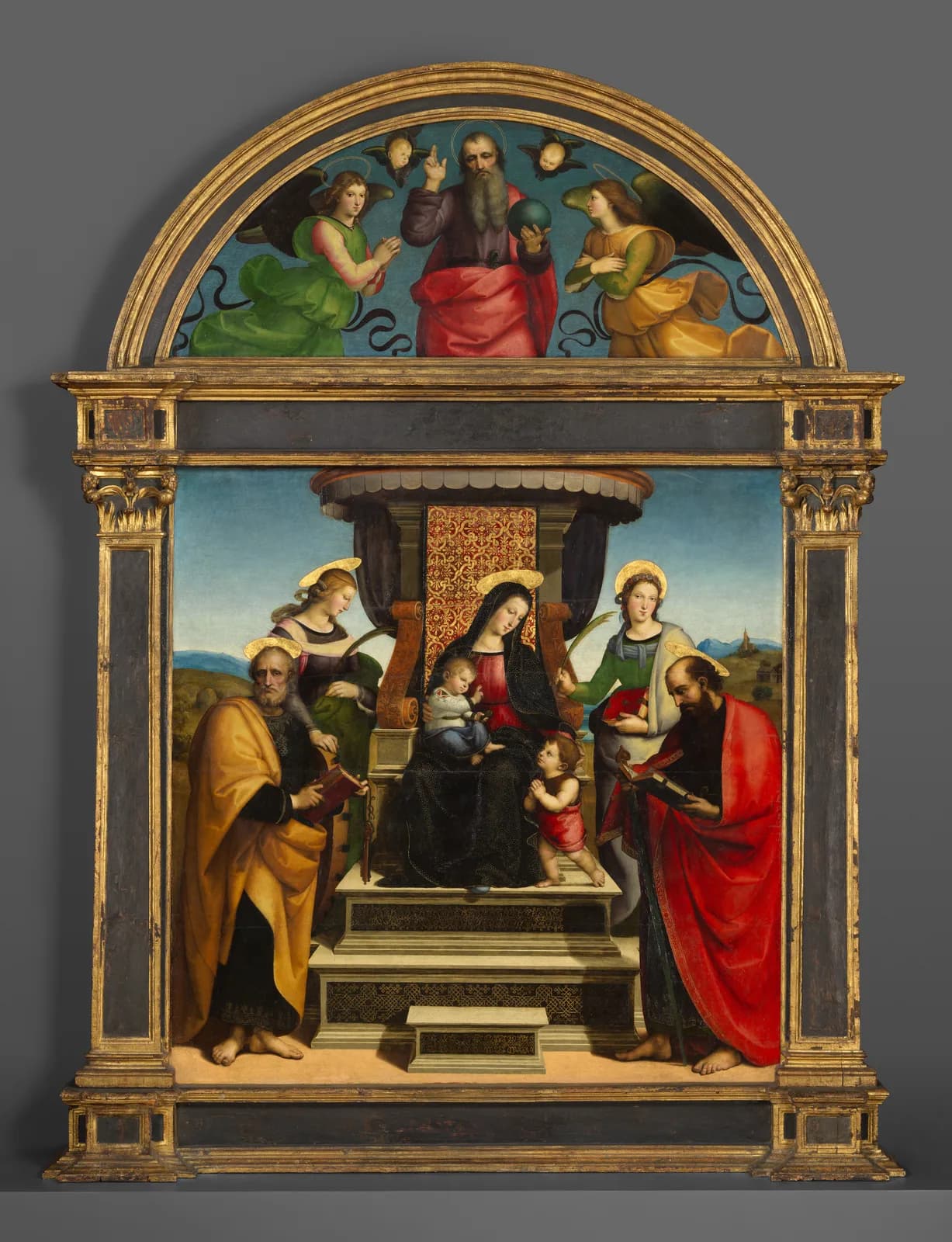
All Saints Day
Holidays & seasons · Updated August 15, 2026
Overview
All Saints Day, a Christian festival honoring all saints, both known and unknown, was not always observed on November 1st. Originally, it was celebrated on May 13th, a date established in 609 AD by Pope Boniface IV to provide a collective feast day for saints who lacked individual celebrations. However, in a strategic move to make Christianity more palatable to pagans, the date was later shifted to align with a pagan festival. This change aimed to ease the transition for converts by integrating Christian observances with pre-existing pagan traditions.
Pope Gregory III orchestrated the transition from May to November in the 8th century. He moved the celebration to November 1st to coincide with the dedication of an oratory in St. Peter's Basilica, meant to honor the relics of the holy apostles and all saints. This decision also conveniently aligned All Saints Day with the Celtic festival of Samhain, a time when pagans believed the boundary between the living and the dead was thinnest. By synchronizing the Christian festival with Samhain, the Church sought to absorb and transform the pagan customs into a Christian context, facilitating easier conversion for the Celtic peoples.
Today, All Saints Day remains an observance within the Christian calendar, particularly in the Catholic Church, where it is a Holy Day of Obligation, requiring Catholics to attend Mass. However, the Eastern Orthodox Church continues to celebrate All Saints Day on the first Sunday after Pentecost, maintaining a different tradition. The November 1st celebration persists as a hallmark of the Catholic liturgical year, reflecting both its historical roots and its strategic evolution.
All Saints Day was originally celebrated in May, not November, and was moved to coincide with a pagan festival to help convert pagans to Christianity.
Why Fighting Over All Saints Day Was a Big Deal
The clash over All Saints Day was a struggle over who held the power to shape religious and cultural identity. This conflict centered on the Church's authority to redefine the liturgical year and its move to weave pagan traditions into Christian practice. The Church aimed to subsume local customs into a broader Christian framework. Power dynamics determined who could dictate the terms of religious observance across Europe.
In 835 AD, Pope Gregory IV officially declared November 1 as All Saints Day. This decision by the Roman Catholic Church, led by Gregory himself, consolidated religious practices under its umbrella. The Church gained control over regional traditions by unifying the Christian observance with existing pagan festivities. Local pagan leaders, such as chieftains and druids, resisted this imposition, fighting to preserve their ancestral customs and maintain cultural autonomy. Meanwhile, reformers like Martin Luther would later decry this blend of pagan and Christian practices, calling for a purer form of Christianity. The Church needed the change to stick to assert its authority, while the pagans and reformers saw it as a threat to their identity and beliefs.
Despite the Church's efforts, the controversy over integrating pagan customs into Christian practices remains unresolved. This issue still sparks debates about the nature of religious authority and the limits of cultural assimilation. While the Roman Catholic Church's decision to set All Saints Day on November 1 persists, the underlying tensions between centralized power and local traditions still surface in discussions about religious and cultural identity today. The continued celebration of All Saints Day on different dates within various branches of Christianity shows that this ancient conflict over cultural authority is far from settled.
Continue reading with a Scholar plan
Upgrade to ScholarCommon questions
- What is All Saints Day?
- All Saints Day is a Christian festival that honors all saints, both known and unknown. It is primarily observed on November 1st in the Western Christian tradition.
- How does All Saints Day relate to Halloween?
- Halloween, or All Hallows' Eve, is the evening before All Saints Day and historically marked the beginning of the observance, with traditions evolving from the blending of Christian and pagan customs.
- What are some common customs for All Saints Day around the world?
- Common customs for All Saints Day include attending church services, lighting candles, visiting cemeteries, and holding community gatherings or festivals to honor the saints.