The Beguines
Monastic Orders · Updated August 15, 2026
Overview
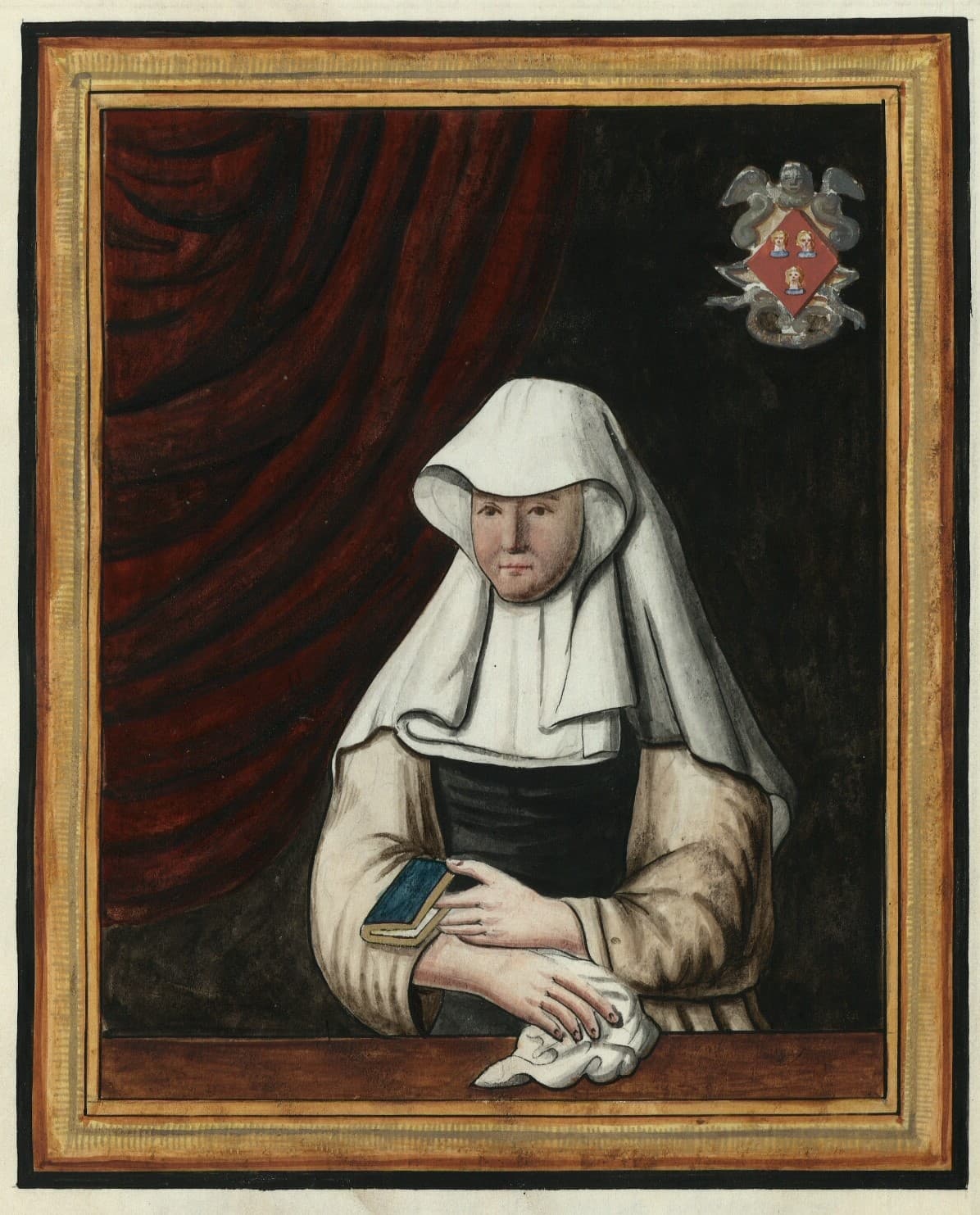
The Beguines were women who lived in semi-monastic communities without taking formal religious vows, meaning they could leave and marry whenever they chose. They emerged in the 13th century across the Low Countries, concentrated in present-day Belgium, the Netherlands, and northern France. Unlike traditional nuns, Beguines lived as lay people under local bishops rather than monastic authorities. An early Rule of Life captured their temporary commitment perfectly, stating that members promised not to marry only "as long as they lived as Beguines." This freedom defined the movement and set it apart from every other religious community of the era.
Around 1206, a noblewoman named Marie d'Oignies and several companions began living a life of voluntary poverty, prayer, and service near Lige without entering a conventional convent. A bishop and preacher named Jacques de Vitry defended their way of life and wrote about Marie, helping the movement gain official approval. By 1230, Beguine communities had spread rapidly across the region, building enclosed settlements called beguinages where women dedicated themselves to caring for the poor and sick. A mystic named Hadewijch of Brabant produced influential writings about divine love from inside these communities. Men called Beghards joined a parallel movement with similar practices, though the women's communities proved far more numerous and enduring.
Trouble arrived at the Council of Vienne from 1311 to 1312, when church authorities condemned certain Beguine and Beghard groups accused of heresy, though orthodox Beguines largely carried on. The devastating blow came centuries later. Beguine communities declined sharply during the 16th-century Reformation, as changing religious and political landscapes made their semi-monastic way of life untenable. Some beguinages survived in Belgian cities like Bruges and Ghent into modern times, with the last traditional Beguine, Marcella Pattyn, dying in 2013.
The Beguines were women who lived in semi-monastic communities without taking formal religious vows, meaning they could leave and marry whenever they chose.