The Dominicans
Monastic Orders · Updated August 15, 2026
Overview
The Dominican Order was founded as a preaching order to combat the Cathar movement in southern France. In the early thirteenth century, the Cathars had built a parallel religious society that rejected Catholic teachings on the sacraments, the priesthood, and material creation, and refused to recognize the authority of the Catholic Church. Dominic de Guzman, a Castilian priest born around 1170, arrived in the region and saw that the church's military campaigns, including the Albigensian Crusade launched in 1209, had not stopped Cathar expansion. He proposed a strategy of theological education and public disputation to counter Cathar preachers, who won converts through ascetic living and doctrinal argument.
Dominic began his anti-heresy campaign around 1206, gathering followers committed to learning and public debate. His approach won converts back to Catholic doctrine, and he sought official backing to expand the effort. Pope Honorius III granted that approval on December 22, 1216, giving the group formal standing as a religious order under the name Ordo Praedicatorum, or Order of Preachers. Dominic sent his first friars to the university cities of Paris and Bologna in 1217, placing the order in the intellectual centers of medieval Europe. The first general chapter convened in Bologna in 1220, establishing a governance structure built on mendicant poverty and democratic elections of priors. The order's commitment to scholarship produced Thomas Aquinas, author of the Summa Theologiae, and Albertus Magnus, who wrote commentaries on Aristotle, and both shaped the scholastic movement that dominated European universities for centuries.
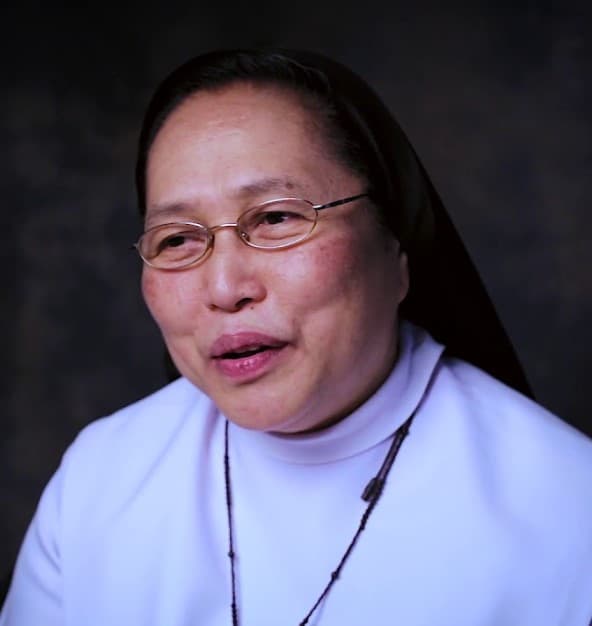
The Order of Preachers today includes friars, nuns, active sisters, and lay members who continue the original mission of study and teaching. As of 2024, the order counted 5,369 friars worldwide, 4,073 of them ordained priests. Gerard Timoner III, born in 1968, serves as the current master of the order, having taken office in 2022.