Genesis 2:4-3:24 · Genesis · Updated April 25, 2026
Adam & Eve / Fall
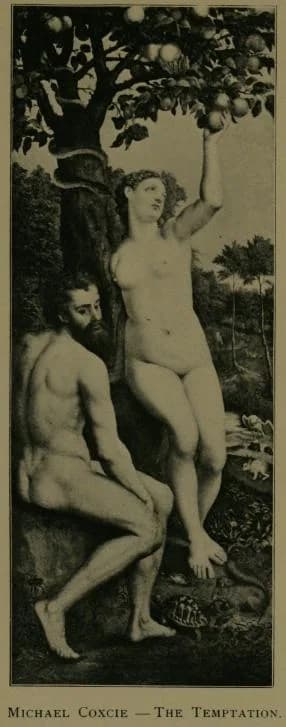
In Genesis 2:4-3:24, God creates man from the dust and places him in the Garden of Eden, where he is tasked with tending it. God forms woman from man's rib, and they live naked and unashamed. The serpent tempts the woman to eat from the forbidden tree of knowledge, leading to the fall of man. As a result, God curses the serpent, the woman, and the man, and expels them from Eden.
Summary
The passage from Genesis describes the Creation of the first humans, Adam and Eve, and the events leading to their expulsion from the Garden of Eden. It explains the origins of humanity and the introduction of sin into the world. God creates Adam from the dust and breathes life into him (2:7). Adam is placed in the Garden of Eden, where every tree is available for food except the tree of the knowledge of good and evil, which God forbids Adam to eat from, warning that eating from it would lead to death (2:17). God then creates Eve from Adam's rib to be his companion (2:22).
The serpent, described as more cunning than any other creature, approaches Eve. The serpent questions God's command and convinces Eve that eating the forbidden fruit will not lead to death but will open their eyes to knowledge (3:4-5). Eve eats the fruit and gives some to Adam, who also eats (3:6). They realize they are naked, prompting them to sew fig leaves together for clothing (3:7). When God walks in the garden, Adam and Eve hide. God questions them, and they admit their disobedience, blaming each other and the serpent (3:12-13).
As a result of their actions, God pronounces curses: the serpent must crawl on its belly, enmity arises between the serpent and the woman, and Eve will experience pain in childbirth and be ruled by her husband (3:14-16). Adam is told that the ground is cursed because of him, and he will toil for food until he returns to dust (3:17-19). God makes garments of skin for Adam and Eve and expels them from the garden to prevent them from eating from the tree of life and living forever (3:21-23). Cherubim and a flaming sword guard the way to the tree of life (3:24). The passage concludes with the expulsion of Adam and Eve, establishing their separation from the divine presence in Eden. Genesis 2:4-3:24 primarily establishes the introduction of sin into the world through the disobedience of Adam and Eve. This disobedience has implications, notably the loss of innocence and the beginning of human suffering. The act of eating from the tree of the knowledge of good and evil changes their understanding, as seen in their immediate realization of nakedness (3:7), symbolizing a loss of purity and the birth of shame. This moment alters their relationship with God, leading to their expulsion from Eden and setting the stage for a world where humans must toil and suffer, estranged from the divine presence (3:23-24).
Chiastic structure
ⓘGenesis 2:7-8
“And the LORD God formed man of the dust of the ground, and breathed into his nostrils the breath of life; and man became a living soul. And the LORD God planted a garden eastward in Eden; and there he put the man whom he had formed.”
Genesis 3:6
“And when the woman saw that the tree was good for food, and that it was pleasant to the eyes, and a tree to be desired to make one wise, she took of the fruit thereof, and did eat, and gave also unto her husband with her; and he did eat.”
Genesis 3:23-24
“Therefore the LORD God sent him forth from the garden of Eden, to till the ground from whence he was taken. So he drove out the man; and he placed at the east of the garden of Eden Cherubims, and a flaming sword which turned every way, to keep the way of the tree of life.”
A and A' mirror each other through the theme of creation and expulsion from the garden.
Interpretation and theological stakes
Continue reading with a Scholar plan
Upgrade to Scholar