Genesis 1:1-2:3 · Genesis

Creation

In the beginning, God creates the heavens and the earth, forming light, sky, land, vegetation, celestial bodies, sea creatures, birds, land animals, and humans. God rests on the seventh day, blessing and sanctifying it.

Summary

The passage from Genesis 1:1-2:3 is the biblical account of the creation of the world, detailing how God brought everything into existence. It begins with God creating the heaven and the earth at the very start of time (1:1). Initially, the earth is described as formless and empty, with darkness covering the deep waters, while the Spirit of God moves over the surface (1:2). This sets the stage for the sequential acts of creation that follow.

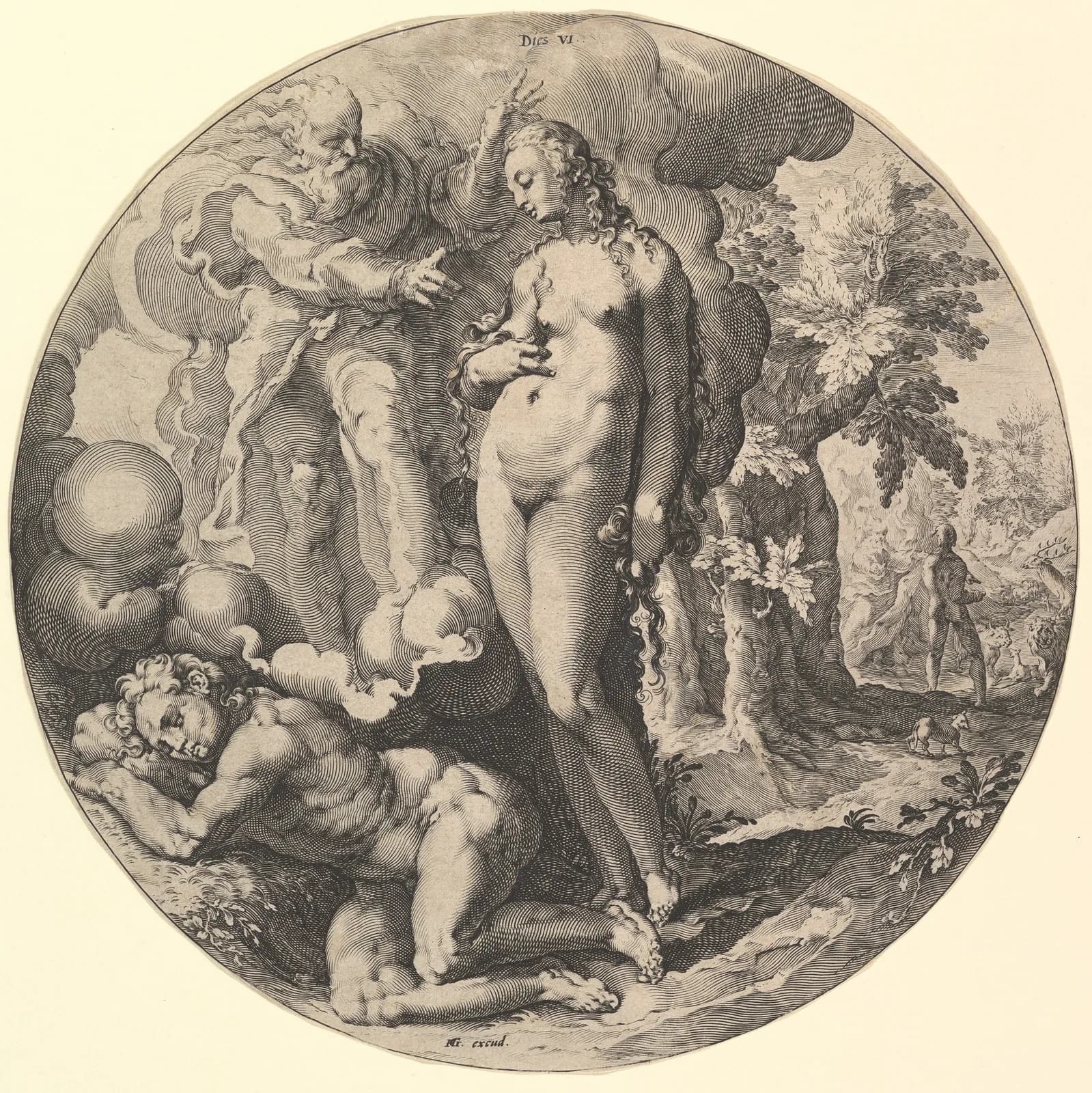
Over six days, God systematically creates the world. On the first day, God creates light, separating it from darkness and naming them Day and Night (1:3-5). The second day involves creating the firmament, called Heaven, to divide the waters (1:6-8). On the third day, God gathers the waters, allowing dry land to appear, and calls them Earth and Seas; He also creates vegetation (1:9-13). The fourth day sees the creation of celestial bodies, including the sun, moon, and stars, to mark time and illuminate the earth (1:14-19). On the fifth day, God creates sea creatures and birds, blessing them to multiply (1:20-23). The sixth day involves creating land animals and humankind in His image, granting them dominion over the earth and instructing them to be fruitful and multiply (1:24-28). God provides every plant for food and sees everything as very good (1:29-31).

The passage concludes with the seventh day, when God finishes His work and rests, blessing and sanctifying this day as a day of rest (2:1-3). The final state of affairs is a completed creation, with everything in place and functioning as intended. The passage itself establishes the significance of the seventh day as a day of rest, marking the completion of creation.

Chiastic structure

A

Genesis 1:1

In the beginning God created the heaven and the earth.

B

Genesis 1:26-28

Let us make man in our image, after our likeness: and let them have dominion...

A'

Genesis 2:1-3

Thus the heavens and the earth were finished, and all the host of them.

Both A and A' focus on the creation of the heavens and the earth, and their completion, with A' emphasizing the completion and rest.

Interpretation and theological stakes

The primary conclusion of Genesis 1:1-2:3 is that God is the sovereign creator of the universe, who establishes order and purpose within creation. This passage underscores God's authority and intentionality, as He systematically brings the cosmos into existence and declares it "very good" (1:31). This creation account is foundational because it frames the world as a product of divine wisdom and power, setting the stage for the rest of biblical narrative. The passage culminates in the sanctification of the seventh day, emphasizing rest and completion (2:3). This rest is not due to fatigue but signifies the perfection and fulfillment of God's creative work.

The Reformed Protestant interpretation emphasizes the unique role of humanity as bearing the image of God, which implies a reflection of God's attributes and dominion over creation. This view draws heavily from Genesis 1:26-28, where humanity is given the mandate to "subdue" the earth and "have dominion" over all living things. The text highlights the relational aspect of being made in God's image, suggesting that humans are called to mirror God's character, exercising stewardship over the created order. This perspective sees the creation story as establishing human responsibility and authority under God's sovereignty.

In contrast, the Eastern Orthodox tradition interprets the image of God as the potential for humans to grow into the likeness of God, focusing on spiritual development and transformation. For Eastern Orthodox readers, Genesis 1:27 is not just about dominion but points to a dynamic process of becoming more like God. This interpretation places less emphasis on authority over creation and more on the capacity for holiness and communion with God. The text is read as an invitation for humanity to participate in the divine nature, emphasizing growth and maturation in spiritual life.

Considering both interpretations reveals a multifaceted understanding of humanity's role in creation. While the Reformed view stresses dominion and stewardship, the Orthodox perspective highlights spiritual potential and transformation. Together, these readings suggest that being made in God's image encompasses both the responsibility to care for the world and the potential to cultivate a deeper relationship with the Creator. The creation narrative, therefore, not only establishes the order of the physical world but also points to the profound relational and spiritual dimensions of human existence. This dual focus enriches the understanding of what it means to be human in the context of God's creation.

Continue reading with a Scholar plan

Upgrade to Scholar