Genesis 4:1-16 · Genesis · Updated April 25, 2026
Cain & Abel
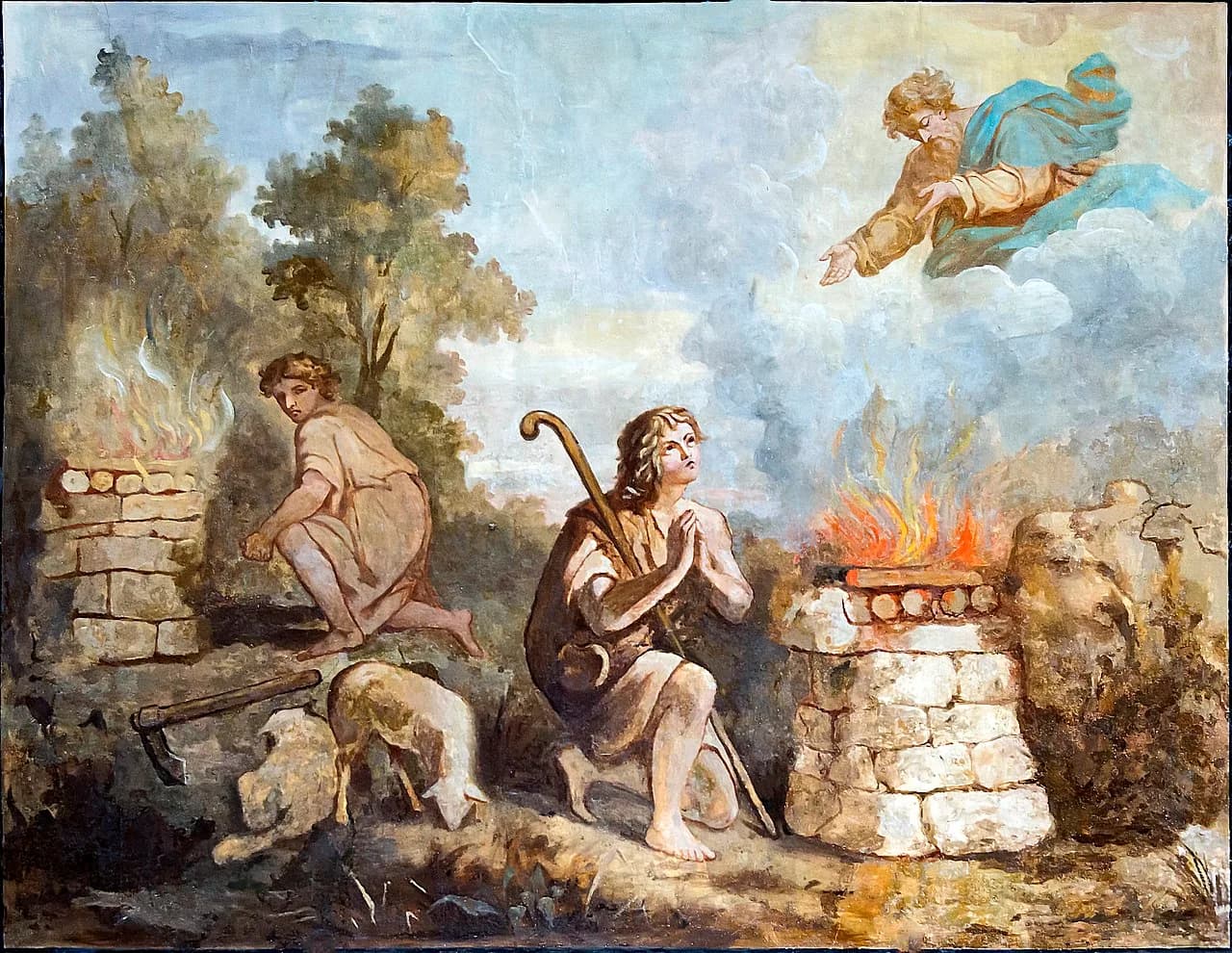
Adam and Eve have two sons, Cain and Abel. Cain, a farmer, and Abel, a shepherd, both offer sacrifices to God, but God favors Abel's offering. In anger, Cain kills Abel and is subsequently cursed by God, becoming a fugitive.
Summary
The story of Cain and Abel in Genesis 4:1-16 is a foundational narrative about the first siblings and the consequences of jealousy and violence. Adam and Eve, the first humans, form the backdrop of this tale as their sons, Cain and Abel, come into the world. Cain, the firstborn, becomes a farmer, tilling the ground, while his brother, Abel, becomes a shepherd, tending sheep (Genesis 4:2). Both brothers make offerings to the Lord: Cain brings produce from the land, and Abel offers the firstborn of his flock (Genesis 4:3-4).
God favors Abel's offering over Cain's, leading to Cain's anger and dejection (Genesis 4:4-5). God questions Cain about his anger and warns him about sin's proximity, encouraging him to do well (Genesis 4:6-7). Despite the warning, Cain invites Abel to the field, where he attacks and kills him (Genesis 4:8). God confronts Cain, asking about Abel's whereabouts, to which Cain responds with denial and defiance, saying, "Am I my brother's keeper?" (Genesis 4:9). God reveals that Abel's blood cries out from the ground and curses Cain to a life of hardship and wandering (Genesis 4:10-12).
Cain expresses despair over his punishment, fearing for his life as a fugitive (Genesis 4:13-14). God assures Cain that he will be protected by placing a mark on him, ensuring that anyone who kills Cain will face sevenfold vengeance (Genesis 4:15). Cain then goes away from God's presence and settles in the land of Nod, east of Eden (Genesis 4:16). The passage establishes the gravity of sin and its consequences, as well as God's continued concern for humanity, even in judgment. The text suggests that Cain's anger and subsequent actions led to his downfall. God's favoring of Abel's offering over Cain's (4:4-5) sets the stage for Cain's internal struggle. The narrative emphasizes personal responsibility (4:7). Cain's failure to master his emotions results in fratricide, marking the first recorded murder. God's judgment on Cain demonstrates both the severity of sin's consequences and the persistence of divine mercy.
Chiastic structure
ⓘGenesis 4:2-3
“Cain was a tiller of the ground... Cain brought of the fruit of the ground an offering unto the LORD.”
Genesis 4:7
“If thou doest well, shalt thou not be accepted? and if thou doest not well, sin lieth at the door.”
Genesis 4:11-12
“And now art thou cursed from the earth... When thou tillest the ground, it shall not henceforth yield unto thee her strength.”
Both A and A' involve Cain's relationship with the ground and the consequences of his actions.
Interpretation and theological stakes
Continue reading with a Scholar plan
Upgrade to Scholar