1 Kings 18:20-40 · 1 Kings · Updated April 25, 2026
Elijah vs Prophets of Baal
Elijah challenges the prophets of Baal to a contest on Mount Carmel to prove who is the true God. The prophets of Baal fail to summon their god, while Elijah calls upon the LORD, who sends fire to consume the sacrifice. The people acknowledge the LORD as God, and Elijah orders the execution of the prophets of Baal.
Summary
This passage from 1 Kings 18:20-40 describes a dramatic confrontation on Mount Carmel between the prophet Elijah and the prophets of Baal, a prominent Canaanite deity. During the reign of King Ahab, Israel was torn between worshiping the LORD and Baal. Elijah, a prophet of the LORD, challenges the people to choose whom they will follow (18:21). To settle the matter, Elijah proposes a test to demonstrate which deity is real. He and the 450 prophets of Baal will each prepare a bull for sacrifice without lighting a fire. The true God will be the one who answers by sending fire to consume the offering (18:24).
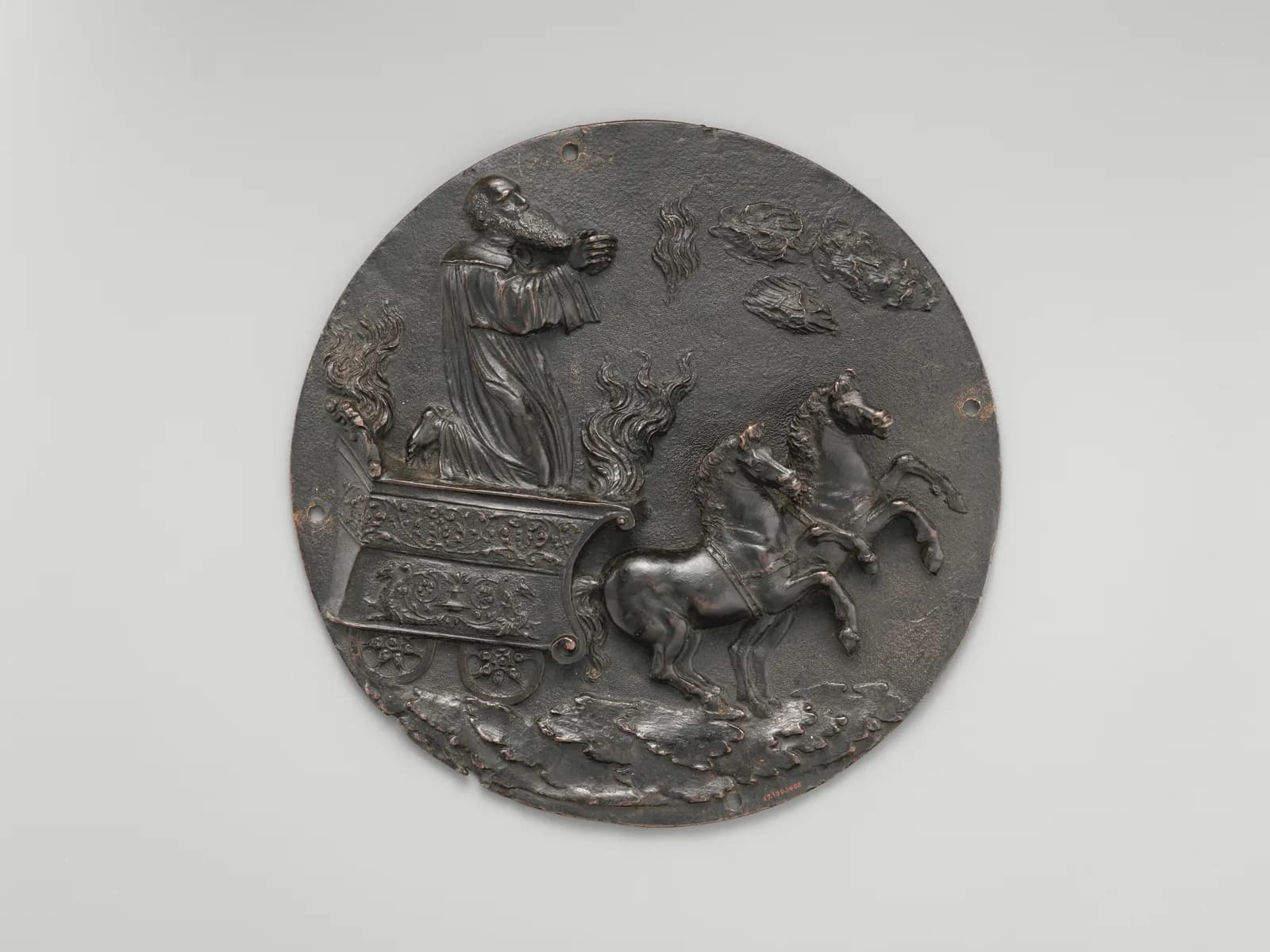
The prophets of Baal go first, calling on their god from morning until noon without success. Elijah mocks them, suggesting that Baal might be busy or asleep (18:27). Despite their frantic rituals, including self-mutilation, there is no response from Baal (18:29). Elijah then repairs the altar of the LORD, using twelve stones to represent the tribes of Israel, and prepares his bull. He drenches the altar with water three times, filling a trench around it (18:33-35). At the time of the evening sacrifice, Elijah prays for the LORD to reveal Himself as the true God. Immediately, fire falls from heaven, consuming the offering, the wood, the stones, and even the water in the trench (18:38).
The people, witnessing this miraculous event, fall on their faces and acknowledge the LORD as the true God (18:39). Elijah commands that the prophets of Baal be seized and taken to the brook Kishon, where they are executed (18:40). The passage concludes with the people of Israel affirming their faith in the LORD, establishing the LORD's supremacy over Baal and reaffirming Elijah's role as His prophet.
Chiastic structure
ⓘ1 Kings 18:20-24
“Ahab sent unto all the children of Israel, and gathered the prophets together unto mount Carmel... the God that answereth by fire, let him be God.”
1 Kings 18:36-37
“LORD God of Abraham, Isaac, and of Israel, let it be known this day that thou art God in Israel... that this people may know that thou art the LORD God.”
1 Kings 18:38-40
“Then the fire of the LORD fell, and consumed the burnt sacrifice... The LORD, he is the God; the LORD, he is the God.”
Both A and A' involve the gathering of people and the demonstration of God's power, contrasting the failure of Baal's prophets with the success of Elijah's invocation of the LORD.
Interpretation and theological stakes
Continue reading with a Scholar plan
Upgrade to Scholar