Matthew 28:1-10 · Matthew · Updated April 25, 2026
Empty Tomb
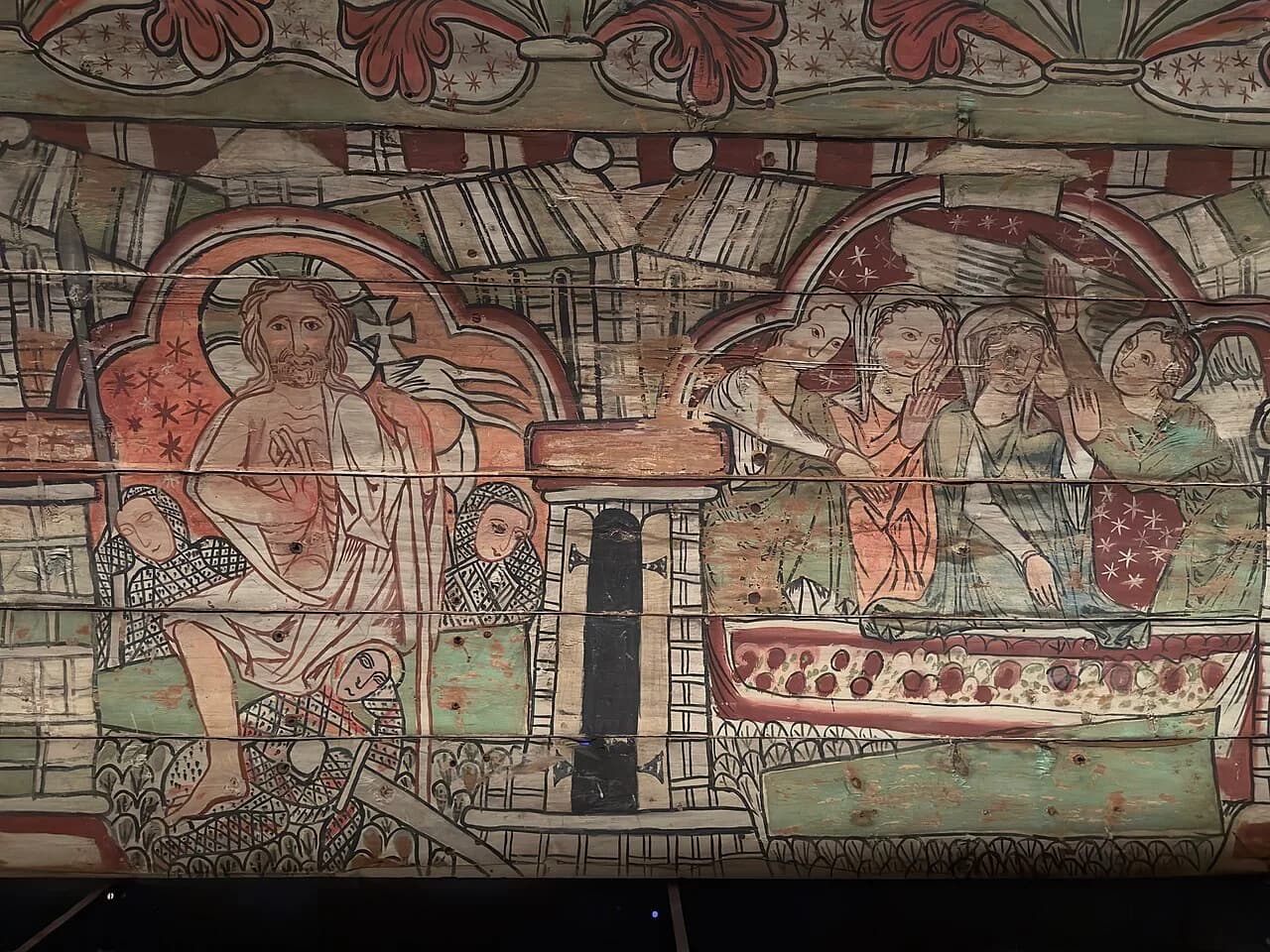
Mary Magdalene and the other Mary visit the tomb of Jesus and find it empty after an angel rolls away the stone. The angel tells them Jesus has risen and instructs them to inform the disciples. As they leave, Jesus appears to them and reassures them, asking them to tell his disciples to meet him in Galilee.
Summary
Matthew 28:1-10 describes the discovery of Jesus' Empty Tomb, a significant moment in the Christian narrative. Mary Magdalene and the other Mary visit Jesus' tomb early on the first day of the week, just after the Sabbath has ended (28:1). They arrive intending to see the sepulchre, setting the stage for the events that follow.
As the women approach, a great earthquake occurs, and an angel of the Lord descends from Heaven. The angel rolls back the stone from the tomb's entrance and sits on it, his appearance dazzling like lightning and his clothes white as snow (28:2-3). The guards at the tomb are so terrified that they become like dead men (28:4). The angel tells the women not to be afraid and informs them that Jesus, who was crucified, is not there because he has risen (28:5-6). The angel instructs them to quickly tell Jesus' disciples that he has risen and will meet them in Galilee (28:7). The women leave the tomb with a mix of fear and joy, running to deliver the message to the disciples (28:8).
As the women hurry to tell the disciples, Jesus himself meets them on the way. He greets them, and they respond by worshiping him, holding his feet (28:9). Jesus reassures them, telling them not to be afraid and instructing them to inform his "brethren" to go to Galilee, where they will see him (28:10). The passage concludes with the women tasked with delivering Jesus' message, establishing the risen Jesus' intention to reunite with his followers in Galilee. Matthew 28:1-10 establishes the foundational Christian belief that Jesus rose from the dead, marking a victory over death. The text details the angel's announcement that Jesus is not in the tomb because he has risen (28:6). This moment is crucial because it validates Jesus' prior predictions of his resurrection, reinforcing his divine authority and the truth of his teachings. The encounter between the women and the risen Jesus further solidifies the resurrection as a tangible reality, not a metaphorical or spiritual occurrence, as they physically hold his feet and worship him (28:9). This passage, therefore, asserts the resurrection as an event that transforms despair into hope, anchoring Christian faith in the reality of Jesus' victory over death.
Chiastic structure
ⓘMatthew 28:1-5
“Mary Magdalene and the other Mary... the angel of the Lord... said unto the women, Fear not ye: for I know that ye seek Jesus, which was crucified.”
Matthew 28:6-7
“He is not here: for he is risen, as he said. Come, see the place where the Lord lay. And go quickly, and tell his disciples that he is risen from the dead...”
Matthew 28:8-10
“And as they went to tell his disciples, behold, Jesus met them... Then said Jesus unto them, Be not afraid: go tell my brethren...”
Both A and A' involve the women encountering divine messengers and receiving instructions about Jesus' resurrection and where to meet him.
Interpretation and theological stakes
Continue reading with a Scholar plan
Upgrade to Scholar