Matthew 13:44-46 · Matthew · Updated April 25, 2026
Hidden Treasure & Pearl
In Matthew 13:44-46, Jesus compares the kingdom of heaven to a hidden treasure in a field and a pearl of great price. A man finds the treasure and sells all he has to buy the field, while a merchant sells everything to purchase the valuable pearl.
Summary
The passage from the Gospel of Matthew is part of Jesus' teachings, using parables to communicate aspects of the kingdom of heaven. Jesus speaks to his followers, using simple stories to convey deeper truths. Set in 1st century AD Judea, Jesus actively teaches about the nature of God's kingdom. Jesus introduces two short parables that compare the kingdom of heaven to valuable discoveries.
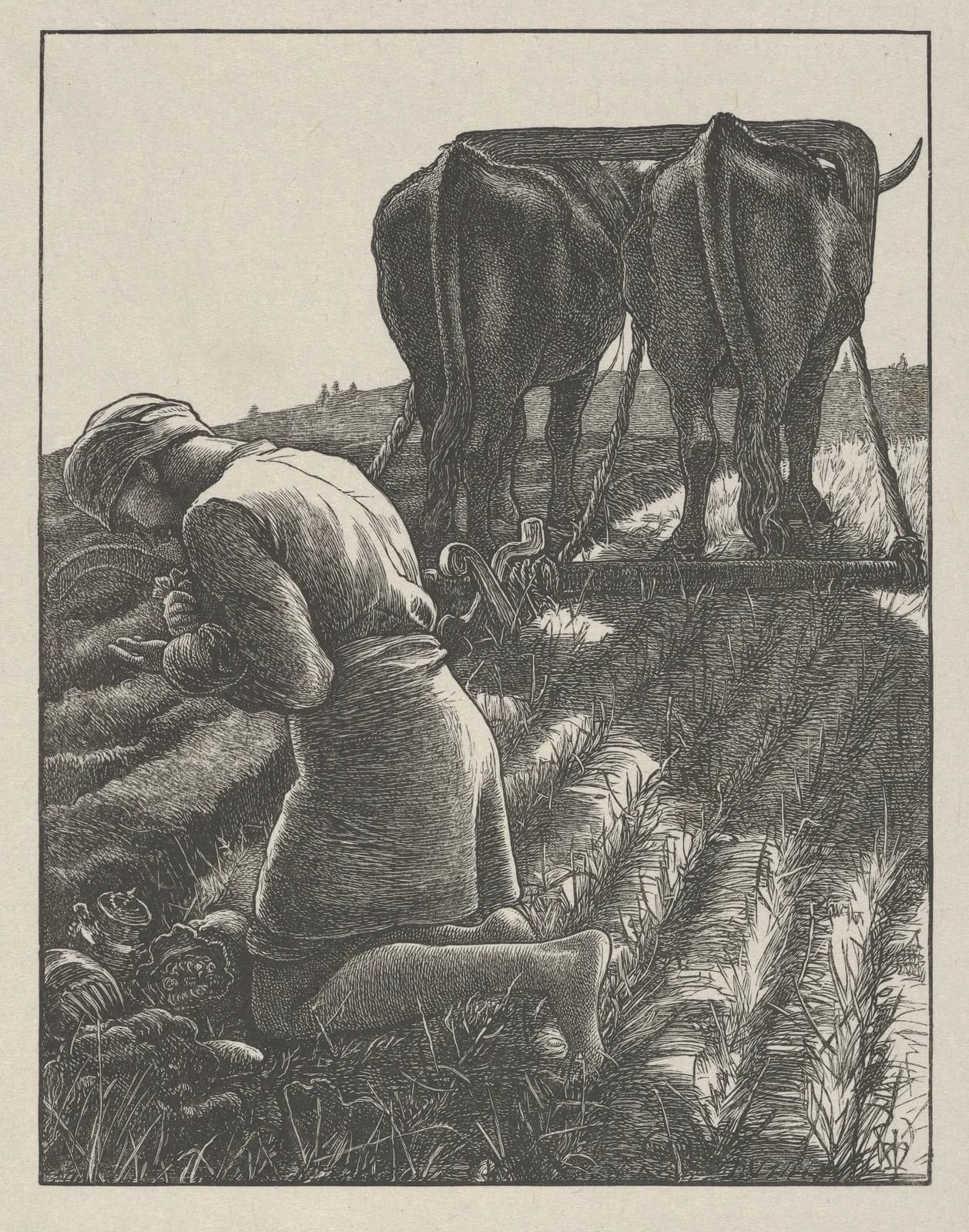
In the first parable (Matthew 13:44), Jesus describes a man who finds a hidden treasure in a field. Recognizing its immense value, the man hides the treasure again and joyfully sells everything he owns to buy that field. In the second parable (Matthew 13:45-46), Jesus talks about a merchant in search of fine pearls. When the merchant finds a pearl of great price, he sells all his possessions to purchase it. Both stories involve individuals who encounter something of extraordinary worth and make sacrifices to obtain it.
The passage concludes with both characters achieving their goal: the man acquires the field with the hidden treasure, and the merchant secures the pearl of great price. Both have exchanged everything they have for something they deem supremely valuable. The passage presents the conclusion that the kingdom of Heaven is of such worth that it warrants giving up all else to possess it. The primary conclusion of the parables in Matthew 13:44-46 is that the kingdom of heaven holds immense value, surpassing all worldly possessions. Recognizing this value compels individuals to willingly make sacrifices. Both the man who finds the hidden treasure and the merchant who discovers the pearl of great price demonstrate a deep understanding of the kingdom's worth. Their actions — selling everything they own — underscore the unparalleled importance they place on acquiring the kingdom. The text underscores that the kingdom of heaven is not just valuable but supremely valuable, prompting a total reorientation of priorities.
Chiastic structure
ⓘMatthew 13:44
“the kingdom of heaven is like unto treasure hid in a field; the which when a man hath found, he hideth, and for joy thereof goeth and selleth all that he hath, and buyeth that field.”
Matthew 13:45
“the kingdom of heaven is like unto a merchant man, seeking goodly pearls:”
Matthew 13:46
“Who, when he had found one pearl of great price, went and sold all that he had, and bought it.”
Both A and A' emphasize the act of selling all possessions to acquire something of great value, illustrating the worth of the kingdom of heaven.
Interpretation and theological stakes
Continue reading with a Scholar plan
Upgrade to Scholar