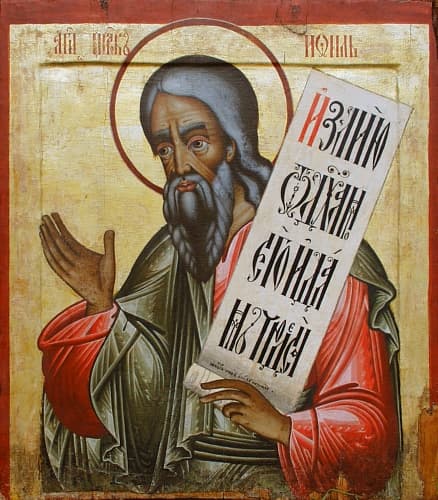
Joel 2:28-32 · Joel · Updated April 25, 2026
Joel's Spirit Prophecy
God declares that He will pour out His Spirit on all people, leading to prophecy, dreams, and visions among various groups. Signs and wonders will occur in the heavens and on earth before the great day of the LORD, and those who call on the LORD's name will be saved in Zion and Jerusalem.
Summary
The passage from Joel 2:28-32 is a prophecy about a future time when God will act in a dramatic way. It describes a divine intervention that affects all people, transcending social and generational boundaries. Although the setting is unspecified, the focus is on events concerning Zion and Jerusalem. God declares that He will pour out His spirit on all people, enabling sons, daughters, old men, and young men to prophesy, dream, and see visions (2:28).
God promises that His spirit will not only be given to sons, daughters, and elders but also to servants and handmaids, indicating an inclusive outpouring (2:29). Following this, God announces wonders in the heavens and on earth, such as blood, fire, and pillars of smoke (2:30). The prophecy continues with cosmic disturbances: the sun will turn dark, and the moon will appear as blood, all occurring before the arrival of the great and terrible day of the LORD (2:31).
The passage concludes with a message of hope and deliverance, stating that anyone who calls on the name of the LORD will be saved. Deliverance will be found in Mount Zion and Jerusalem, as God has promised, and among the remnant whom the LORD calls (2:32). The final state of affairs is one where divine deliverance is accessible to all who seek it, emphasizing the availability of salvation in the midst of cataclysmic events. The main conclusion of Joel 2:28-32 is that there will be a future time of divine intervention marked by the outpouring of God's spirit on all people. This event transcends social and generational boundaries, suggesting a universal impact. The passage emphasizes the inclusivity of this outpouring, as it mentions not only sons and daughters but also servants and handmaids (2:28-29). This divine action is coupled with cosmic signs and wonders, precursors to the "great and terrible day of the LORD" (2:31). The passage offers hope by promising salvation to anyone who calls on the name of the LORD, highlighting the availability of deliverance in Zion and Jerusalem (2:32).
Chiastic structure
ⓘJoel 2:28-29
“I will pour out my spirit upon all flesh; and your sons and your daughters shall prophesy...”
Joel 2:30-31
“I will shew wonders in the heavens and in the earth, blood, and fire, and pillars of smoke...”
Joel 2:32
“whosoever shall call on the name of the LORD shall be delivered...”
The outpouring of the Spirit on all flesh (A) mirrors the deliverance for those who call on the LORD (A') as both involve divine intervention and inclusivity.
Interpretation and theological stakes
Continue reading with a Scholar plan
Upgrade to Scholar