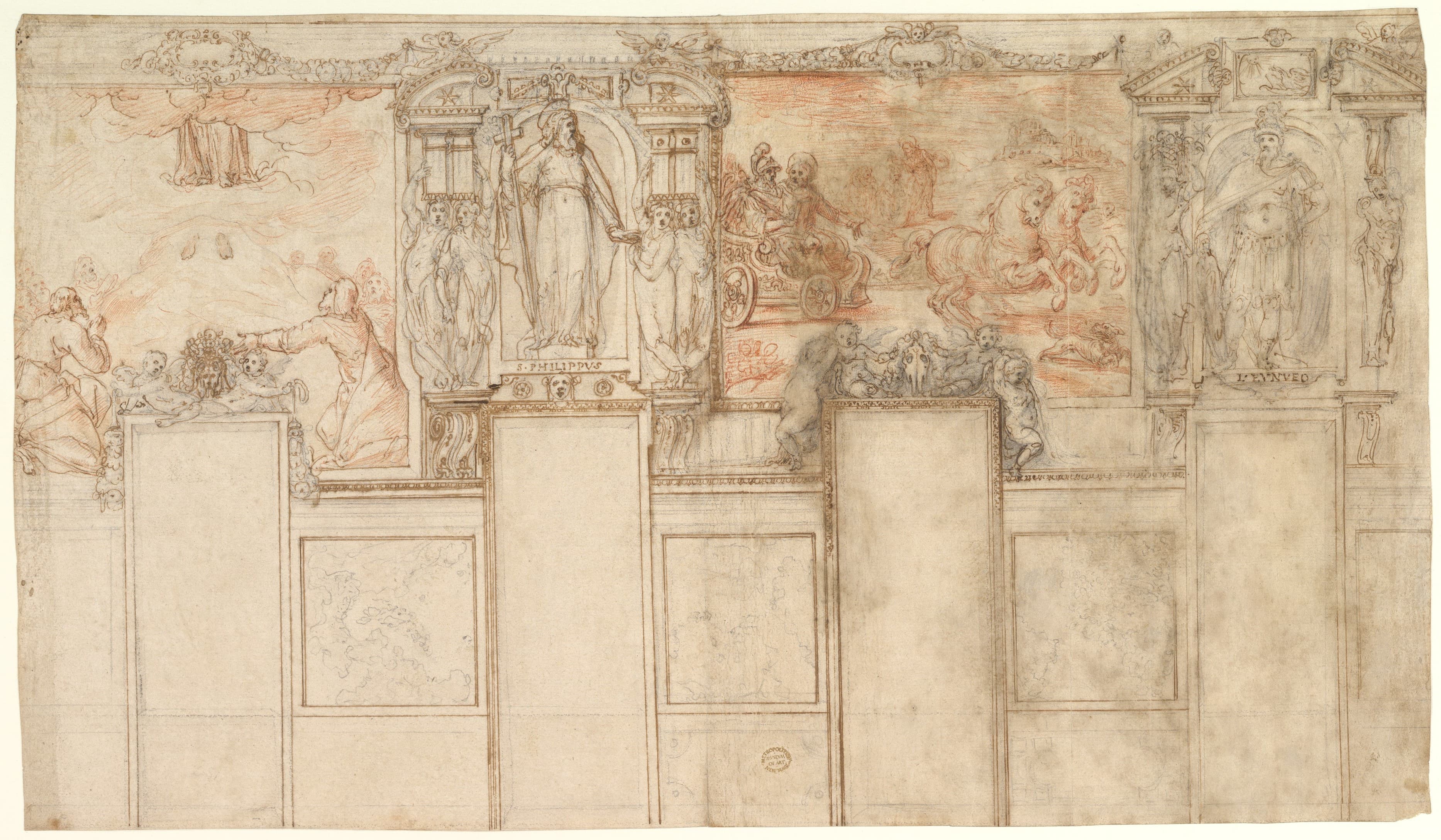
Acts 8:26-40 · Acts · Updated April 25, 2026
Philip & the Ethiopian Eunuch
Philip is instructed by an angel to go south from Jerusalem to Gaza, where he encounters an Ethiopian eunuch reading the prophet Isaiah. Philip explains the scripture to the eunuch and preaches about Jesus, leading to the eunuch's baptism. After the baptism, Philip is taken away by the Spirit, and the eunuch continues on his way rejoicing.
Summary
Acts 8:26-40 describes an encounter between Philip, an early Christian evangelist, and an Ethiopian eunuch, a high official under Candace, queen of the Ethiopians. An angel of the Lord instructs Philip to travel south on the road from Jerusalem to Gaza, a desert route (8:26). As Philip obeys, he meets the Ethiopian eunuch returning from worshiping in Jerusalem, reading from the book of Isaiah while sitting in his chariot (8:27-28).
Prompted by the Spirit, Philip approaches the chariot and hears the eunuch reading Isaiah. Philip asks if he understands the passage, and the eunuch admits he needs guidance (8:30-31). Invited to join the eunuch, Philip explains the scripture, which speaks of a suffering servant, and uses it as a starting point to preach about Jesus (8:35). As they travel, they come across some water, and the eunuch expresses a desire to be baptized. Philip confirms his belief in Jesus, and upon the eunuch's Confession of faith, they stop the chariot, and Philip baptizes him (8:36-38).
After the Baptism, the Spirit of the Lord suddenly takes Philip away, and the eunuch continues his journey rejoicing (8:39). Philip finds himself at Azotus and continues to preach the gospel in all the cities he passes through until he reaches Caesarea (8:40). The eunuch, a foreigner and a high-ranking official, represents the inclusion of Gentiles into the Christian faith. The text reveals that the gospel is not confined to a single ethnic or religious group but is for all people, regardless of their background. This encounter demonstrates how the divine message transcends geographical, cultural, and social barriers, as initiated by the direct guidance of the Holy Spirit.
Chiastic structure
ⓘActs 8:26-29
“And the angel of the Lord spake unto Philip... Then the Spirit said unto Philip, Go near, and join thyself to this chariot.”
Acts 8:35-37
“Then Philip opened his mouth, and began at the same scripture, and preached unto him Jesus... And he answered and said, I believe that Jesus Christ is the Son of God.”
Acts 8:39-40
“The Spirit of the Lord caught away Philip... But Philip was found at Azotus: and passing through he preached in all the cities.”
Both A and A' involve divine guidance and the movement of Philip, showing the initiation and conclusion of the mission.
Interpretation and theological stakes
Continue reading with a Scholar plan
Upgrade to Scholar