Matthew 4:1-11 · Matthew · Updated April 25, 2026
Temptation in the Wilderness
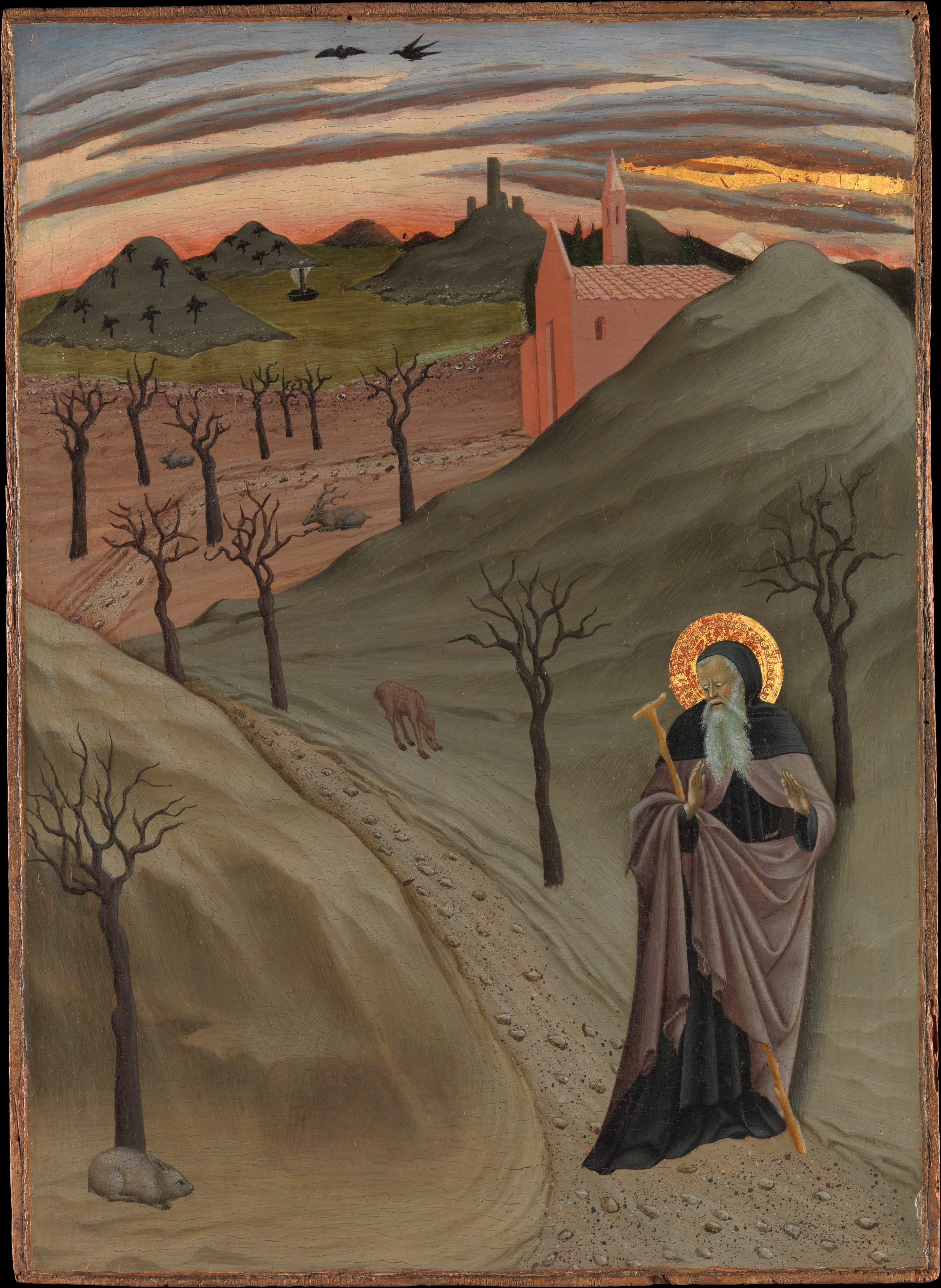
Jesus is led by the Spirit into the wilderness where he fasts for forty days and is tempted by the devil. The devil tempts Jesus three times, but Jesus resists each temptation by quoting scripture. After the temptations, the devil leaves and angels come to minister to Jesus.
Summary
The passage of the Temptation in the Wilderness (Matthew 4:1-11) describes an event in the life of Jesus, occurring shortly after his baptism. The Spirit leads Jesus into the wilderness to be tempted by the devil (4:1). This confrontation between Jesus and the devil involves a period of testing as Jesus fasts for forty days and nights, leaving him hungry (4:2).
During this time, the devil approaches Jesus with three temptations. First, the devil challenges Jesus to prove his divinity by turning stones into bread to satisfy his hunger (4:3). Jesus responds by quoting scripture, stating that man does not live by bread alone but by God's words (4:4). Next, the devil takes Jesus to the pinnacle of the temple in Jerusalem, urging him to jump and rely on angels to save him, quoting scripture to support his challenge (4:5-6). Jesus counters by citing scripture again, emphasizing that one should not test God (4:7). Finally, the devil shows Jesus all the kingdoms of the world, offering them in exchange for worship (4:8-9). Jesus rejects this, commanding Satan to leave and affirming that worship is due to God alone (4:10).
The passage concludes with the devil departing from Jesus, and angels arriving to attend to him (4:11). This marks the end of the temptations and establishes Jesus' faithfulness and authority over Satan. The text presents these events as evidence of Jesus' steadfastness and adherence to God's word, setting the tone for his ministry. The passage in Matthew 4:1-11 primarily establishes Jesus' unwavering commitment to God amidst severe testing by the devil. The narrative emphasizes obedience to God over succumbing to physical needs, doubts, or worldly power. Jesus' responses to the devil's temptations are rooted in scripture, demonstrating the importance of God's word as a guiding principle. The text concludes with Jesus' victory over temptation, marking a moment that sets the foundation for his ministry. It reinforces his faithfulness and authority, affirming his role as the Messiah who resists evil.
Chiastic structure
ⓘMatthew 4:3-4
“If thou be the Son of God, command that these stones be made bread... Man shall not live by bread alone, but by every word that proceedeth out of the mouth of God.”
Matthew 4:7
“Thou shalt not tempt the Lord thy God.”
Matthew 4:8-10
“All these things will I give thee, if thou wilt fall down and worship me... Thou shalt worship the Lord thy God, and him only shalt thou serve.”
Both A and A' involve temptations from the devil that Jesus counters with scripture, emphasizing reliance on God and His word.
Interpretation and theological stakes
Continue reading with a Scholar plan
Upgrade to Scholar