Psalms 19 · Psalms

The Heavens Declare

Psalm 19 describes the glory of God as revealed through the heavens and His law. The psalmist, David, praises God's creation and His commandments, seeking personal purity and divine acceptance.

Summary

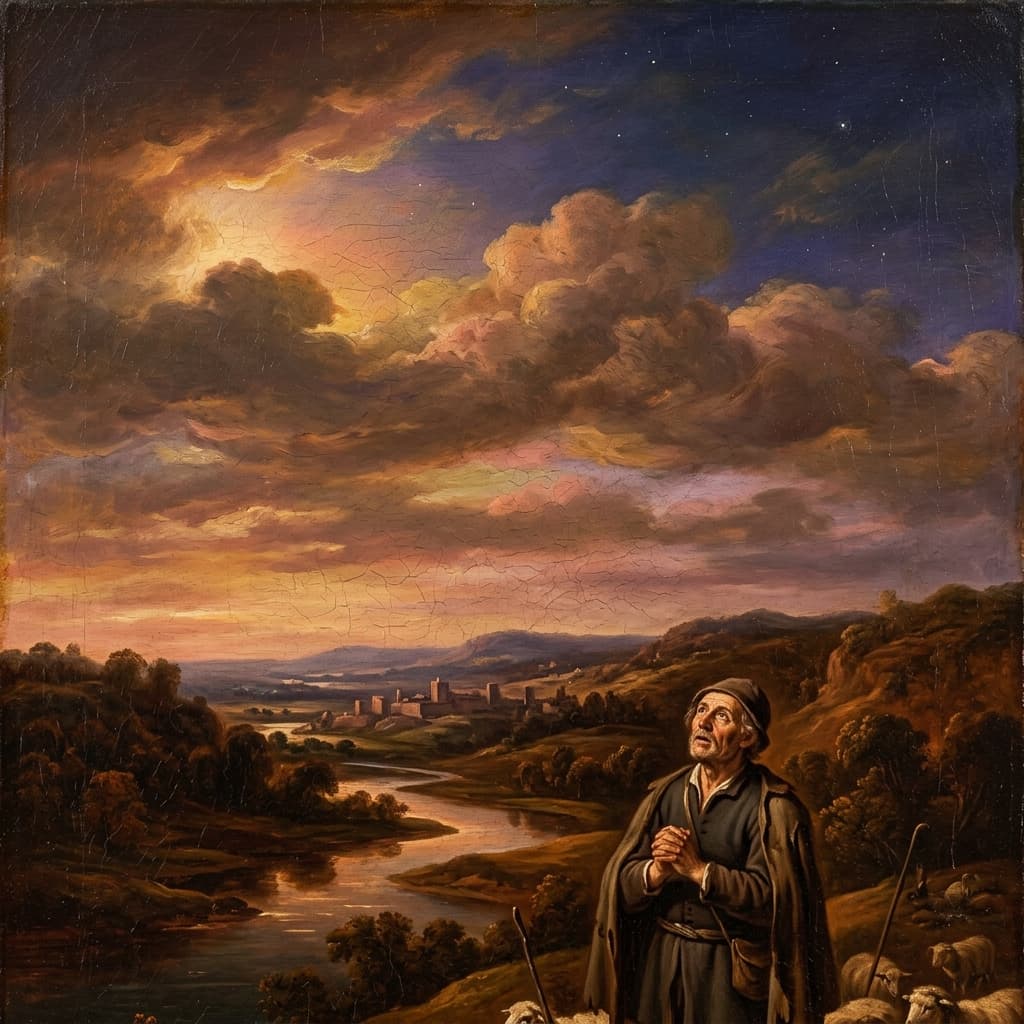
Psalm 19 is a poetic passage attributed to King David, highlighting the grandeur of God as seen in nature and His law. It begins with a declaration of how the heavens and the firmament display God's glory and craftsmanship (19:1). The setting is the vast expanse of the sky, which silently communicates God's majesty day and night (19:2-4). The sun is described as a bridegroom or an athlete, illustrating its powerful and joyous journey across the sky, reaching all corners of the earth (19:5-6).

The passage then shifts focus from the natural world to God's law. David describes the law of the Lord as perfect, capable of reviving the soul, and providing wisdom to the simple (19:7). He continues by stating that God's statutes bring joy to the heart and enlightenment to the eyes (19:8). The fear of the Lord is described as pure and everlasting, and His judgments are true and righteous (19:9). David emphasizes the value of God's commandments, comparing them to fine gold and sweet honey, and notes that they offer warning and great reward to those who keep them (19:10-11).

The psalm concludes with a personal plea from David. He asks for cleansing from hidden faults and protection from willful sins, seeking to remain blameless and free from great transgressions (19:12-13). David ends with a prayer that his words and thoughts be pleasing to God, whom he calls his strength and redeemer (19:14). The passage itself concludes by affirming the dual testimony of creation and God's law as expressions of divine glory and guidance.

Chiastic structure

A

19:1-6

The heavens declare the glory of God; and the firmament sheweth his handywork.

B

19:7

The law of the LORD is perfect, converting the soul.

A'

19:12-14

Let the words of my mouth, and the meditation of my heart, be acceptable in thy sight, O LORD.

Both A and A' focus on the revelation of God, A through creation and A' through personal devotion and righteousness.

Interpretation and theological stakes

Psalm 19 draws a primary conclusion about the dual nature of God's revelation. It asserts that both the natural world and God's law communicate His majesty and righteousness. The heavens, through their silent yet powerful presence, speak of God's glory and craftsmanship (19:1-4). Meanwhile, the law of the Lord offers a more direct and personal form of revelation, described as perfect, reviving, and enlightening (19:7-8). This duality matters because it suggests that while nature reflects God's power and creativity, His law provides specific guidance and wisdom essential for righteous living.

In Reformed Protestant tradition, the emphasis is placed on the dual revelation of God, with Scripture being seen as the clearer and more precise revelation. The text's shift from nature to law supports this view, as the psalm moves from the general revelation of the heavens to the specific, life-giving qualities of the law (19:7-11). This tradition argues that while nature declares God's glory, it is through Scripture that God speaks directly to humanity, offering wisdom and guidance for the soul. The clarity and perfection of God's law are seen as vital for understanding His will more fully than nature alone can provide.

Rabbinic Judaism, on the other hand, emphasizes the preeminence of the Torah as the primary means of understanding God's will. While the heavens indeed declare God's glory, the Torah is considered the definitive guide for living a life aligned with divine intentions. This interpretation highlights verses like 19:7-9, which celebrate the perfection and righteousness of God's law. The Torah is not just a complement to the natural world but the central focus for gaining wisdom and joy. The rabbis see the detailed descriptions of the law's benefits as underscoring its unrivaled role in guiding moral and spiritual conduct.

Considering both interpretations, Psalm 19 suggests a balance between recognizing God's glory in creation and seeking His will through the law. While nature provides a majestic backdrop that testifies to God's existence and power, it lacks the specificity needed for personal and communal guidance. The law, however, offers this explicit direction, making it indispensable for those who seek to live in accordance with God's righteousness. The passage ultimately affirms that understanding God's will requires engaging with both His creation and His commandments, as both are integral to fully grasping the divine presence and purpose.

Continue reading with a Scholar plan

Upgrade to Scholar