2 Corinthians 4:7-18 · 2 Corinthians · Updated April 25, 2026
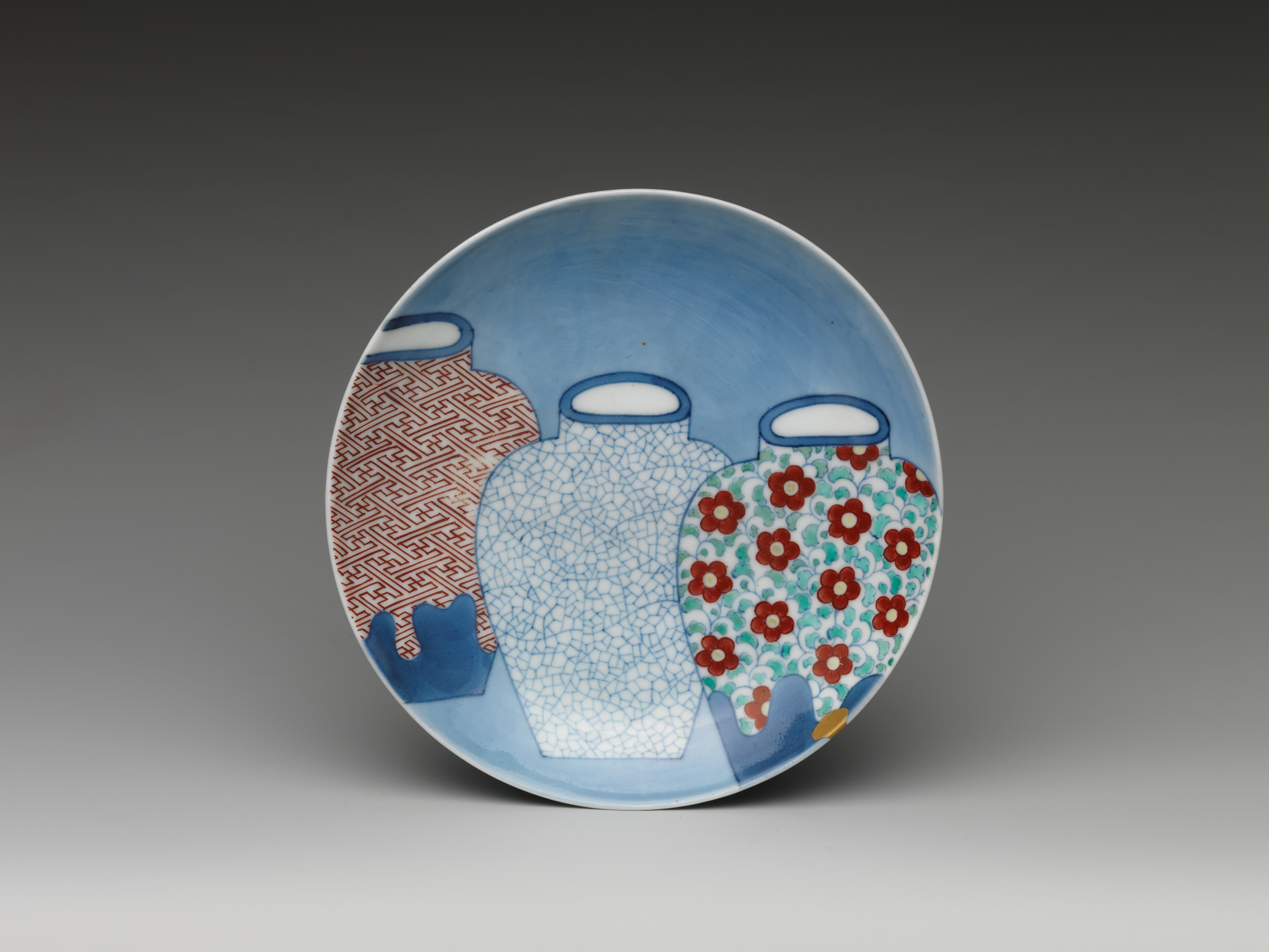
Treasure in Clay Jars
Paul speaks about the treasure of God's power being held in fragile human bodies, emphasizing that their suffering reveals Jesus' life. Despite facing hardships, they are not defeated, and they focus on eternal, unseen things rather than temporary, visible ones.
Summary
The passage from 2 Corinthians is part of a letter written by the Apostle Paul to the early Christian community in Corinth. It addresses the challenges faced by believers and emphasizes the power of God at work within them. Paul begins by comparing believers to "earthen vessels" containing a valuable treasure, indicating that the power they possess comes from God, not themselves (4:7).
Paul describes the trials and hardships faced by believers, stating they are "troubled on every side, yet not distressed; perplexed, but not in despair" (4:8). Though persecuted and cast down, they are not forsaken or destroyed (4:9). He explains that they carry the death of Jesus in their bodies so that His life can be evident in them (4:10). While they face death, it brings life to others (4:12). Paul expresses confidence in the resurrection, believing that God, who raised Jesus, will also raise them (4:14). He sees their struggles as a means to bring glory to God through the gratitude of many (4:15).
Paul concludes by affirming that believers do not lose heart, even though their physical bodies are deteriorating, because their inner selves are renewed daily (4:16). He describes their sufferings as temporary and light compared to the eternal glory they are achieving (4:17). Paul encourages looking beyond the visible and temporary to focus on the unseen and eternal (4:18). The passage establishes that the visible world is temporary, while the unseen is everlasting. The primary conclusion is that the power and endurance of believers come from God, not from themselves. Paul uses the metaphor of "earthen vessels" to emphasize human frailty and the divine power that sustains believers through trials (4:7). Hardships do not destroy believers because they embody the life and death of Jesus, bringing life to others even through their suffering (4:10-12). This dynamic illustrates a theological truth: despite external decay, the inner renewal and spiritual transformation of believers lead to eternal glory (4:16-18).
Chiastic structure
ⓘ2 Corinthians 4:7
“But we have this treasure in earthen vessels, that the excellency of the power may be of God, and not of us.”
2 Corinthians 4:10-11
“Always bearing about in the body the dying of the Lord Jesus, that the life also of Jesus might be made manifest in our body.”
2 Corinthians 4:16
“For which cause we faint not; but though our outward man perish, yet the inward man is renewed day by day.”
Both A and A' discuss the theme of transformation from weakness to strength through God's power.
Interpretation and theological stakes
Continue reading with a Scholar plan
Upgrade to Scholar