Revelation 5:1-14 · Revelation · Updated April 25, 2026
Worthy is the Lamb
In Revelation 5:1-14, John sees a vision of a book sealed with seven seals in the right hand of God on the throne. A Lamb, identified as the Lion of the tribe of Judah, is found worthy to open the book, leading to worship by the elders, beasts, and angels. They sing a new song praising the Lamb's worthiness and redemption through His blood.
Summary
Revelation 5:1-14 is part of a vision John experiences, where he is taken to a heavenly setting around the throne of God. John observes a book in the right hand of God, sealed with seven seals (5:1). A strong angel calls out, asking who is worthy to open the book, but no one is found worthy in Heaven, on earth, or under the earth, causing John to weep (5:2-4). An elder reassures John, pointing to the Lion of the tribe of Judah, the Root of David, who has triumphed and can open the book (5:5).
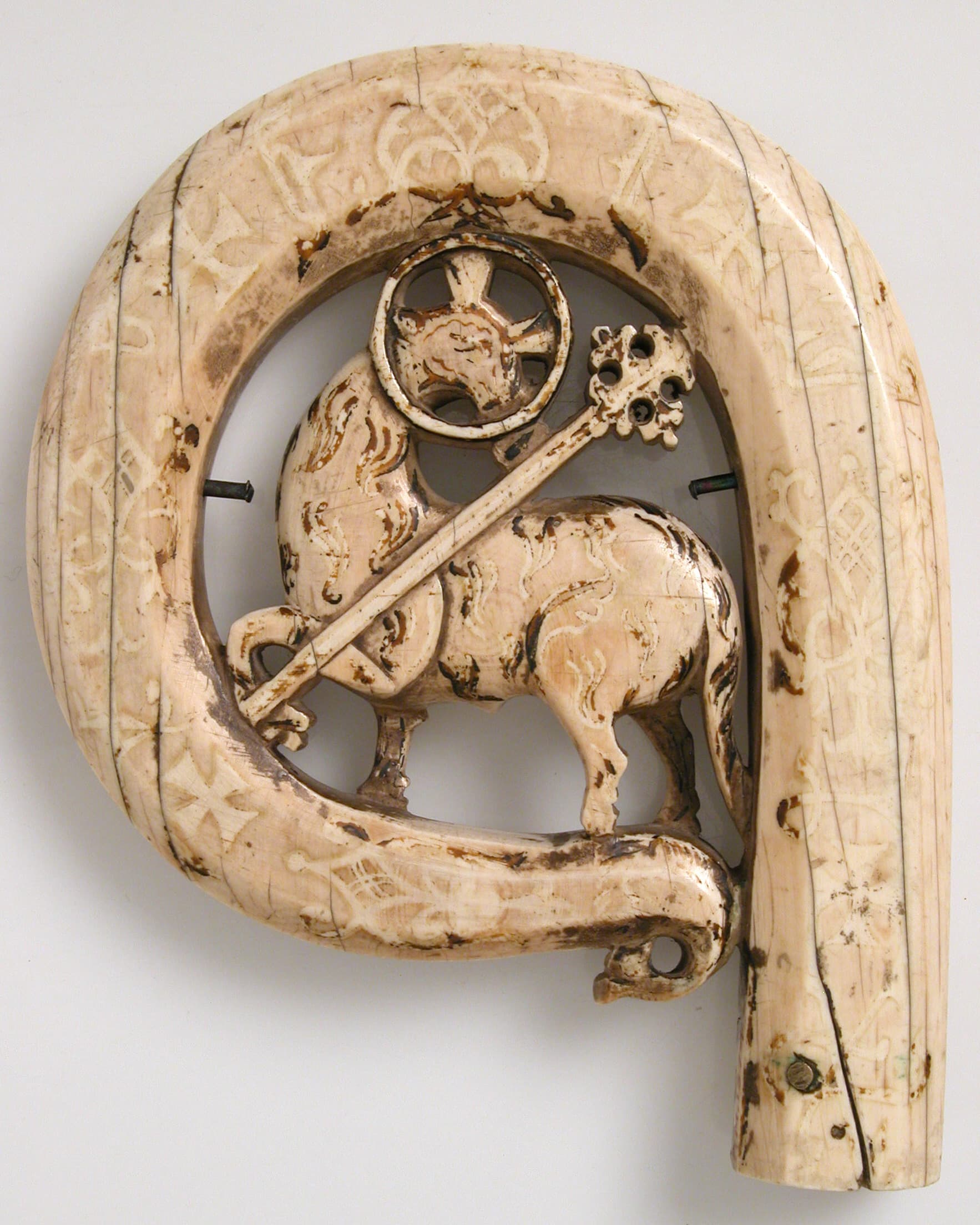
John then sees a Lamb standing near the throne, appearing as though it had been slain, with seven horns and seven eyes representing the seven Spirits of God (5:6). The Lamb takes the book from God's right hand (5:7). The four living creatures and twenty-four elders fall before the Lamb, each holding a harp and golden bowls filled with the prayers of the saints. They sing a new song, declaring the Lamb worthy to take the book and open its seals, because it was slain and redeemed people for God from every tribe and nation (5:8-9).
The passage concludes with a grand scene of worship. A multitude of angels, numbering in the millions, join the creatures and elders, loudly proclaiming the worthiness of the Lamb to receive power, riches, wisdom, strength, honor, glory, and blessing (5:11-12). Every creature in Heaven, on earth, under the earth, and in the sea echoes this praise, honoring both God on the throne and the Lamb (5:13). The four living creatures affirm with "Amen," and the elders worship, establishing the Lamb's central role in the divine order (5:14). The primary conclusion of Revelation 5:1-14 is the establishment of the Lamb’s worthiness to open the sealed book, which signifies authority and the fulfillment of divine purpose. This worthiness is not merely based on power but on sacrificial victory. The Lamb, appearing as if slain, symbolizes a paradox of power through vulnerability, suggesting that the triumph comes from sacrifice (5:6). The heavenly chorus of worship emphasizes the Lamb's central role in God's plan, acknowledging this worthiness (5:12-13).
Chiastic structure
ⓘRevelation 5:2-4
“Who is worthy to open the book... no man was found worthy”
Revelation 5:6-9
“Thou art worthy to take the book... for thou wast slain, and hast redeemed us”
Revelation 5:12-14
“Worthy is the Lamb that was slain... worshipped him that liveth for ever and ever”
A and A' both emphasize the worthiness of the Lamb and the resulting worship.
Interpretation and theological stakes
Continue reading with a Scholar plan
Upgrade to Scholar