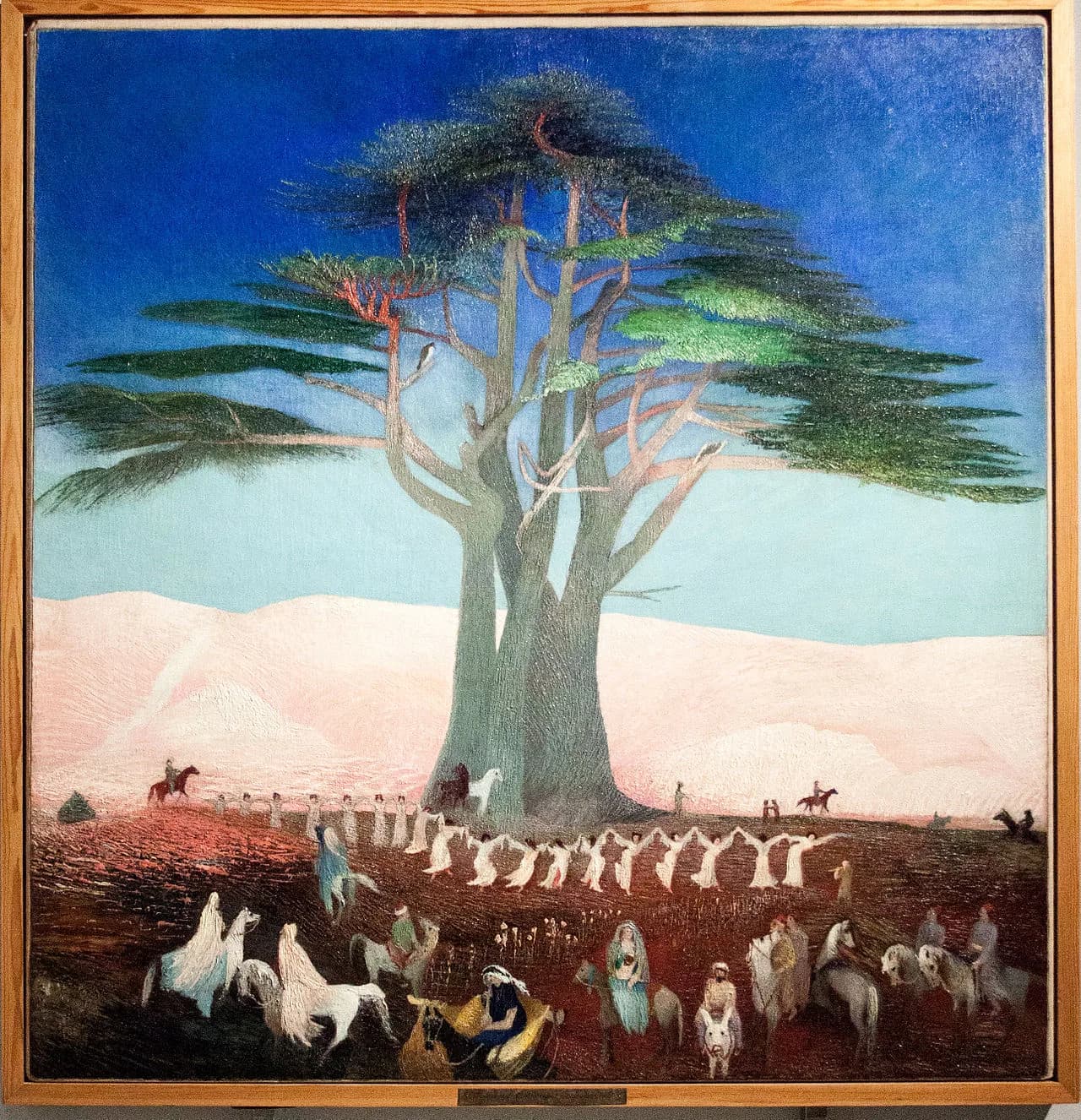
Pilgrimage
Ascetic practices · Updated August 15, 2026
Overview
During medieval Europe, the fervor for Christian pilgrimages spurred the creation of the continent's first travel guidebooks. Pilgrimages were complex undertakings that required careful planning and knowledge of the routes and accommodations along the way. One of the earliest examples of these guidebooks is "The Pilgrim's Guide," part of the 12th or 13th-century Codex Calixtinus, which offered practical advice for those traveling the arduous path to Santiago de Compostela in Spain. Resources were necessary to help pilgrims face challenges, from treacherous terrains to securing shelter and food.
Christian pilgrimage history began in the early centuries of the faith, gaining momentum after Emperor Constantine institutionalized Christianity in the 4th century. Newfound legitimacy led to an increase in pilgrimages to Jerusalem, the epicenter of Christian holy sites. As the centuries progressed, other destinations gained prominence, such as the shrine of Saint Thomas Becket at Canterbury Cathedral, famously captured in Geoffrey Chaucer's "Canterbury Tales" in the 14th century. The route to Santiago de Compostela, known as the Way of St. James, became a journey for believers since the 9th century, drawing pilgrims from across Europe. The declaration of the first Holy Year in 1300 by Pope Boniface VIII further cemented Rome's status as a central Pilgrimage destination, encouraging masses of faithful to seek spiritual rewards in the Eternal City.
Today, the tradition of Pilgrimage endures, with millions of people making their way to historic sites like Santiago de Compostela each year. The infrastructure developed for these ancient journeys has evolved, but the spirit of pilgrimage remains unchanged. The routes once documented in medieval guidebooks are now complemented by modern resources, yet the essence of these sacred travels continues to draw individuals seeking personal and spiritual growth.
Medieval Christian pilgrimages were so popular that they led to the development of the first travel guidebooks in Europe.
Common questions
- What is a pilgrimage?
- A pilgrimage is a journey to a sacred place undertaken for religious or spiritual reasons. It often involves traveling to sites of historical or spiritual significance to seek personal and spiritual growth.
- Why do people go on pilgrimages?
- People go on pilgrimages to seek spiritual enlightenment, fulfill religious obligations, or gain personal growth. It is also a way to connect with their faith and visit sites of religious importance.
- What are the most famous pilgrimage sites in the world?
- Some of the most famous pilgrimage sites include Santiago de Compostela in Spain, Jerusalem, the Vatican in Rome, and Mecca in Saudi Arabia. Each site holds significant religious importance for different faiths.
- How long does a pilgrimage typically take?
- The duration of a pilgrimage can vary greatly depending on the destination and the route taken. Some pilgrimages can take a few days, while others, like the Camino de Santiago, can take several weeks.
- What should I pack for a pilgrimage?
- Packing for a pilgrimage typically includes comfortable walking shoes, weather-appropriate clothing, a backpack, water, snacks, and any necessary personal items. It's also important to carry identification and any required travel documents.
- What is the Camino de Santiago pilgrimage?
- The Camino de Santiago, or the Way of St. James, is a network of pilgrimage routes leading to the shrine of the apostle Saint James in Santiago de Compostela, Spain. It has been a significant Christian pilgrimage since the 9th century.
- Why is Mecca a significant pilgrimage site?
- Mecca is significant as it is the birthplace of the Prophet Muhammad and the site of the Kaaba, the holiest shrine in Islam. Muslims are required to perform the Hajj pilgrimage to Mecca at least once in their lifetime if they are able.
- What is the historical significance of pilgrimages in Christianity?
- Christian pilgrimages have been significant since the early centuries of the faith, gaining momentum after Christianity was institutionalized by Emperor Constantine. They have historically served as acts of devotion, penance, and spiritual growth, with key sites including Jerusalem, Rome, and Santiago de Compostela.
- How do religious pilgrimages differ from secular travel?
- Religious pilgrimages are undertaken for spiritual or religious reasons, often to visit sacred sites and fulfill religious obligations. Secular travel, on the other hand, is typically for leisure, exploration, or cultural experiences without a religious focus.
- What are the spiritual benefits of going on a pilgrimage?
- Spiritual benefits of a pilgrimage include deepening one's faith, gaining a sense of peace and reflection, and experiencing personal transformation. It also allows individuals to connect with their religious heritage and community.
- What is the Hajj pilgrimage and what does it involve?
- The Hajj is an Islamic pilgrimage to Mecca that every Muslim must undertake at least once in their lifetime if they are physically and financially able. It involves a series of rituals performed over several days, including walking around the Kaaba and standing on the plains of Arafat.
- How do modern-day pilgrimages differ from those in the past?
- Modern-day pilgrimages benefit from improved infrastructure, transportation, and resources, making them more accessible and safer than in the past. However, the spiritual essence and purpose of seeking personal and religious fulfillment remain unchanged.
- What is the significance of the Ganges River for Hindu pilgrims?
- The Ganges River is considered sacred in Hinduism, and pilgrims believe that bathing in its waters can purify them of sins and aid in achieving moksha, or liberation from the cycle of rebirth. It is a central site for various religious rituals and festivals.
- Are there any health considerations to keep in mind during a pilgrimage?
- Health considerations for a pilgrimage include staying hydrated, wearing appropriate clothing and footwear, and being prepared for physical exertion. It's also important to consider vaccinations, travel insurance, and any personal medical needs.
- What role do pilgrimages play in Buddhism?
- In Buddhism, pilgrimages are journeys to sacred sites associated with the life of the Buddha, such as Lumbini, Bodh Gaya, Sarnath, and Kushinagar. These pilgrimages are acts of devotion, reflection, and an opportunity to deepen one's understanding of Buddhist teachings.