Bible study / Biblical figures / Gideon

Old Testament

Gideon

Period of the Judges (c. 1200 BC)

doubt and faithdivine calling of the weakmilitary victoryidolatry after victory

The Story of Gideon

In the chaotic era of the Judges, around 1200 BC, Israel was trapped in a cycle of apostasy and oppression by surrounding nations. This period saw the rise of Gideon, a figure of unexpected stature, living in Ophrah within the tribe of Manasseh. Gideon emerges in the biblical narrative while he is covertly threshing wheat in a winepress, a testament to the severe Midianite threat against Israelite agriculture. An angel of the Lord appears to him, calling him a "mighty warrior" and commissioning him to save Israel from their oppressors (Judges 6:12). This divine encounter sets Gideon on a path that will challenge his faith and redefine his role within his community.

Gideon's first major act of defiance is destroying his father's altar to Baal, a bold move that could incite the wrath of his kinsmen. Despite his fear, he obeys God's command, tearing down the altar by night and earning the name Jerub-Baal, meaning "Let Baal contend against him" (Judges 6:27-32). This act of iconoclasm is significant, signaling a personal and communal shift from idolatry towards fidelity to Yahweh. Yet, Gideon's internal struggle with doubt persists. Seeking reassurance, he requests a sign from God through the fleece test, first asking for dew on the fleece alone, then for dew on the ground while the fleece remains dry (Judges 6:36-40). This episode underscores Gideon's reluctance and need for divine confirmation.

With divine assurance secured, Gideon prepares for battle against the Midianites. In a surprising twist, God instructs him to reduce his army from 32,000 to a mere 300 men, an act designed to prevent Israel from attributing their victory to their own strength (Judges 7:2-7). The ensuing battle is marked by unconventional tactics: armed with trumpets, jars, and torches, Gideon's men create chaos in the Midianite camp, leading to a miraculous victory as the enemy turns against itself (Judges 7:16-22). This victory transforms Gideon from a hesitant leader into a national hero, yet it also sets the stage for future complications.

Post-victory, Gideon refuses the kingship offered by the Israelites, insisting that the Lord should rule over them. However, he constructs an ephod from the spoils of war, which inadvertently becomes a snare, leading Israel back into idolatry (Judges 8:22-27). This ironic twist highlights the tension between Gideon's initial divine calling and the eventual lapse into the very sin he was meant to combat. Gideon's legacy endures in the New Testament, where he is mentioned in the "Hall of Faith" in Hebrews 11:32, a testament to his complex and transformative journey from doubt to deliverance. His story concludes with a nation temporarily at peace, yet poised for another cycle of disobedience and redemption.

Who Was Gideon

Gideon's story in the Book of Judges revolves around the Hebrew term "גִּבּוֹר חַיִל" (gibbor chayil), meaning "mighty warrior," which appears in Judges 6:12 when the angel of the Lord addresses him. This designation is ironic, given Gideon's initial actions. When first encountered, he is not leading an army but threshing wheat in a winepress to hide it from the Midianites, suggesting anything but mightiness. His immediate response to God's call reveals a man engulfed in self-doubt: "Please, Lord, how can I save Israel? Behold, my clan is the weakest in Manasseh, and I am the least in my father's house" (Judges 6:15). Despite this insecurity, Gideon ultimately rises to become a military deliverer and a judge who leads Israel to victory over the Midianites. His journey from hesitant farmer to a leader of men underscores the theme of divine empowerment of the weak.
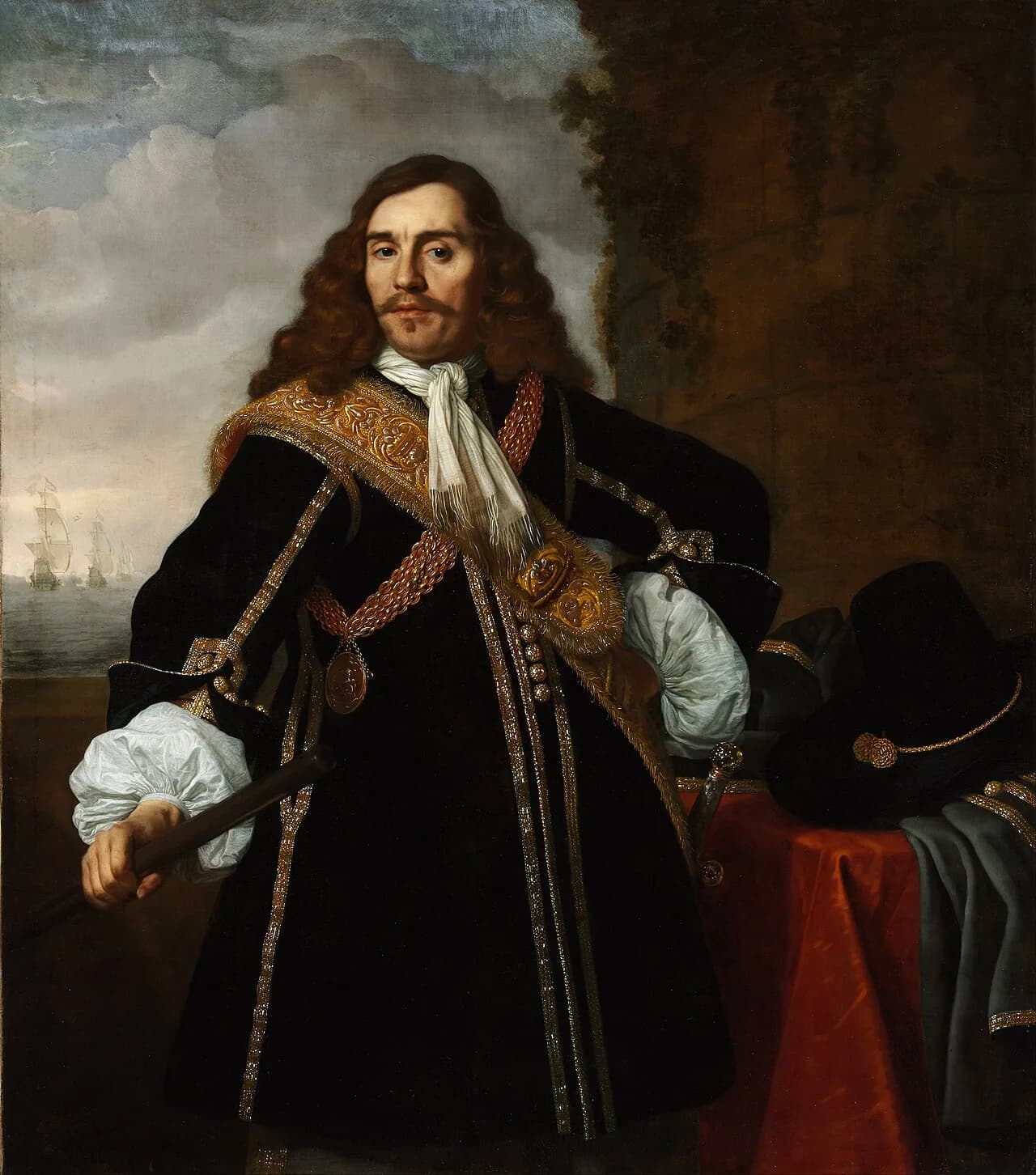
Gideon's choices illuminate his complex character. When God instructs him to destroy the altar of Baal, he does so at night, driven by fear of his family and the townsmen (Judges 6:25-27). This decision reflects both his apprehension and his obedience. In another pivotal moment, Gideon seeks reassurance through the famous fleece test, asking God for signs to confirm his promise of victory (Judges 6:36-40). This act distinguishes him from Barak, another judge who required Deborah's presence to muster courage for battle. Unlike Barak, Gideon eventually steps forward alone, albeit after divine reassurance. His strategic decision to reduce his army to just 300 men (Judges 7:2-7) further sets him apart, emphasizing his reliance on God's power rather than human strength. After his triumph, he refuses the kingship offered by the Israelites, acknowledging that only God should rule over them (Judges 8:22-23).

Popular readings often cast Gideon solely as a hero of faith, a simplification that overlooks the nuances of his narrative. His story is deeply intertwined with themes of fear and insecurity, complicating his role as a leader. The text shows a man who frequently questions God's assurances and seeks multiple confirmations before taking action. His vengeful acts against the men of Succoth and Penuel (Judges 8:5-17) further complicate his legacy, revealing a capacity for retribution that contrasts sharply with his earlier hesitance. These elements serve to humanize Gideon, portraying him as a figure who embodies both doubt and faith, strength and vulnerability. This complexity gets lost in a flattened narrative that sees him merely as a paragon of trust in God, erasing the very struggles that define his journey.

The Significance of Gideon

Gideon's story in the Book of Judges demonstrates that God can use the weakest and most doubtful individuals to accomplish divine purposes, emphasizing His power over human limitations. This is vividly captured in Judges 6:15, where Gideon expresses his disbelief in his own capabilities, saying, "Please, Lord, how can I save Israel? Behold, my clan is the weakest in Manasseh, and I am the least in my father's house." Despite his hesitance and self-doubt, Gideon is called a "mighty warrior" by an angel of the Lord, setting the stage for a narrative centered on the divine empowerment of the weak. The Hebrew term חָזַק (chazaq), meaning to strengthen or empower, encapsulates this theme as God consistently transforms Gideon's perceived inadequacy into strength, guiding him to lead Israel against the Midianites.

Key theological themes emerge throughout Gideon's narrative. Initially marked by doubt, Gideon repeatedly requests signs from God to confirm his calling, as seen in Judges 6:36-40. His eventual faith-driven actions, however, lead to Israel's deliverance, illustrating the transition from doubt to faith. Another theme is the concept of divine calling, where Gideon's low social status does not deter his selection by God, challenging the notion that leadership is reserved for the prominent. The story also addresses the theme of military victory through divine intervention. Gideon's victory with a mere 300 men, as commanded by God in Judges 7:7, underscores the message that success is attributed to divine intervention, not human might. A typological reading can see Gideon's deliverance of Israel as a precursor to Christ's deliverance of humanity, as noted in Hebrews 11:32.

Gideon's narrative also touches on the complexities of idolatry and its consequences. Following his military success, Gideon constructs an ephod, an object that eventually becomes a snare for Israel, as described in Judges 8:27. This act highlights the recurring theme of Israel's unfaithfulness and the ease with which victory can lead to spiritual downfall. While Gideon's story does not explicitly include a gentile dimension or a direct connection to the Messianic line, it nevertheless occupies a crucial place in the biblical narrative, illustrating the cyclical nature of Israel's faithfulness and idolatry. The narrative leaves us contemplating the tension between divine empowerment and human frailty, captured poignantly in the image of Gideon threshing wheat in a winepress, a symbol of his initial fear and the unlikely beginnings of a divinely ordained leader.

The Legacy of Gideon

In Jewish tradition, Gideon emerges as a figure embodying both humility and divine selection. The Midrash Tanchuma (Buber, Shoftim 9) interprets Gideon's initial reluctance to lead Israel as a sign of his humility, a trait valued in leaders chosen by God. This reluctance is vividly captured in Judges 6:15, where Gideon questions his capacity to save Israel, citing his weak clan and low status within his family. The Talmud, in Berakhot 28b, explores Gideon’s judgeship, highlighting his role in liberating Israel from Midianite oppression. Although Gideon does not feature prominently in Jewish liturgical practices, he is remembered during the Haftarah reading for Parashat Behaalotecha. His narrative is seen as a precursor to the prophetic leadership exemplified by Deborah, indicating a continuity in divine intervention and guidance for the Israelites.

In Christian thought, Gideon has been interpreted through various theological lenses. Early Church Fathers like Origen viewed him as a prefiguration of Christ, focusing on his role as a divinely chosen deliverer despite apparent weakness. This typological reading underscores the theme of divine strength manifesting through human frailty. During the Reformation, theologians such as John Calvin emphasized Gideon's faith, particularly his adherence to God's unconventional military strategy as recorded in Judges 7:7. Calvin saw this as a model for Christian obedience and trust in divine wisdom. The New Testament, specifically Hebrews 11:32, includes Gideon among the heroes of faith, reinforcing his significance in Christian theology as an exemplar of faith overcoming doubt.

Beyond religious contexts, Gideon's story has permeated cultural expressions. The Baroque painter Peter Paul Rubens captured the drama of Gideon's triumph over the Midianites, illustrating the narrative’s enduring visual appeal. The phrase "Gideon's fleece" has transcended its biblical origins, becoming a metaphor for seeking divine confirmation in secular discourse. In contemporary times, Gideon's journey from doubt to faith touches on universal themes of personal struggle and the search for certainty amidst uncertainty. This narrative resonates with modern audiences who grapple with similar challenges, highlighting the timeless human quest for assurance and guidance.