Epiphany
Holidays & seasons · Updated August 15, 2026
Overview
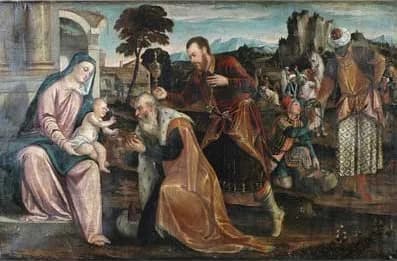
"Epiphany is often overlooked in the modern Christian calendar, yet it marks a defining moment in the Christian narrative." Today, many perceive Epiphany merely as the conclusion of the Christmas season, but historically, it carries real historical weight. The feast commemorates not only the visit of The Magi but also the revelation of Christ to the world. Traditionally, this event is paired with the Baptism of Jesus and, in some traditions, the miracle at Cana. These events mark the first recognition of Jesus' divine nature by the Gentiles, a theme that runs through the New Testament.
The origins of the Epiphany celebration can be traced back to the Eastern Christian communities in the late 2nd century A.D. Initially, it was observed on January 6th, long before the establishment of Christmas on December 25th. The earliest recorded mention of Epiphany comes from the writings of Clement of Alexandria around 200 A.D. He notes that followers of the Basilides sect commemorated the baptism of Jesus on this date. By the 4th century, the feast had spread to western Christianity, with the Council of Tours in 567 A.D. officially recognizing it as a major feast day. The decision to formalize Epiphany was motivated by a desire to emphasize the universal significance of Christ's manifestation to all nations, a theme especially relevant in a time when Christianity was expanding beyond its Jewish roots.
The biblical foundation of Epiphany is primarily found in the Gospel of Matthew 2:1-12, which recounts the visit of the Magi. "Now after Jesus was born in Bethlehem of Judea in the days of Herod the king, behold, wise men from the East came to Jerusalem." These Magi, often referred to as "wise men" or "kings," followed a star to Jesus, bringing gifts of gold, frankincense, and myrrh. Traditionally, these gifts are seen as symbols of Jesus' kingship, divinity, and eventual suffering. While the text does not specify the number of Magi, the tradition of three stems from the three gifts mentioned. Scholars debate the identity and origin of the Magi, with some suggesting they were Zoroastrian priests, while others view them as representatives of the Gentile world recognizing Jesus' significance.
Theologically, Epiphany marks Christ's manifestation to the Gentiles, symbolizing the universality of Jesus' mission. For Catholics, the feast emphasizes the fulfillment of Old Testament prophecies, as seen in the writings of the Church Fathers like St. Augustine, who interpreted the Magi's visit as a sign of the gospel's reach to all nations. In Protestant traditions, the focus often shifts to the personal revelation of Christ to individuals, encouraging believers to seek a personal epiphany of faith in their lives. Eastern Orthodox Christians, on the other hand, emphasize the baptism of Jesus during Epiphany, viewing it as the moment when the Holy Trinity was first fully revealed. This diversity of interpretation shows the rich theological layers of the feast.
A common misunderstanding is that Epiphany is simply an extension of Christmas. However, it is distinct in its focus on revelation and manifestation. Today, Epiphany is celebrated worldwide with various traditions, such as the blessing of homes with chalk in parts of Europe or the Three Kings Day parades in Latin America. In some Orthodox communities, believers participate in the "Great Blessing of the Waters," commemorating Jesus' Baptism. These practices reflect Epiphany's endurance as a time of renewal and revelation, challenging each believer to recognize Christ's presence in their lives and the world. As Christians across the globe observe this feast on January 6th, they are reminded of its call to acknowledge and celebrate the light of Christ revealed to all humanity.
Why Fighting Over Epiphany Was a Big Deal
The dispute over the celebration of Epiphany was not merely about which feast should be more prominent in the Christian liturgical calendar. This conflict was about who had the authority to define and interpret Christian traditions. Both the Eastern and Western Churches sought to assert control over these sacred narratives and wield influence over the faithful. The calendar was a powerful tool; it dictated the rhythms of religious life and the focus of worship. Control over this calendar meant cultural dominance and ecclesiastical power, as churches could shape theological interpretations and practices that aligned with their regional identities.
In 451 AD, the Council of Chalcedon was a crucial moment in this struggle. Bishops from both the Eastern and Western Churches gathered to address pressing doctrinal issues, but the debates also revealed the tensions surrounding liturgical practices. St. John Chrysostom, representing the Eastern Church, advocated for maintaining Epiphany as the primary feast celebrating Christ’s manifestation, emphasizing the baptism of Jesus. Meanwhile, Pope Leo I and the Western Church pushed for a liturgical calendar that integrated Epiphany into the broader Christmas cycle, focusing on the visit of The Magi. The Western Church aimed to reinforce the authority of the Roman Church, using a unified calendar to strengthen its influence. Both sides argued passionately, aware that whoever controlled these celebrations would hold sway over the spiritual life of Christians.
Despite these efforts, the conflict over Epiphany was never truly settled. The regional traditions and theological interpretations resisted any attempt at homogenization. Each church clung to its version of the feast, reflecting broader cultural identities that were not easily reconciled. The enduring liturgical differences highlight the complexity of Christian practice, a division that remains evident even today as Eastern Christians emphasize the baptism of Jesus, while Western traditions focus on the Magi's journey.
Continue reading with a Scholar plan
Upgrade to ScholarCommon questions
- What is the Epiphany in the Christian tradition?
- Epiphany is a Christian feast day that celebrates the revelation of Jesus Christ to the world. It is particularly associated with the visit of the Magi to the infant Jesus, symbolizing the manifestation of Christ to the Gentiles.
- Why is Epiphany celebrated on January 6th?
- Epiphany is celebrated on January 6th as it marks the end of the twelve days of Christmas. This date was chosen by the early Christian Church to signify the revelation of Christ to the world.
- How do different cultures celebrate Epiphany?
- Different cultures celebrate Epiphany with various customs, such as processions, feasts, and reenactments of the Magi's visit. In some countries, gifts are exchanged, and special pastries like the 'King Cake' are eaten.
- What is the significance of the Three Wise Men in the Epiphany story?
- The Three Wise Men, or Magi, are significant in the Epiphany story as their visit to Jesus symbolizes the recognition of Christ by the Gentiles. Their journey and gifts represent the acknowledgment of Jesus as the King and Savior.
- Why is Epiphany called 'Three Kings' Day'?
- Epiphany is called 'Three Kings' Day' because it commemorates the visit of the Three Wise Men, or Magi, who are often referred to as kings. This name highlights their role in recognizing Jesus as the Messiah.
- How is Epiphany related to Christmas?
- Epiphany is related to Christmas as it marks the culmination of the Christmas season, celebrating the revelation of Jesus to the world. While Christmas focuses on the birth of Jesus, Epiphany emphasizes his manifestation to the Gentiles.
- What are traditional foods eaten on Epiphany?
- Traditional foods eaten on Epiphany include the 'King Cake' in various cultures, which often contains a hidden figurine or bean. In some countries, special breads and pastries are prepared to celebrate the feast.
- What is the history behind the celebration of Epiphany?
- Epiphany originated in the Eastern Christian Church and was initially celebrated as the birth of Jesus before Christmas gained prominence. It marked the end of the twelve days of Christmas and emphasized the revelation of Christ to the world.
- How do Orthodox Christians celebrate Epiphany differently?
- Orthodox Christians often focus on the baptism of Jesus during Epiphany, celebrating it with the Great Blessing of the Waters. This reflects their emphasis on Christ's manifestation through his baptism.
- What are common Epiphany customs around the world?
- Common Epiphany customs include processions, the blessing of homes, and the baking of special cakes like the 'King Cake.' In some cultures, children receive gifts, and plays reenacting the Magi's visit are performed.
- Why is Epiphany important in the liturgical calendar?
- Epiphany is important in the liturgical calendar as it celebrates the revelation of Jesus as the Son of God to the world. It marks a significant moment in the Christian narrative, bridging the Christmas season and the recognition of Christ's divinity.
- What events in the life of Jesus does Epiphany commemorate?
- Epiphany commemorates the visit of the Magi to the infant Jesus and, in Eastern traditions, the baptism of Jesus. These events highlight the revelation of Jesus as the Messiah and his divine nature.
- How is Epiphany observed in the Catholic Church?
- In the Catholic Church, Epiphany is observed with a special Mass that includes readings about the visit of the Magi. It often involves the blessing of homes and the singing of hymns that celebrate the revelation of Christ.
- What role does Epiphany play in the Eastern Orthodox Church?
- In the Eastern Orthodox Church, Epiphany, also known as Theophany, plays a crucial role by focusing on the baptism of Jesus. It is celebrated with the Great Blessing of the Waters, symbolizing the manifestation of the Holy Trinity.
- What is the meaning of the Epiphany blessing of the home?
- The Epiphany blessing of the home is a tradition where homes are blessed to commemorate the visit of the Magi and to invite Christ's presence into the household. It often involves the use of blessed chalk to inscribe the year and the initials of the Magi above doorways.