Matthew 3:13-17 · Matthew · Updated April 25, 2026
Baptism of Jesus
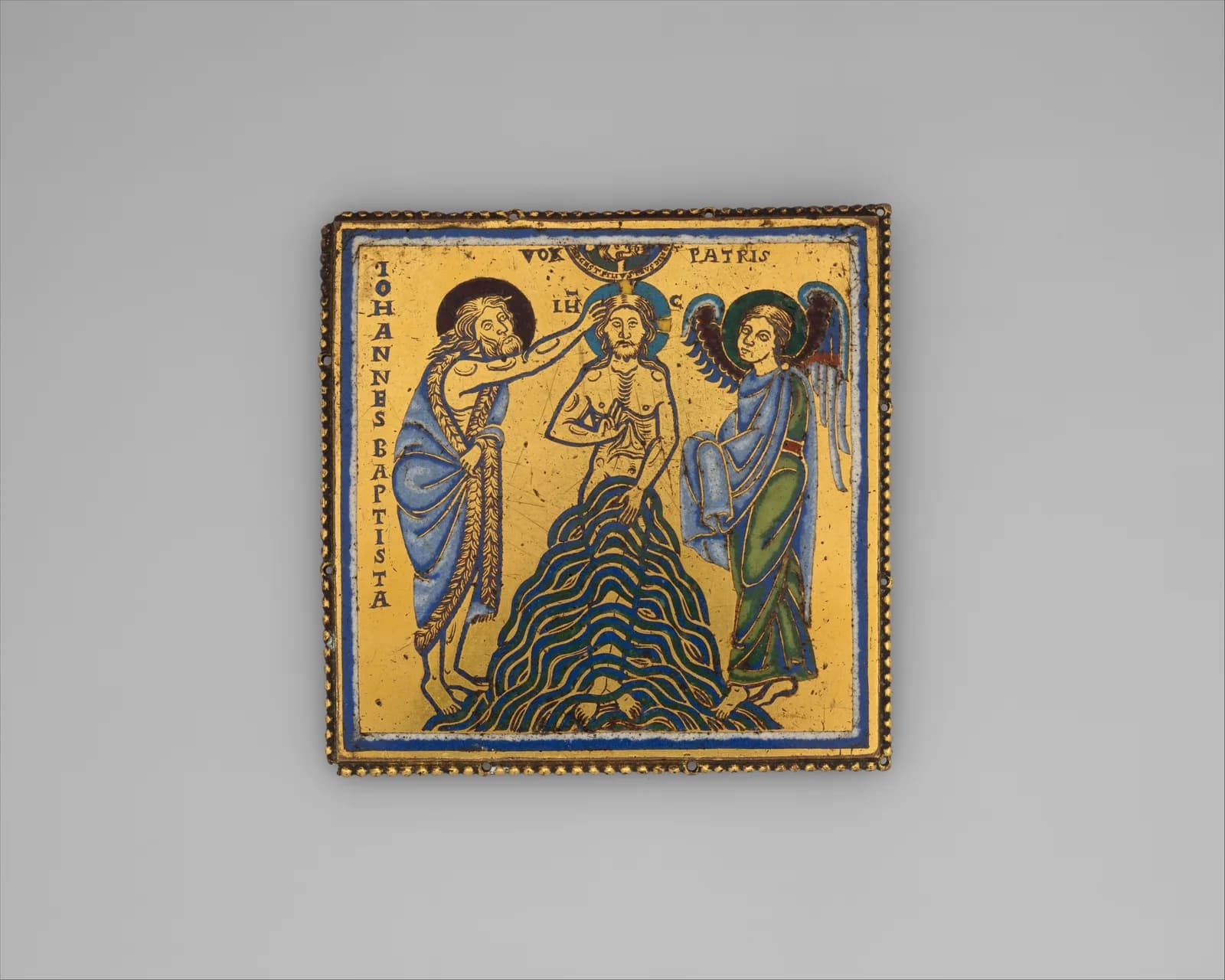
Jesus travels from Galilee to the Jordan River to be baptized by John the Baptist. John initially resists, feeling unworthy, but Jesus insists to fulfill all righteousness. After Jesus is baptized, the heavens open, the Spirit of God descends like a dove, and a voice from heaven declares Jesus as God's beloved Son.
Summary
The Baptism of Jesus is an event recorded in Matthew 3:13-17, marking the beginning of Jesus' public ministry. The passage occurs at the Jordan River, where John the Baptist is performing baptisms. Jesus arrives from Galilee specifically to be baptized by John. John is initially hesitant to baptize Jesus, recognizing Jesus' spiritual authority and expressing that he himself should be baptized by Jesus instead (3:14).
Despite John's reluctance, Jesus insists on being baptized to "fulfil all righteousness" (3:15). John consents, and Jesus is baptized. As Jesus comes up out of the water, the heavens open, and the Spirit of God descends upon Jesus like a dove (3:16). Jesus is publicly marked by the Spirit of God.
The passage concludes with a voice from heaven declaring, "This is my beloved Son, in whom I am well pleased" (3:17). This heavenly proclamation affirms Jesus' identity and mission, establishing Him as the beloved Son of God. The passage presents the baptism as a divine endorsement of Jesus, setting the tone for his ministry and confirming his role in God's plan. The passage in Matthew 3:13-17 primarily establishes the divine endorsement of Jesus as the Son of God. This moment marks the commencement of Jesus’ public ministry and emphasizes his obedience to God's will. Jesus' insistence on being baptized, despite John's initial hesitation, underlines his commitment to fulfilling divine righteousness (3:15). The subsequent divine manifestations — the opening of the heavens, the descent of the Spirit, and the heavenly voice — affirm Jesus' identity and mission (3:16-17). This passage matters because it sets a foundational tone for Jesus’ role and mission within God’s salvific plan.
Chiastic structure
ⓘMatthew 3:13
“Then cometh Jesus from Galilee to Jordan unto John, to be baptized of him.”
Matthew 3:15
“Suffer it to be so now: for thus it becometh us to fulfil all righteousness.”
Matthew 3:17
“And lo a voice from heaven, saying, This is my beloved Son, in whom I am well pleased.”
Both A and A' involve divine recognition and approval of Jesus' mission and identity.
Interpretation and theological stakes
Continue reading with a Scholar plan
Upgrade to Scholar