The Carthusians
Monastic Orders · Updated August 15, 2026
Overview
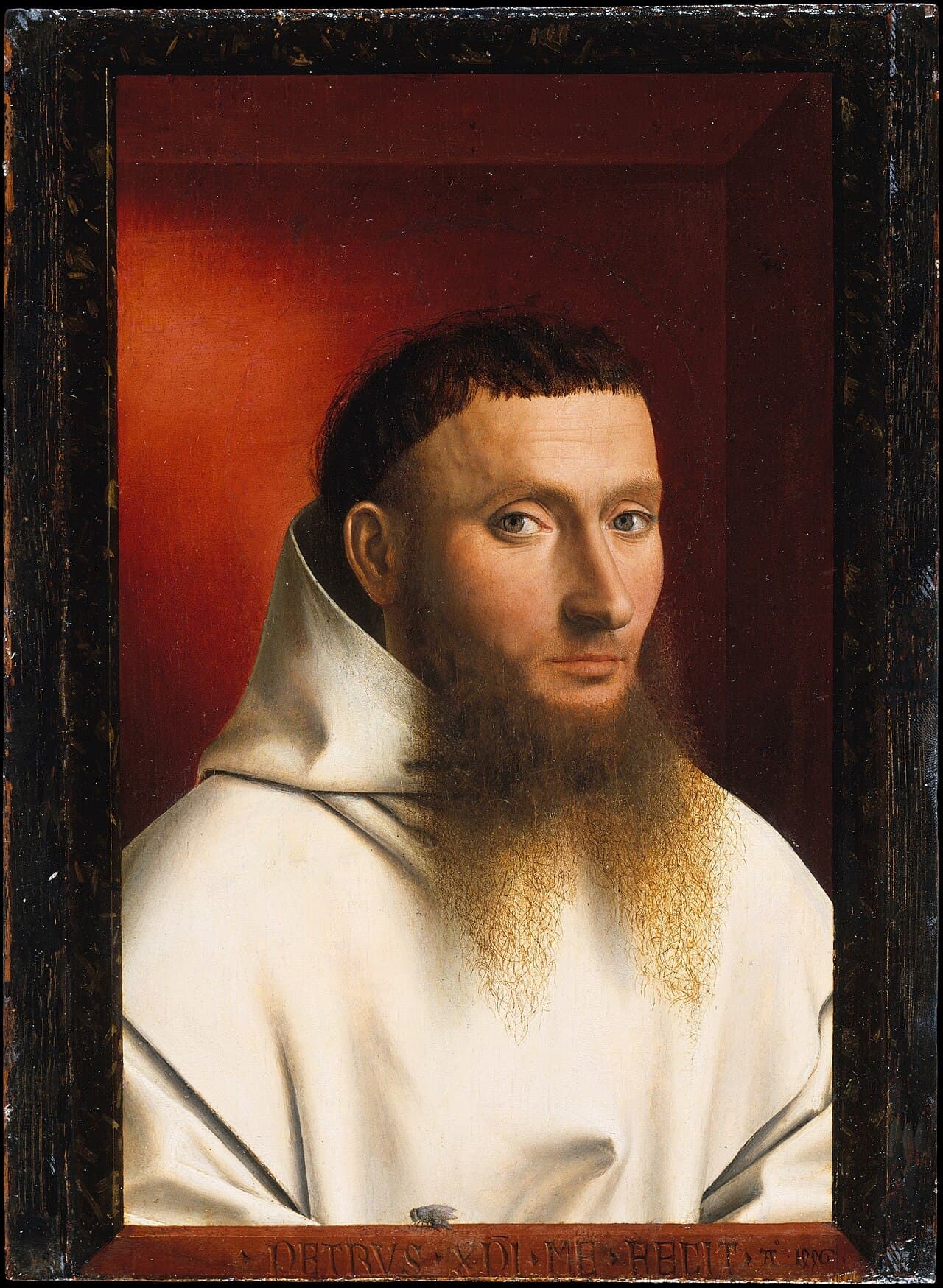
Carthusian monks have never been reformed because the order was never considered to have degenerated from its original rigor, a distinction unique among religious orders. Every other major Catholic monastic movement has faced periods of decline, scandal, or institutional decay that demanded correction. The Carthusians alone have escaped that cycle, holding to the same discipline their founder imposed in the eleventh century. Their motto captures the stance: the cross is steady while the world turns. The order was born in 1084, when Bruno of Cologne, a former chancellor of the Diocese of Reims, walked away from his political career and led six companions into a remote mountain valley near Grenoble in the Chartreuse Mountains of the French Prealps. Bruno never wrote a formal rule for the community. That task fell to Guiges I, the fifth prior of the motherhouse, who compiled the first written customs around 1127. Those customs codified a way of life so demanding that later generations saw no reason to soften it , and no need to tighten it.
The Carthusian formula pairs solitary hermit life with communal Monasticism, a design Bruno pioneered and Guiges locked into place. Each monk occupies an individual cell with a small garden and spends the bulk of his day alone in prayer and manual labor. The community gathers for liturgy and occasional meals, but silence governs the hours between. The order maintains its own distinct liturgy, the Carthusian Rite, separate from the Roman Rite used by most of the Catholic Church. Preserved with minimal change since the Middle Ages, the rite differs in structure, calendar, and ceremonial practice. The first Carthusian nunnery appeared at Prbayon in Provence in 1133, extending the order to women. In 1371, the order founded the London Charterhouse , the English word "charterhouse" derives directly from the French "Chartreuse" , which became one of its most famous houses before Henry VIII dissolved it in 1537. The monks of the Grande Chartreuse motherhouse began commercial production of Chartreuse liqueur in 1737, using a manuscript formula blending 130 secret herbs and plants. The green and yellow liqueurs gave their name to the color chartreuse.
Today, 23 charterhouses survive worldwide: 18 for monks and 5 for nuns. That number is a sharp decline from the order's peak, but the remaining houses maintain strict enclosure and silence more rigorously than nearly any other contemplative order still operating. The Grande Chartreuse distillery continues to produce the liqueur that bears its name, and only two monks at any given time know the full recipe.
Carthusian monks have never been reformed because the order was never considered to have degenerated from its original rigor, a distinction unique among religious orders.