The Cistercians
Monastic Orders · Updated August 15, 2026
Overview
The Cistercian order only survived its first decades because a 21-year-old nobleman named Bernard arrived with 30 companions in a single group, transforming a failing monastery into the most powerful reform movement in medieval Christianity. The year was 1112, and the place was a remote clearing in the marshlands of Burgundy near Dijon. A small group of monks had been struggling there for over a decade, trying to live out a radical vision of poverty and manual labor that rejected the wealth and comfort creeping into contemporary monasteries. Without Bernard, they would have vanished into the muddy soil of eastern France.
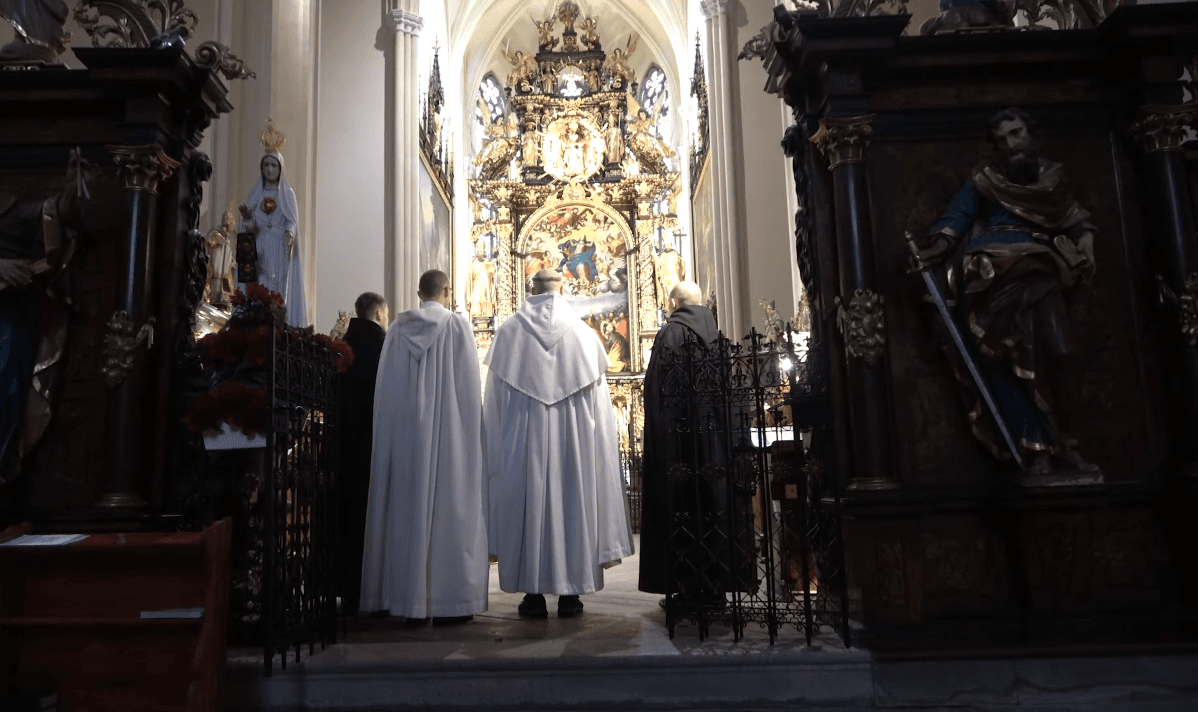
The trouble had started in 1098, when a monk named Robert of Molesme led a rebellion against his own abbey. He and a handful of followers believed the Benedictines had grown soft, abandoning the strict rules laid down by Saint Benedict centuries earlier. They established a new monastery called Cteaux to return to bare-bones Monasticism. The papacy ordered Robert back to his old post, leaving his successors Alberic and Stephen Harding to keep the fragile project alive. They wore undyed white wool instead of traditional black robes, earning them the nickname White Monks. They farmed the land with their own hands and rejected ornamentation. The austerity attracted few recruits, and the monastery was dying. Then Bernard walked through the gates. The young aristocrat brought with him thirty relatives and friends, a massive injection of manpower and aristocratic prestige that instantly secured the colony's future. Within three years, Bernard founded a daughter house at Clairvaux and became its abbot. He rewrote the order's governing constitution, advised popes, and preached the Second Crusade across Europe. His influence grew so vast that the order took on his name, becoming known in many regions as the Bernardines.
By 1200, Cistercian monasteries had spread across most of Europe through a tightly organized network of daughter houses. Each new foundation answered to its mother abbey through a system of annual inspections, a unified chain of command rare in the medieval church. The order drained swamps, cleared forests, and bred sheep on an industrial scale, turning remote wilderness into productive agricultural estates. Today, the Cistercian order still operates, with monasteries on every inhabited continent maintaining the rhythm of prayer and manual labor established nine centuries ago.
The Cistercian order only survived its first decades because a 21-year-old nobleman named Bernard arrived with 30 companions in a single group, transforming a failing monastery into the most powerful reform movement in medieval Christianity.