The Orthodox Monastics
Monastic Orders · Updated August 15, 2026
Overview
Orthodox Monasticism never developed distinct religious orders like the Benedictines or Franciscans. Every Orthodox monastery follows essentially the same monastic rule, with monks ranked by spiritual experience rather than belonging to competing organizations. This tradition took root in the Egyptian and Syrian deserts in the late third century, roughly two centuries before organized Western monasticism emerged. The unified approach spread across the Eastern Orthodox Church, Oriental Orthodoxy, the Church of the East, and some Eastern Catholic Churches, maintaining a single tradition rather than fragmenting under papal authority.
The story begins with St. Anthony the Great, who withdrew into the Egyptian desert near the Red Sea around 270 AD to live as an ascetic. His biography, written by St. Athanasius, spread monastic ideals throughout Christendom and earned him recognition as the father of Christian Monasticism. By roughly 320 AD, St. Pachomius established the first community-based monastery in Upper Egypt. In Constantinople centuries later, St. Theodore the Studite reformed the Studion monastery between 759 and 826 AD, and his rule book shaped all later Orthodox monastic practices. No single founder imposed a uniform rule across all monasteries as Benedict did in the West. The shared liturgical and disciplinary guidelines, called the Typikon, vary regionally but trace back to the Studion tradition. The Byzantine monk St. Symeon the New Theologian articulated the practice of inner stillness between 949 and 1022 AD, and in 1782 St. Nikodemos of the Holy Mountain and St. Makarios of Corinth published the Philokalia at Venice, preserving centuries of monastic spiritual teaching.
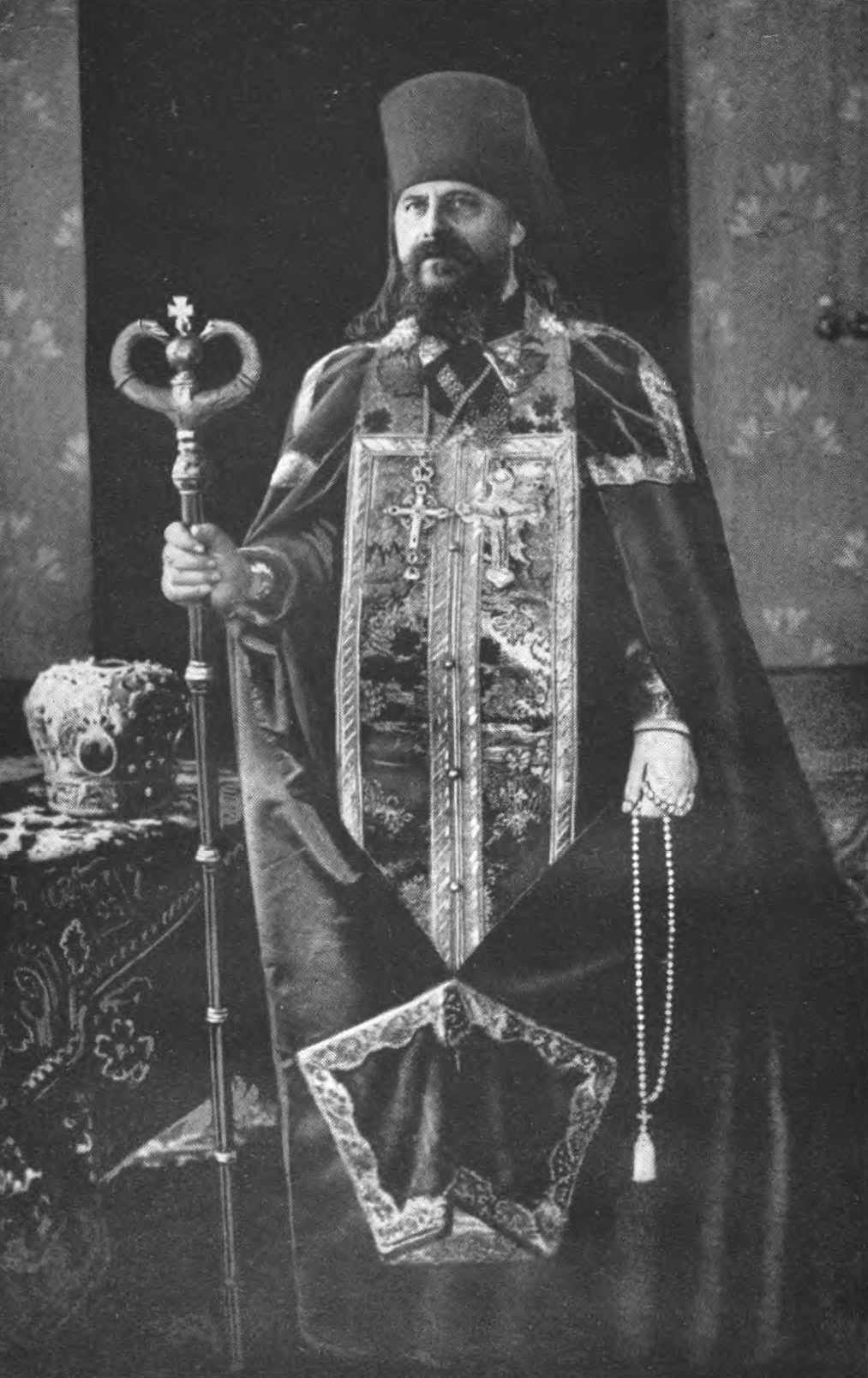
Monks in this tradition advance through three graded stages of commitment: novice, tonsured monk, and schema monk. The Great Schema is the highest grade, awarded only to monks of advanced spiritual maturity, with no equivalent ranking system in Western monasticism. Since the ninth century, Mount Athos in northern Greece has operated as a continuous monastic center and autonomous monastic republic. Twenty monasteries function under the Athonite rule book, and women have been barred from the peninsula since approximately 1045 AD by imperial decree. Most Orthodox bishops today must be tonsured monks, keeping this desert tradition at the center of church leadership.
Orthodox monasticism never developed distinct religious orders like the Benedictines or Franciscans; every Orthodox monastery follows essentially the same monastic rule, with monks simply ranked by spiritual experience rather than belonging to competing organizations.