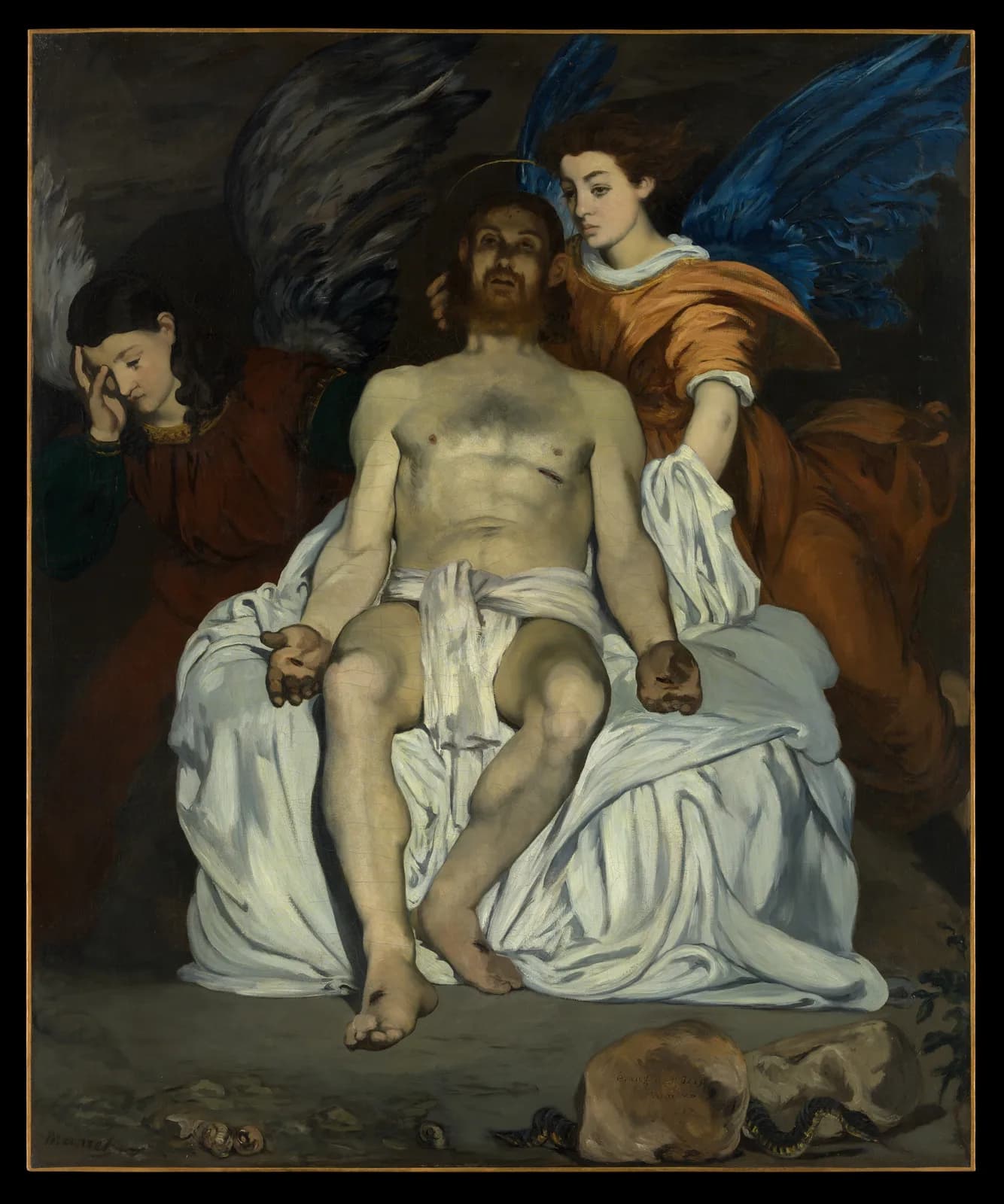
Romans 6:1-14 · Romans

Dead to Sin

In Romans 6:1-14, Paul addresses the question of whether Christians should continue sinning to increase grace. He argues that believers, having been baptized into Christ's death, are dead to sin and should live in righteousness. Paul emphasizes that sin should not dominate their lives as they are under grace, not the law.

Summary

This passage from Romans 6:1-14 is part of a letter written by the Apostle Paul to the Christian community in Rome around 57 AD. It addresses the relationship between sin and grace, focusing on how believers should live in light of their faith. The passage opens with Paul posing a rhetorical question: should believers continue to sin so that grace may increase? He immediately counters this idea, asserting that those who have died to sin should not live in it any longer (6:1-2).

Paul explains that believers who were baptized into Jesus Christ were baptized into His death (6:3). This means they are symbolically buried with Christ through baptism, so they can walk in a new life just as Christ was raised from the dead (6:4). Paul emphasizes that the "old self" was crucified with Christ to eliminate the power of sin, so believers are no longer slaves to it (6:6). He asserts that, just as Christ was raised and no longer subject to death, believers should consider themselves alive to God through Jesus Christ (6:9-11).

The passage concludes with a call to action. Paul instructs the Roman Christians not to let sin control their bodies or obey its desires (6:12). Instead, they should offer themselves to God as instruments of righteousness, living as those brought from death to life (6:13). The final verse establishes that sin will not have dominion over them because they are under grace, not law (6:14).

Chiastic structure

A

Romans 6:2-4

How shall we, that are dead to sin, live any longer therein?... we are buried with him by baptism into death...

B

Romans 6:5-11

For if we have been planted together in the likeness of his death, we shall be also of resurrection... reckon ye also yourselves to be dead indeed unto sin, but alive unto God through Jesus Christ our Lord.

A'

Romans 6:12-14

Let not sin therefore reign in your mortal body... yield yourselves unto God, as those that are alive from the dead...

A and A' both discuss the concept of being dead to sin and alive to God, emphasizing the transformation and new life in Christ.

Interpretation and theological stakes

The primary conclusion of Romans 6:1-14 is that believers in Christ are dead to sin and should no longer live under its influence. This passage asserts that through baptism, believers are united with Christ in His death and resurrection, which signifies a transformation from an old life dominated by sin to a new life of righteousness. Paul insists that this union with Christ changes the believer’s relationship with sin, emphasizing that they should consider themselves "alive to God in Christ Jesus" (6:11). The importance of moving from death to life is underscored as Paul encourages believers to resist sin and offer themselves as instruments of righteousness, indicating that the dominion of sin is broken because they are under grace, not law (6:14).

A Catholic interpretation of this passage sees baptism as a sacramental act that imparts grace and unites believers with Christ's death and resurrection. This tradition argues that baptism is not merely symbolic but an actual means of grace that transforms the believer’s spiritual state. Verses like 6:3-4, which discuss being baptized into Christ’s death and raised to walk in newness of life, are central to this view. The Catholic tradition emphasizes that through baptism, the "old self" is crucified, and the power of sin is nullified, allowing believers to live a life of holiness. This understanding focuses on the idea that baptism initiates and sustains the believer's journey of sanctification.

In contrast, a Reformed Protestant interpretation focuses on the believer's freedom from sin’s dominion and the empowerment to live under grace. This reading highlights that believers, through faith, are freed from the power of sin and can resist its temptations. Key to this view is verse 6:14, which states that sin shall not have dominion because believers are not under the law but under grace. This perspective emphasizes the transformative power of grace, which not only saves but also empowers believers to live righteously. For Reformed Protestants, baptism is a sign and seal of God’s promise, pointing to the reality of grace that enables ethical living.

Considering both interpretations, the passage underscores the profound transformation that occurs through faith in Christ. While the Catholic view focuses on the sacramental grace imparted through baptism, the Reformed perspective highlights the ongoing work of grace in a believer’s life. Together, these readings emphasize that being "dead to sin" involves both a decisive break with the past and a continuous process of living out one’s faith. The passage thus calls believers to an active engagement in righteousness, empowered by grace, which transcends mere adherence to the law or ritual.

Continue reading with a Scholar plan

Upgrade to Scholar