Matthew 20:1-16 · Matthew · Updated April 25, 2026
Workers in the Vineyard
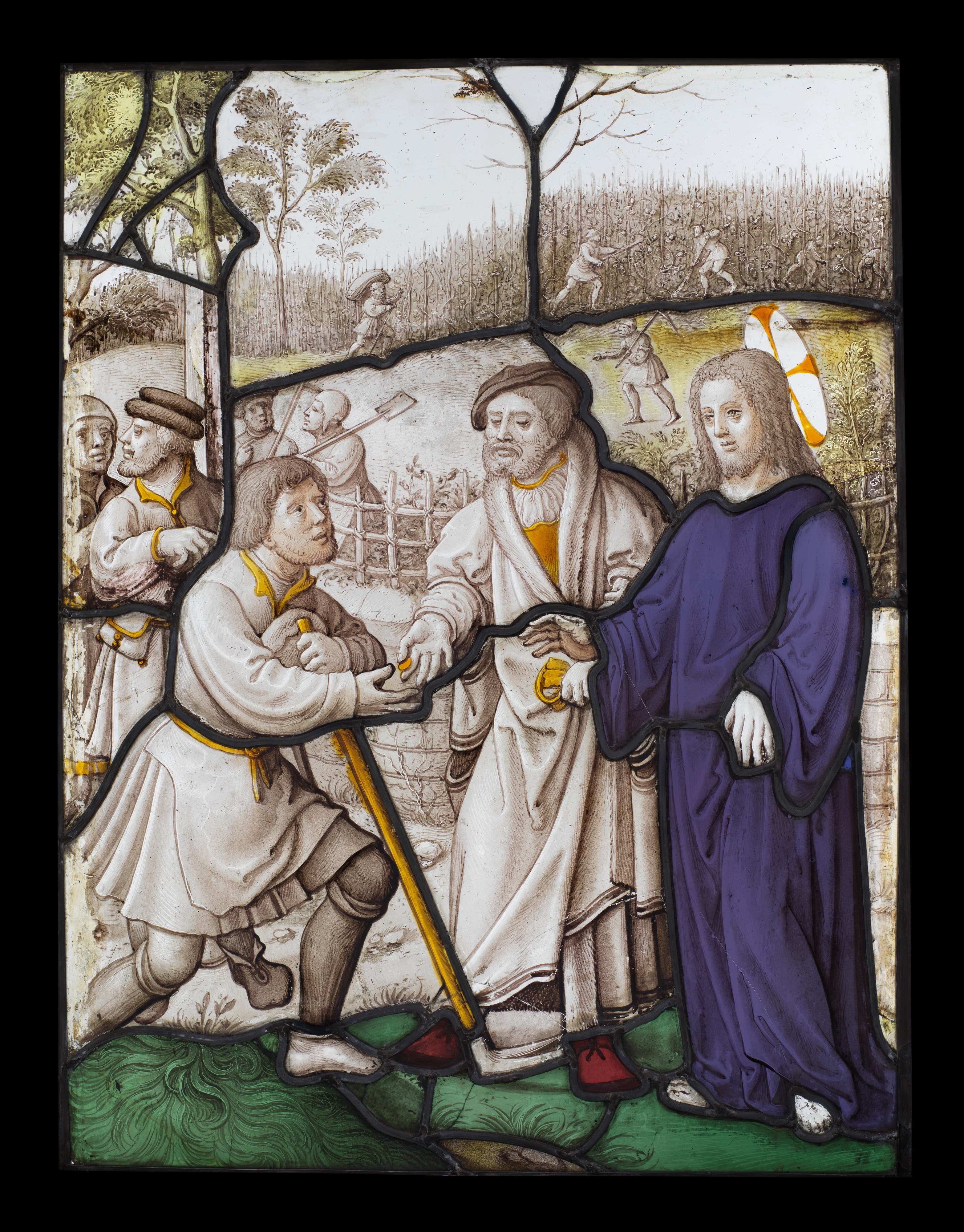
A householder hires laborers at different times throughout the day to work in his vineyard. At the end of the day, he pays all the workers the same wage, causing those hired first to complain about the fairness of their pay. The householder explains that he is not unjust, as they agreed to the wage, and he has the right to be generous with his own money.
Summary
Matthew 20:1-16 presents a parable told by Jesus to illustrate the kingdom of Heaven. Characters include a householder, laborers, and a steward, set in a vineyard in 1st century Judea. The householder hires laborers early in the morning, agreeing to pay them a penny for the day's work (20:1-2).
Throughout the day, the householder returns to hire more workers at the third, sixth, ninth, and eleventh hours, each time sending them to his vineyard with the promise of fair compensation (20:3-7). At day's end, the steward pays the workers, starting with those hired last. Each laborer receives the same wage of a penny, regardless of hours worked (20:8-9). This causes discontent among those hired first, who expected more since they worked longer (20:10-12).
The householder addresses their complaints by reminding them of their agreement and asserting his right to be generous with his money (20:13-15). The passage concludes with, "So the last shall be first, and the first last: for many be called, but few chosen" (20:16), emphasizing the unexpected nature of reward in the kingdom of Heaven. The parable of the Workers in the Vineyard in Matthew 20:1-16 primarily establishes the principle of divine generosity and the unexpected nature of God's kingdom. The text shows that reward in the kingdom of heaven does not align with human notions of fairness and merit. The householder's actions, particularly in paying all workers the same wage, despite their varying hours of labor, challenge conventional expectations of justice. The statement, "So the last shall be first, and the first last" (20:16), asserts that God's grace operates on a different plane than human transactions.
Chiastic structure
ⓘMatthew 20:1-2
“For the kingdom of heaven is like unto a man an householder... agreed with the labourers for a penny a day.”
Matthew 20:13-15
“But he answered one of them, and said, Friend, I do thee no wrong... Is thine eye evil, because I am good?”
Matthew 20:16
“So the last shall be first, and the first last: for many be called, but few chosen.”
The theme of reversal and equality: the last being first and the first being last, as well as the equal treatment of all laborers regardless of their time worked.
Interpretation and theological stakes
Continue reading with a Scholar plan
Upgrade to Scholar