Liturgy of the Hours

Prayer traditions

Overview

The Liturgy of the Hours, a daily cycle of prayers, was originally structured to be recited every three hours around the clock by monks in the early Christian church. This practice aimed to align the rhythm of prayer with the natural divisions of the day and night, ensuring that the act of worship was continuous and unbroken. This tradition has deep roots in Jewish customs, where regular, set times of prayer were observed. As Christianity began to grow and develop its own identity, these early Christian communities, particularly the monastic ones, adopted and adapted these practices to create what would become known as the Divine Office.

The establishment of this structured prayer routine took a significant leap forward in the 6th century with St. Benedict of Nursia. He wrote a series of guidelines, known as the Rule of Saint Benedict, which provided a framework for monastic life, including a detailed schedule for prayer. This rule prescribed eight specific times of prayer throughout the day, known as the canonical hours: Matins, Lauds, Prime, Terce, Sext, None, Vespers, and Compline. These prayers were carefully designed to coincide with various parts of the day, from early morning until nightfall. The Breviary, a liturgical book containing all the necessary texts for these prayers, became an essential tool for monastic communities and eventually underwent numerous revisions to meet the evolving needs of the church.

Today, the Liturgy of the Hours continues to be an integral part of Christian spiritual life, though it has been significantly reformed to be more accessible to both clergy and laypeople. The Second Vatican Council in the 1960s played a pivotal role in these changes, reducing the number of daily prayers and translating them into vernacular languages to encourage wider participation. This reform aimed to bring the ancient tradition closer to the lives of ordinary believers, allowing them to partake in this time-honored practice. As it stands now, the Liturgy of the Hours is no longer the exclusive domain of monks but a shared expression of faith across the Christian world.

The Liturgy of the Hours, a daily prayer tradition, was originally designed to be prayed every three hours, day and night, by monks in the early Christian church.

Common questions

What is the Liturgy of the Hours?
The Liturgy of the Hours is a daily cycle of prayers that was originally structured to be recited every three hours around the clock by monks in the early Christian church. It is also known as the Divine Office and is meant to sanctify the day with prayer.
How do you pray the Liturgy of the Hours?
To pray the Liturgy of the Hours, one follows a set schedule of prayers at specific times throughout the day, using texts from a liturgical book called the Breviary. The prayers include Psalms, hymns, readings, and intercessions.
What are the different hours in the Liturgy of the Hours?
The canonical hours in the Liturgy of the Hours are Matins, Lauds, Prime, Terce, Sext, None, Vespers, and Compline. These correspond to different times of the day, from early morning to nightfall.
Why is the Liturgy of the Hours important in the Catholic Church?
The Liturgy of the Hours is important because it provides a structured way to sanctify the day with prayer, aligning with the natural divisions of the day and night. It is a shared expression of faith that connects individuals to the broader Christian community.
How did the Liturgy of the Hours originate?
The Liturgy of the Hours originated from early Christian monastic practices, which were influenced by Jewish customs of regular prayer times. St. Benedict of Nursia formalized the structure in the 6th century with the Rule of Saint Benedict.
What books are needed for the Liturgy of the Hours?
The primary book needed for the Liturgy of the Hours is the Breviary, which contains all the necessary texts for the prayers. This includes Psalms, hymns, readings, and other liturgical elements.
Can laypeople pray the Liturgy of the Hours?
Yes, laypeople can pray the Liturgy of the Hours. Reforms from the Second Vatican Council made it more accessible to both clergy and laypeople by translating the prayers into vernacular languages.
What are the main components of the Liturgy of the Hours?
The main components of the Liturgy of the Hours include Psalms, hymns, readings from Scripture, and intercessions. These elements are structured to provide a rhythm of prayer throughout the day.
How is the Liturgy of the Hours structured?
The Liturgy of the Hours is structured around specific times of prayer throughout the day, known as the canonical hours. Each hour includes a set of prayers, Psalms, and readings that correspond to the time of day.
What is the difference between the Liturgy of the Hours and Mass?
The Liturgy of the Hours is a series of daily prayers meant to sanctify the day, while the Mass is the central act of worship in the Catholic Church, focusing on the Eucharist. The Liturgy of the Hours can be prayed individually or in groups, whereas the Mass is a communal celebration.
How often should the Liturgy of the Hours be prayed?
The Liturgy of the Hours is traditionally prayed at specific times throughout the day, with eight canonical hours. However, individuals may choose to pray as many or as few of these hours as they are able.
What is the significance of praying the Liturgy of the Hours daily?
Praying the Liturgy of the Hours daily helps to sanctify the entire day with prayer, creating a rhythm of worship that aligns with the natural divisions of time. It connects individuals to the broader Christian community and tradition.
What time should the Liturgy of the Hours be prayed?
The Liturgy of the Hours is traditionally prayed at specific times: Matins (during the night), Lauds (early morning), Prime (first hour of daylight), Terce (mid-morning), Sext (midday), None (mid-afternoon), Vespers (evening), and Compline (night).
How does the Liturgy of the Hours change throughout the liturgical year?
The Liturgy of the Hours changes throughout the liturgical year to reflect the seasons and feasts of the Church calendar. Specific prayers, readings, and hymns are used to correspond with these liturgical times.
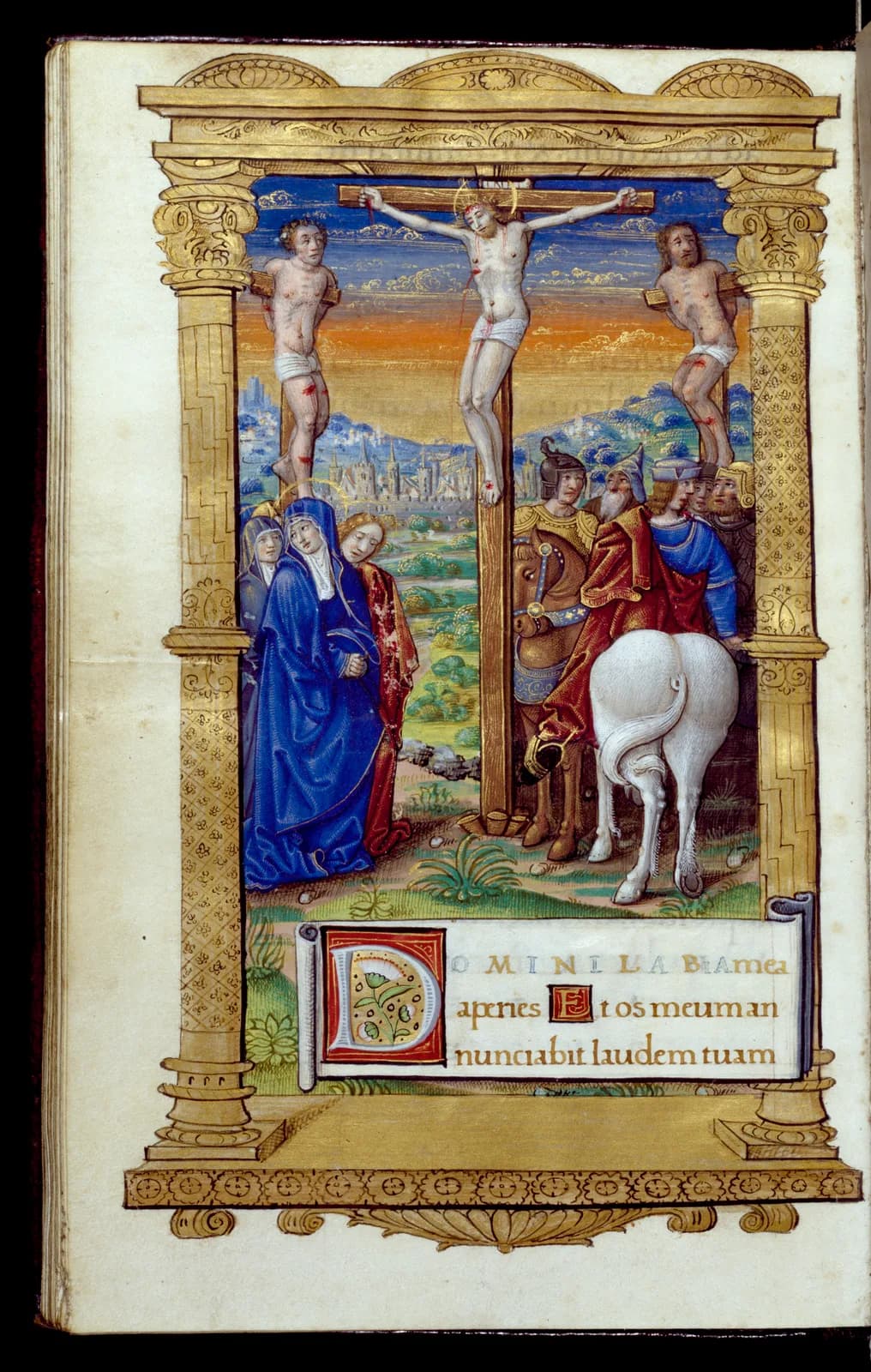
What are the Psalms in the Liturgy of the Hours?
The Psalms in the Liturgy of the Hours are a central component, providing a scriptural basis for the prayers. They are recited or chanted during each of the canonical hours, offering praise, thanksgiving, and supplication.