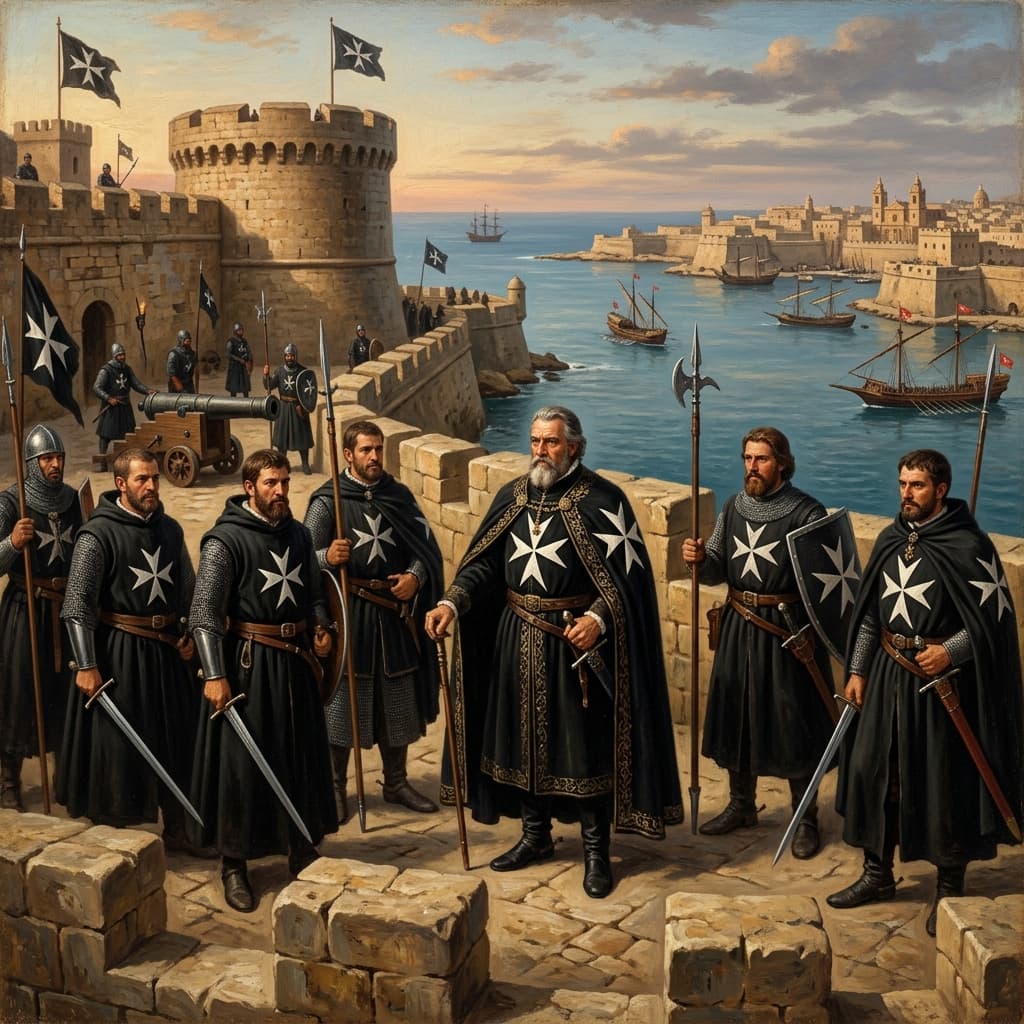
The Knights of Malta
Secret Societies · Updated August 15, 2026
Overview
In January 2017, the 79th Grand Master of the Knights of Malta resigned under direct pressure from Pope Francis, triggering a constitutional crisis inside one of the world's oldest institutions. The surface dispute involved a condom distribution program in Myanmar and the dismissal of a senior knight. The real fight ran deeper. The Order claims to be two things at once: a Catholic religious order subject to the Pope, and a sovereign state equal to any nation under international law. Those two identities sit in permanent tension. The Vatican expects obedience. The Order expects the autonomy of a government. That tension broke open when the Grand Master, Fra' Matthew Festing, attempted to fire his Grand Chancellor, Albrecht von Boeselager, over the condom scandal. Francis intervened, demanded Festing's resignation, and reinstated von Boeselager. Traditionalist knights called it an existential catastrophe. Reformers called it long overdue.
Three factions drove the confrontation. The Vatican, represented by Francis, insisted that the Order is a lay religious organization subject to Church authority and must accept papal oversight of its governance. The Vatican wanted control over a globally recognized sovereign entity that operated with diplomatic privileges Rome had never fully granted. Festing and the traditionalist knights fought back, arguing that the Order's sovereignty was inviolable and that papal interference violated centuries of established autonomy. They wanted to preserve the Order's independent identity against subordination to any external power. Von Boeselager led a reformist faction that saw the Order as desperate for modernization, financial transparency, reduced noble privilege, and governance fit for a post-aristocratic world. When Festing moved against von Boeselager, he forced the Pope to choose. Francis chose the reformers. Festing lost. The precedent was set: the Order's sovereignty bent to papal authority.
The crisis resolved nothing because the contradiction between sovereign statehood and religious obedience cannot be resolved. The Knights need sovereign status to maintain diplomatic relations with over a hundred countries and to operate globally as a humanitarian organization. They need their Catholic identity to justify their existence as a religious order under the Pope. Those two claims cancel each other out. A sovereign state does not answer to a foreign pontiff. A religious order does not issue passports. Every crisis since 1798, when Napoleon expelled the Knights from Malta, has reopened the same question: is the Order a state, a charity, a religious community, or a diplomatic fiction. The Order still holds a seat at the United Nations. It still issues its own stamps.
Why Fighting Over The Knights of Malta Was a Big Deal
In January 2017, the 79th Grand Master of the Knights of Malta resigned under direct pressure from Pope Francis, triggering a constitutional crisis inside one of the world's oldest institutions. The surface dispute involved a condom distribution program in Myanmar and the dismissal of a senior knight. The real fight ran deeper. The Order claims to be two things at once: a Catholic religious order subject to the Pope, and a sovereign state equal to any nation under international law. Those two identities sit in permanent tension. The Vatican expects obedience. The Order expects the autonomy of a government. That tension broke open when the Grand Master, Fra' Matthew Festing, attempted to fire his Grand Chancellor, Albrecht von Boeselager, over the condom scandal. Francis intervened, demanded Festing's resignation, and reinstated von Boeselager. Traditionalist knights called it an existential catastrophe. Reformers called it long overdue.
Three factions drove the confrontation. The Vatican, represented by Francis, insisted that the Order is a lay religious organization subject to Church authority and must accept papal oversight of its governance. The Vatican wanted control over a globally recognized sovereign entity that operated with diplomatic privileges Rome had never fully granted. Festing and the traditionalist knights fought back, arguing that the Order's sovereignty was inviolable and that papal interference violated centuries of established autonomy. They wanted to preserve the Order's independent identity against subordination to any external power. Von Boeselager led a reformist faction that saw the Order as desperate for modernization, financial transparency, reduced noble privilege, and governance fit for a post-aristocratic world. When Festing moved against von Boeselager, he forced the Pope to choose. Francis chose the reformers. Festing lost. The precedent was set: the Order's sovereignty bent to papal authority.
The crisis resolved nothing because the contradiction between sovereign statehood and religious obedience cannot be resolved. The Knights need sovereign status to maintain diplomatic relations with over a hundred countries and to operate globally as a humanitarian organization. They need their Catholic identity to justify their existence as a religious order under the Pope. Those two claims cancel each other out. A sovereign state does not answer to a foreign pontiff. A religious order does not issue passports. Every crisis since 1798, when Napoleon expelled the Knights from Malta, has reopened the same question: is the Order a state, a charity, a religious community, or a diplomatic fiction. The Order still holds a seat at the United Nations. It still issues its own stamps.
Continue reading with a Scholar plan
Upgrade to Scholar